Why Tofu Cat Litter Is Becoming More Popular in the Global Market
Sep. 28, 2026
Share:
Why Tofu Cat Litter Is Becoming More Popular in the Global Market is not simply a question of changing consumer taste. It reflects a deeper problem in the Petcare industry: conventional mineral litter can create dust exposure, disposal challenges, heavy transport costs, and growing pressure on brands to demonstrate environmental responsibility. When cat owners, retailers, and importers ignore these concerns, they risk higher logistics expenses, weaker product differentiation, stricter market-entry requirements, and declining customer trust. For Petcare and other professional suppliers, the transition toward premium tofu cat litter is therefore both a sustainability response and a commercial necessity.

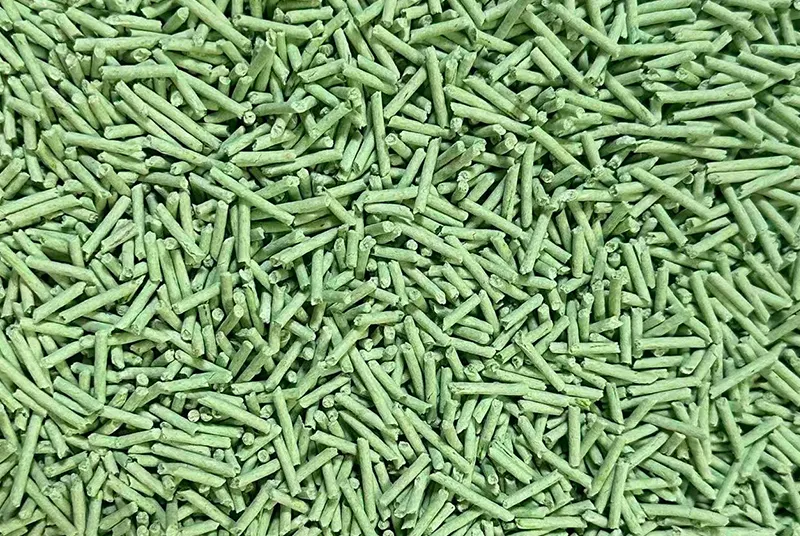
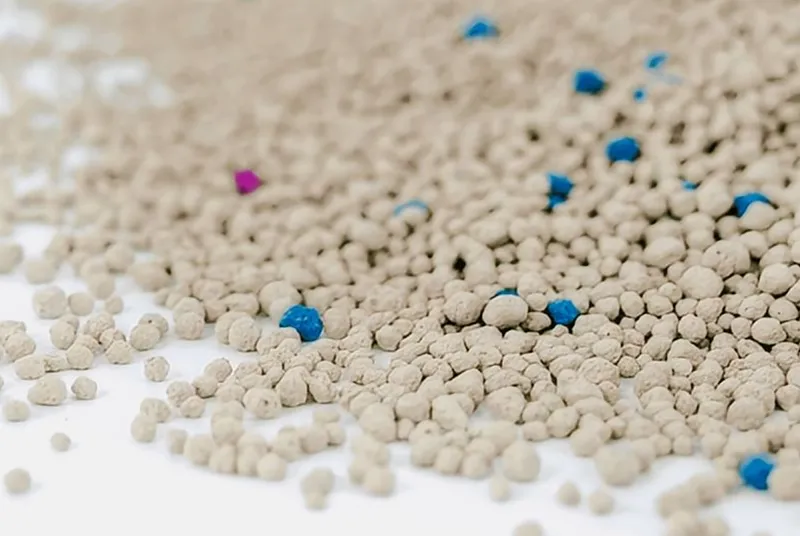
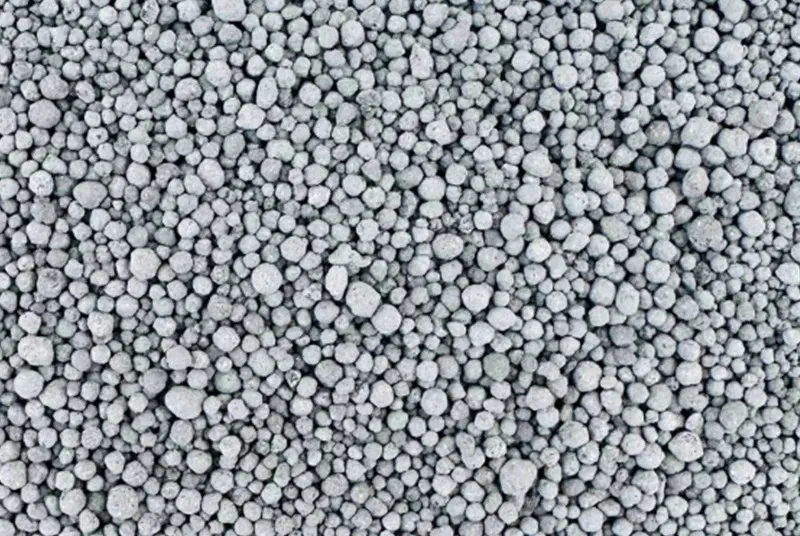
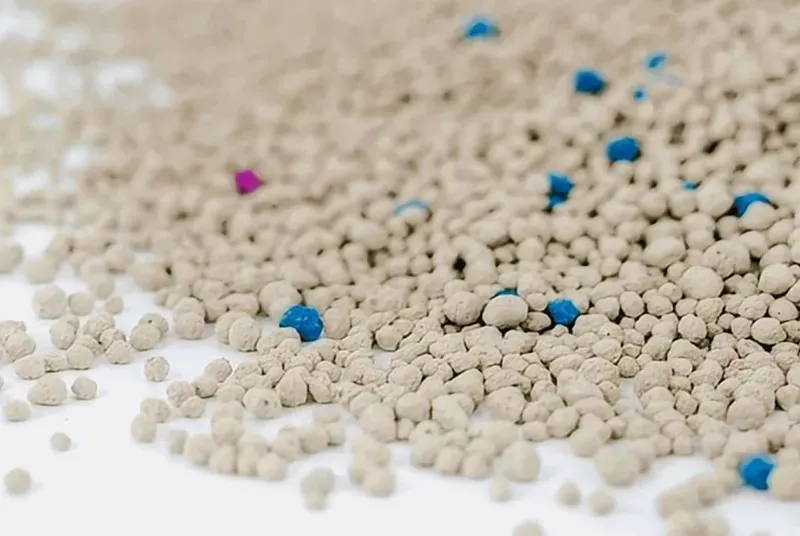
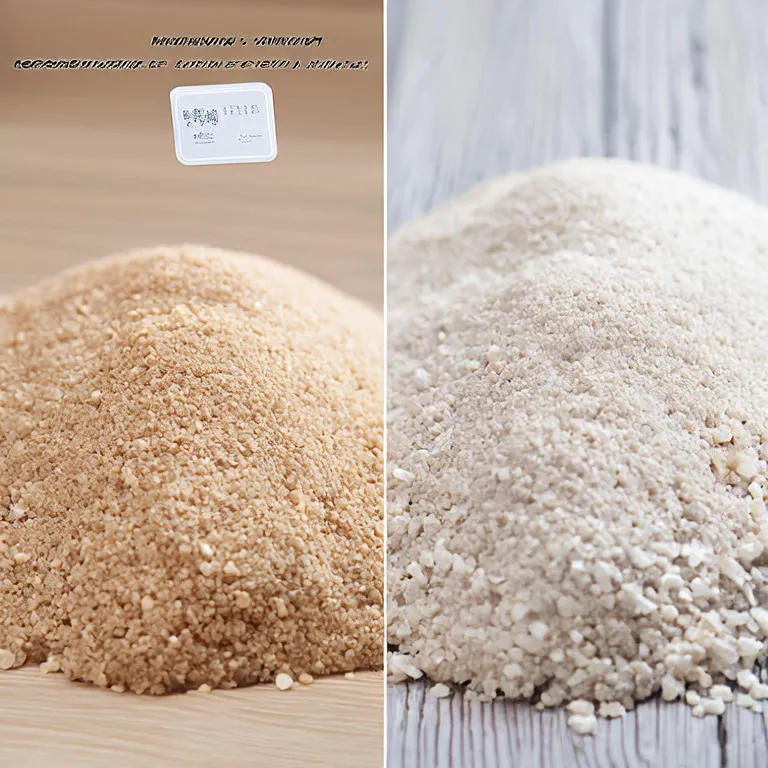
Tofu cat litter is manufactured primarily from soybean fiber, pea fiber, corn starch, or other plant-based materials. These ingredients create a lightweight, clumping substrate that addresses several limitations associated with bentonite clay and silica-based products.
The shift is being driven by four connected market forces:
For these reasons, premium tofu cat litter is moving from a niche natural product into a serious category for international distributors and private-label buyers.
Fine particles are generated during filling, scooping, and transportation. Excessive dust can create an unpleasant user experience and may increase concern about respiratory irritation. Although no cat litter should be described as completely dust-free without validated testing, a well-engineered tofu formulation can reduce visible dust through controlled granulation, screening, and appropriate packaging.
Professional buyers should request measurable dust-test results instead of relying only on phrases such as “low dust.” A useful quality program may include:
Mineral litter is heavy and generally enters the solid-waste stream. Tofu litter uses renewable agricultural by-products and is often marketed as biodegradable or compostable. However, these terms must be used carefully. Biodegradation depends on formulation, moisture, temperature, microbial activity, and local waste-management conditions.
Petcare should provide clear disposal instructions for each target market. “Flushable” claims, in particular, should not be made universally because plumbing systems, municipal rules, and wastewater treatment capacity differ by country. Responsible labeling is more trustworthy than an overly broad environmental promise.
Cat owners expect litter to control ammonia-related odor while forming a firm clump that can be removed without excessive waste. Tofu litter can support this performance through fiber structure, starch-based agglomeration, activated carbon, plant extracts, or other odor-control technologies.
Commercial buyers should evaluate:
A premium product should balance strong clumping with reasonable absorption. An excessively hard clump may increase consumption, while a weak clump can create tray residue and customer complaints.
The popularity of tofu litter is also a supply-chain story. Compared with dense mineral litter, a lightweight plant-fiber product can reduce manual handling and may improve container utilization when packaging and compression are properly designed. The actual freight advantage depends on bulk density, carton dimensions, moisture content, and loading configuration, so importers should calculate landed cost rather than compare retail prices alone.
For Petcare, the commercial opportunity is not limited to selling a bag of litter. It includes formulation engineering, packaging optimization, OEM/private-label support, export documentation, and after-sales technical service.
Tofu litter is hygroscopic, which means it can absorb moisture from the surrounding environment. Poor moisture control may cause premature clumping inside the package, reduced absorption, odor changes, or mold risk. These failures can damage an importer’s reputation even when the original purchase price was competitive.
A reliable export-quality system should include:
| Control point | Recommended evidence | Business value |
|---|---|---|
| Raw material inspection | Supplier qualification, moisture records, and contaminant screening | Reduces formulation instability |
| Granule consistency | Particle-size distribution and sieve analysis | Improves absorption and consumer perception |
| Packaging integrity | Seal-strength, leakage, drop, and transport simulation tests | Reduces claims during ocean and domestic freight |
| Finished-product inspection | 100% visual inspection or a documented ISO 2859-1 sampling plan | Improves lot consistency |
| Customer service | Technical response within 24 hours for documented complaints | Protects distributor relationships |
There is no single universal ASTM or DIN standard that defines every performance requirement for cat litter. Therefore, a trustworthy supplier should identify the exact test method used for each claim. For example, ASTM methods may be relevant to selected material or packaging tests, while ISO 2859-1 can support acceptance sampling. Environmental claims should be supported by appropriate biodegradation or compostability testing rather than by vague wording.
The wider pet economy continues to expand, giving retailers more room to segment products by health, convenience, and sustainability. The American Pet Products Association reported that U.S. pet industry expenditures reached approximately $150.6 billion in 2024. This figure does not represent tofu litter alone, but it demonstrates the scale of the consumer ecosystem in which premium petcare products compete.
At the purchasing level, many distributors now assess more than price. They compare:
Consider two importers purchasing similar-looking products. Importer A selects the lowest quotation without requesting moisture data, transport testing, or a retained sample. After arrival, the litter has absorbed humidity, several bags are swollen, and clumps break apart during use. The importer must discount the inventory and absorb negative reviews.
Importer B requests a pre-shipment sample, confirms packaging seals, checks absorption and clumping, and agrees on lot-release criteria before production. The initial purchasing process takes longer, but the importer reduces replacement costs and builds a more reliable premium product line. This example illustrates why quality assurance is a commercial tool, not merely a factory procedure.
Ignoring Why Tofu Cat Litter Is Becoming More Popular in the Global Market can create several risks for established and emerging petcare companies.
The risk is particularly serious for companies that treat sustainability as a marketing slogan rather than a measurable product characteristic. Global buyers increasingly expect documentation, traceability, and consistent production performance.
The correct comparison is total landed cost: product price, packaging, freight, customs, damage, returns, marketing, and customer service. A slightly higher-priced premium tofu cat litter may produce better margins if it has lower breakage, stronger repeat purchase, and fewer customer complaints.
Petcare can help buyers evaluate these variables through product customization, quality-control documentation, packaging development, and export coordination. The supplier relationship should be measured by consistency and responsiveness as well as by quotation price.
Why Tofu Cat Litter Is Becoming More Popular in the Global Market is ultimately explained by the convergence of sustainability, indoor comfort, convenience, and commercial differentiation. Tofu litter cannot succeed through an environmental claim alone; it must deliver reliable absorption, firm clumping, controlled dust, stable packaging, and transparent quality evidence.
For importers, retailers, and private-label brands, the time to evaluate this category is now. Work with Petcare to define specifications, verify performance, establish documented inspection procedures, and develop a premium tofu cat litter solution suited to your market. By acting before customer expectations and retail standards move further, businesses can protect margins, strengthen brand trust, and participate confidently in the next stage of global petcare growth.
Latest Blog / Insights
Hot Products


Let’s Get Started on Your Cat Litter Journey.