What Should You Consider When Buying Wholesale Cat Litter?
Sep. 22, 2026
Share:
wholesale cat litter helps pet stores, online sellers, shelters, breeders, and boarding facilities maintain a steady supply while controlling product cost. Buyers searching for bulk cat litter for pet stores must compare more than the price per bag. Absorption, clumping performance, dust, tracking, packaging, storage, and delivery all affect customer satisfaction and operating costs. This guide explains how to choose, test, order, store, and sell wholesale cat litter with fewer supply problems.

Wholesale cat litter is cat litter purchased in larger quantities, usually from a manufacturer, importer, or authorized distributor. The buyer may receive pallet pricing, case pricing, private-label packaging, or scheduled deliveries. Unlike a single retail purchase, a wholesale order must support repeated use, predictable quality, and efficient inventory management.
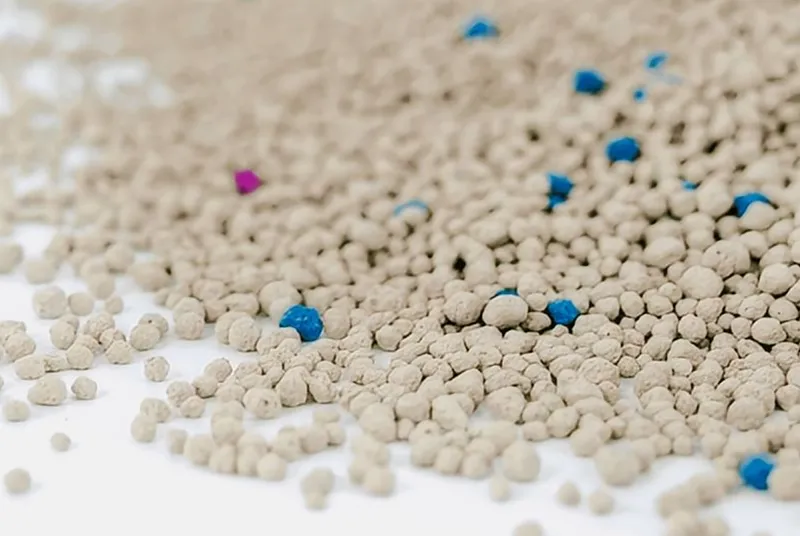
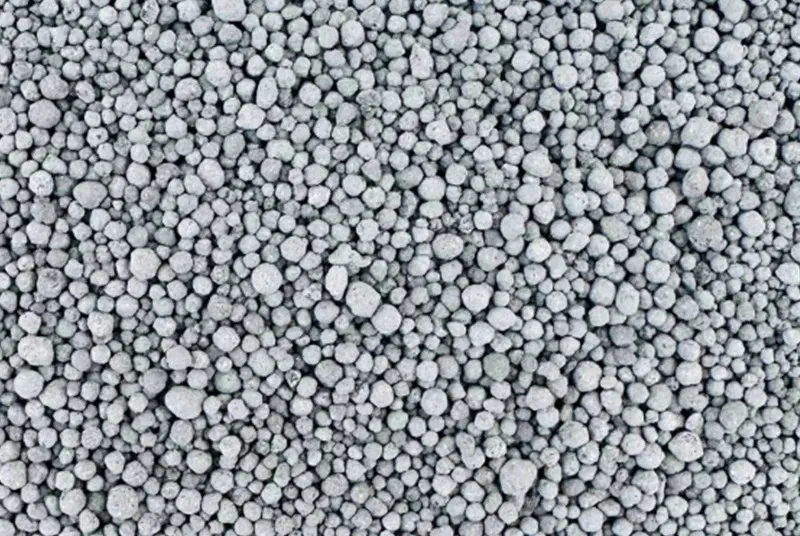
The term “cat litter” covers several material types:
Important industry terms include clumping strength, absorption capacity, tracking, dust level, particle size, odor control, and litter box compatibility. These terms describe measurable or observable product properties, not just marketing claims.
Cat litter is a repeat-purchase product. A customer may buy it every few weeks, while a shelter or boarding facility may use several bags each week. A stockout can quickly send customers to another seller. On the other hand, ordering too much can tie up cash and storage space.
Wholesale purchasing can help businesses:
The real benefit is not simply a lower invoice price. A better buying decision considers the full landed cost, including product price, freight, import fees, warehouse handling, damaged bags, storage, and customer returns.
Start by matching the material to the needs of the target customer. Clay litter is widely recognized for clumping, while wood, paper, and plant-fiber products may appeal to customers who prefer renewable or low-weight options. Silica gel can be useful for moisture management, but some cats may need time to accept the larger crystal texture.
Ask the supplier for test information covering:
Do not compare products only by bag size. A 10-kilogram product with high absorption may last longer than a larger product that requires more frequent replacement. A simple store test can compare equal weights, the same liquid volume, clump removal time, visible dust, and remaining odor after 24 hours.
Dust affects the user experience during pouring, scooping, and cleaning. It can also be a concern for cats or people with respiratory sensitivity. The U.S. Environmental Protection Agency explains that particulate matter can affect indoor and outdoor air quality, so businesses should treat dust control as a measurable product and handling issue rather than a decorative claim.
Request a clear explanation of how dust is measured. Terms such as “99% dust-free” are not useful unless the supplier identifies the test method, sample size, and testing conditions. A warehouse should also reduce dust by storing bags securely, avoiding unnecessary drops, and using ventilation during pallet handling.
Odor control may come from absorption, clumping, activated carbon, mineral additives, plant extracts, or fragrance. These functions are different. Fragrance can cover odor, while absorption and waste removal reduce the source of odor.
Offer both scented and unscented options when possible. Some cats and owners may avoid strong fragrances. The American Society for the Prevention of Cruelty to Animals recommends keeping litter boxes clean and providing suitable access, which means litter performance works together with daily box maintenance.
Strong clumps can reduce the amount of clean litter removed during scooping. Weak clumps may break apart and leave wet material at the bottom of the box. For wholesale quality checks, pour a measured amount of liquid onto a fixed amount of litter, wait the stated setting time, and test whether the clump stays intact during removal.
Retailers should record the results by batch. This creates a useful comparison between suppliers and helps identify quality changes after a formula or raw material update.
Packaging must protect the litter from moisture, tearing, and contamination. Common formats include small consumer bags, multi-bag cartons, and palletized bulk shipments. Choose the format based on customer lifting ability, shelf space, shipping cost, and expected sales speed.
A professional label should normally include:
Packaging claims should be supported by testing. Avoid claims such as “completely safe,” “zero dust,” or “environmentally harmless” unless they meet the rules of the target market and have reliable evidence.
Cat litter is heavy, so freight can change the final cost significantly. Before placing an order, calculate:
Landed cost per unit = product cost + freight + duties and taxes + handling fees + expected damage cost ÷ sellable units.
For example, if a shipment contains 1,000 sellable bags and total purchasing, freight, and handling costs equal $8,500, the landed cost is $8.50 per bag. This figure is more useful than comparing supplier prices alone.
Ask about minimum order quantity, pallet dimensions, maximum stack height, lead time, delivery appointment rules, and damaged-goods procedures. Store litter on clean, dry pallets away from leaks and strong chemicals. Use first-in, first-out inventory rotation so older stock is sold before newer stock.
Rules differ by country and may cover labeling, packaging, waste disposal, transport, chemical ingredients, and environmental claims. Request the supplier’s safety data or product information documents where applicable. If the litter contains fragrances, antimicrobial additives, or other treatment agents, verify whether the destination market has additional requirements.
For environmental positioning, use precise language. The Federal Trade Commission’s Green Guides state that environmental marketing claims should be clear, qualified, and supported by evidence. A claim such as “made with recycled paper” is more specific than a broad claim such as “eco-friendly.”
Retail stores usually need several price points and product types. A practical range may include an entry-level clay litter, a premium low-dust clumping litter, and a plant-fiber or paper option. Shelf-ready packaging and clear benefits help customers compare products quickly.
Track sales by bag size, material, fragrance, and repeat-purchase rate. If a premium product sells slowly but produces high returns, it may not be the right fit despite its higher margin.
Online sellers must account for parcel weight and dimensional shipping. Heavy bags can produce high delivery costs, so multi-pack discounts, subscription orders, and regional fulfillment may improve economics.
Product pages should show exact weight, material, texture, fragrance, dust information, package dimensions, and delivery limits. Clear information can reduce returns caused by customers ordering the wrong product type.
Shelters often prioritize dependable supply, low operating cost, and easy cleaning. They may use different litter for healthy adult cats, kittens, senior cats, and cats recovering from medical procedures.
Before switching products, test a small area first. A sudden change in texture or fragrance can affect acceptance. Shelters should also follow veterinary or animal-care guidance for cats with specific health needs.
These facilities need stable quality because many cats use the litter every day. A product that clumps consistently can shorten cleaning time and reduce waste. Bulk delivery schedules should match the number of cats, average daily usage, storage capacity, and cleaning routine.
The American Association of Feline Practitioners supports providing adequate litter-box resources. A commonly used guideline is one box per cat plus one additional box, although the correct setup depends on the home or facility. More boxes can increase total litter consumption, making accurate usage forecasting important.
Use actual consumption data instead of guessing. A basic forecast is:
Monthly demand = number of active litter boxes × average kilograms used per box each month × expected growth factor.
If a facility has 30 boxes and uses an average of 6 kilograms per box each month, its baseline demand is 180 kilograms. With a 15% safety reserve, the order target becomes 207 kilograms. The reserve should reflect supplier lead time, seasonal sales, port delays, and local delivery reliability.
Retailers can improve forecasts by reviewing:
Set a reorder point using this formula:
Reorder point = average daily sales × supplier lead time in days + safety stock.
For example, sales of 20 bags per day with a 10-day lead time require 200 bags before the next shipment arrives. If the business keeps 60 bags as safety stock, the reorder point is 260 bags.
Write down the material, bag weight, fragrance preference, clumping requirement, dust target, packaging type, target price, and delivery location. A written specification prevents suppliers from quoting different products under similar names.
Ask for samples from the actual production line, not only a showroom sample. Request product specifications, batch information, packaging details, compliance documents, production capacity, lead time, and minimum order quantity.
Use the same box size, litter depth, liquid volume, waiting time, and scoop for every sample. Record dust during pouring, clump strength, tracking outside the box, odor after use, and the amount of clean litter removed with waste.
Inspect bags for broken seals, pinholes, moisture, unclear labels, and damaged corners. Measure the percentage of damaged units in a trial shipment. Even a low damage rate can become costly when ordering several pallets.
A trial order reduces risk. Confirm whether the supplier can repeat the same color, particle size, clumping behavior, packaging quality, and delivery performance. Only increase order volume after the product passes both quality and financial checks.
A capable supplier should provide stable specifications, responsive communication, production planning, and clear quality records. This is especially important for private-label programs, where one formula may be sold under a retailer’s brand for a long period.
Useful supplier capabilities include:
Petcare can help buyers compare product types, review packaging requirements, and plan a wholesale order based on market, usage, and storage conditions. Request product specifications and a sample before committing to a large shipment.
There is no single best formula for every store. A practical assortment often includes clumping clay, low-dust premium litter, and at least one plant-based or paper option. The best choice depends on local customer demand, freight cost, shelf space, and repeat-purchase data.
Order based on average sales or facility usage, supplier lead time, and safety stock. Use the reorder-point formula instead of ordering only when shelves look empty.
Clumping litter can make urine removal more targeted, while non-clumping products may suit certain cats, kittens, facilities, or customer preferences. Compare absorption, cleaning routine, dust, price, and cat acceptance.
Choose products with a documented dust-control method, store bags securely, avoid dropping bags, improve warehouse ventilation, and pour litter slowly. Test dust during normal store or facility handling rather than relying only on the product description.
Many manufacturers offer private-label packaging, but requirements vary. Confirm minimum order quantity, artwork format, packaging material, label compliance, production lead time, and ownership of the final design.
Keep bags in a dry, clean, ventilated location on pallets. Protect them from water, direct exposure to weather, strong chemicals, and excessive stacking pressure. Rotate stock using the first-in, first-out method.
Ask about material, particle size, dust testing, absorption, clumping, additives, packaging, minimum order quantity, lead time, pallet details, damaged-goods policy, sample availability, and compliance documents for your destination market.
Begin by recording your monthly usage, customer preferences, storage capacity, target landed cost, and expected sales growth. Then create a product specification, request samples, run a controlled comparison, and place a trial order. Review the results after the first shipment before increasing volume.
For businesses seeking a wholesale clumping cat litter supplier or a dependable source of low-dust wholesale cat litter, contact Petcare to discuss material options, packaging, private-label requirements, sample testing, and delivery planning. A careful test and clear purchasing data can turn wholesale cat litter into a more reliable and profitable product line.
Latest Blog / Insights
Hot Products


Let’s Get Started on Your Cat Litter Journey.