What Is Flushable Cat Litter? A Professional Guide
Apr. 23, 2026
Share:
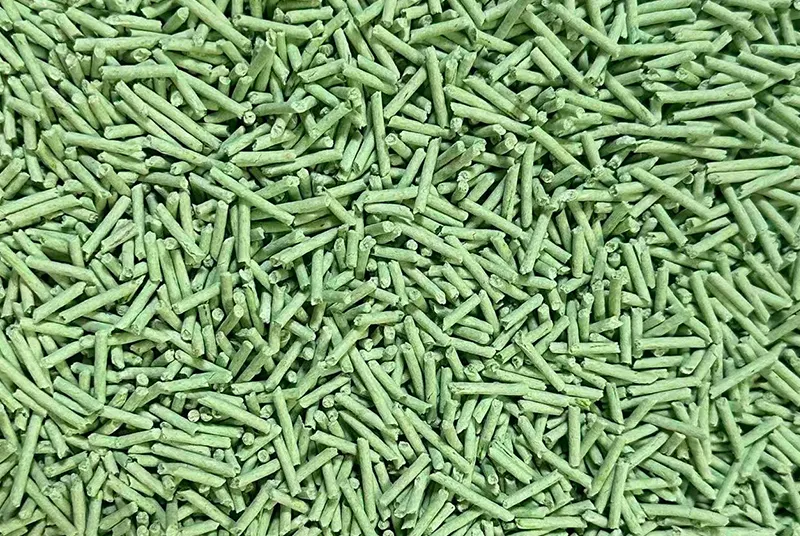
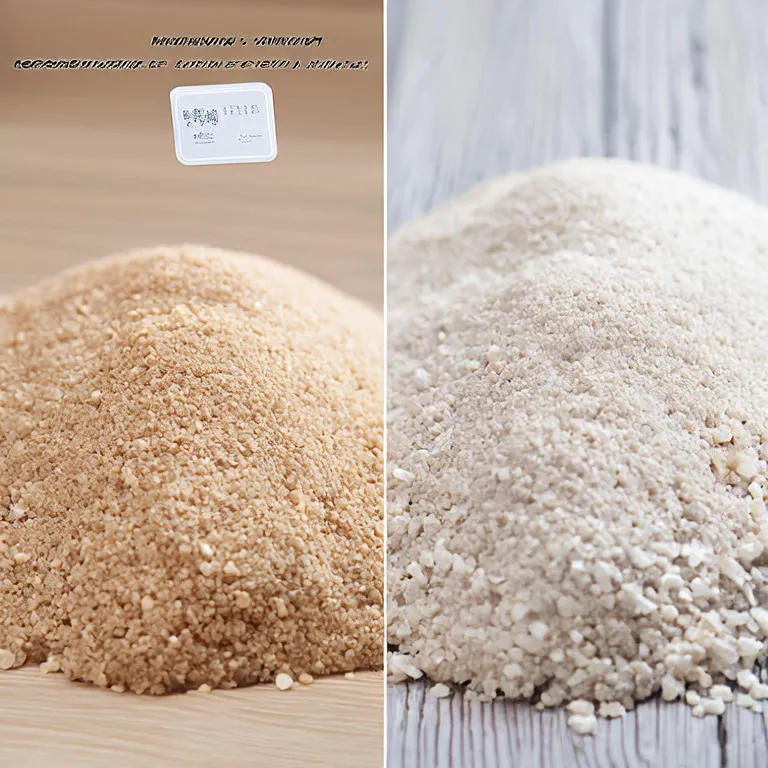
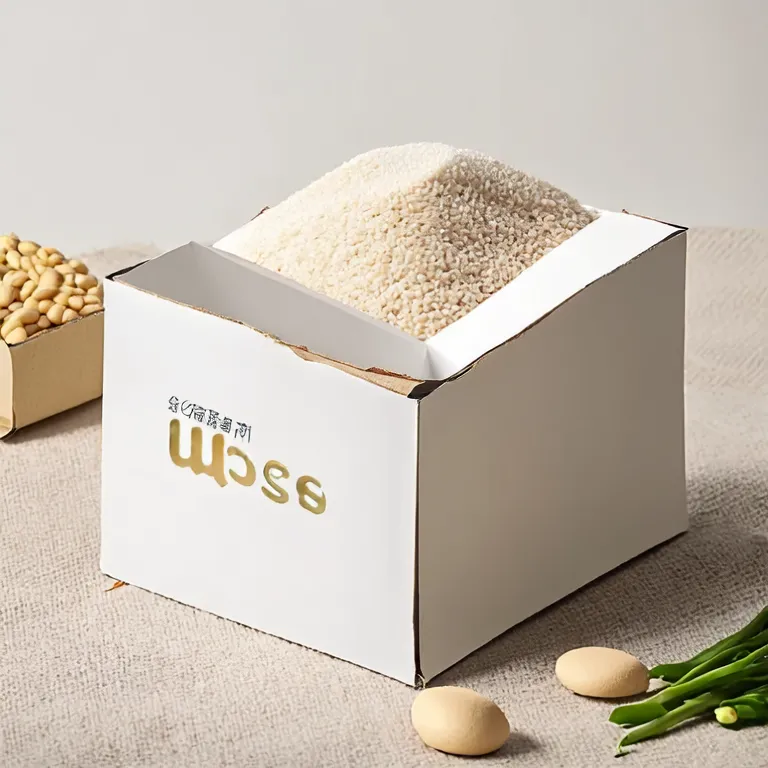
Flushable cat litter refers to a type of litter made from biodegradable, water-disintegrable materials such as corn, wheat, tofu, paper, or plant fibers. Unlike traditional clay-based litter, it is designed to break down in water rather than forming solid, cement-like clumps.
The primary goal of flushable litter is to offer a more convenient and eco-oriented disposal method, allowing small amounts of waste to be flushed in some controlled conditions.
However, it is important to understand that not all “flushable” claims guarantee full safety for plumbing systems or wastewater treatment facilities.
Flushable litter is typically produced from renewable or plant-based materials, including:
Corn starch or corn kernels
Wheat-based fibers
Tofu (soy residue)
Recycled paper pulp
Wood fibers or sawdust
These materials are selected because they are biodegradable and naturally decomposable, making them more environmentally friendly compared to mined clay products.
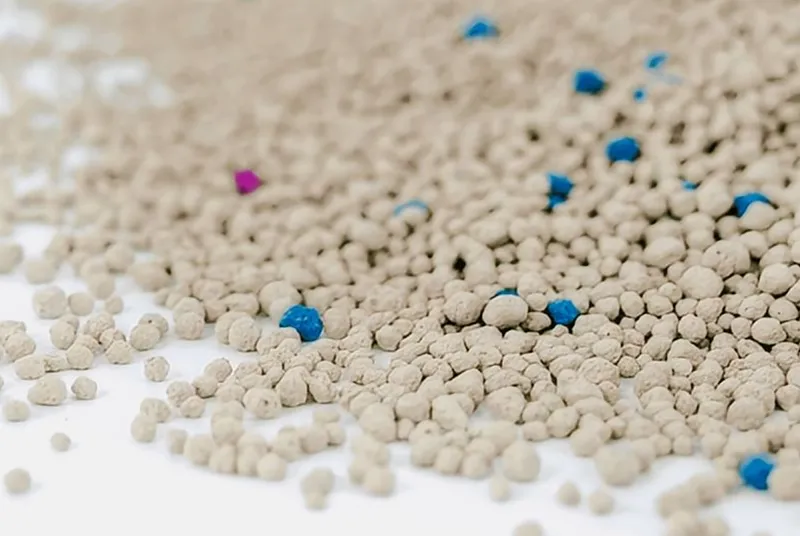
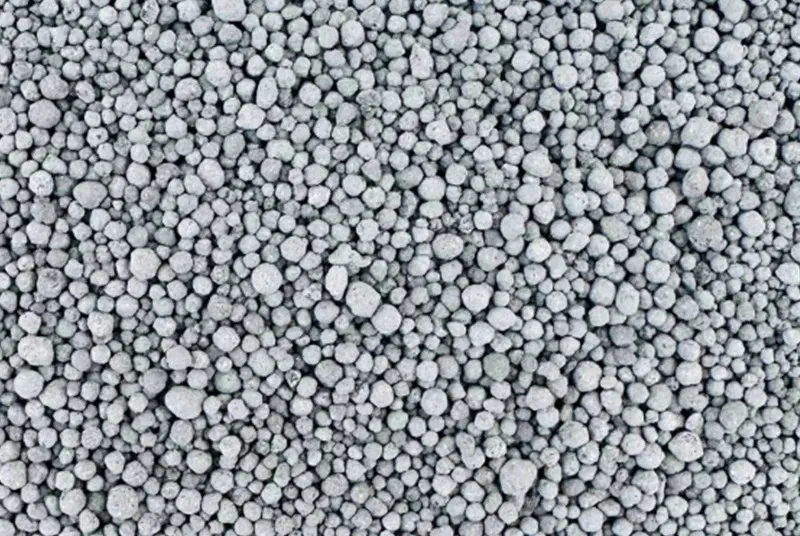
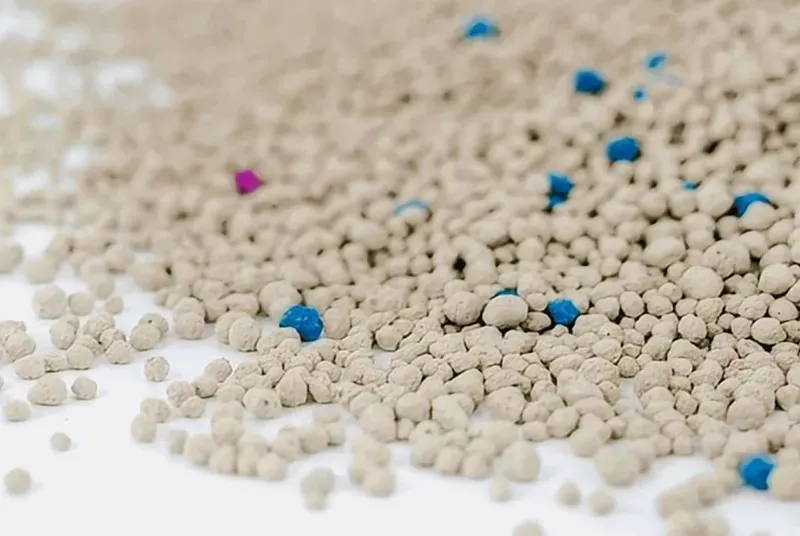
Flushable litter functions differently from bentonite or silica-based litter:
It does not harden permanently like clay litter
It is designed to break apart in water under agitation
Some formulations dissolve into small particles that can pass through drainage systems
In theory, this makes disposal easier by reducing the need for plastic waste bags and landfill disposal.
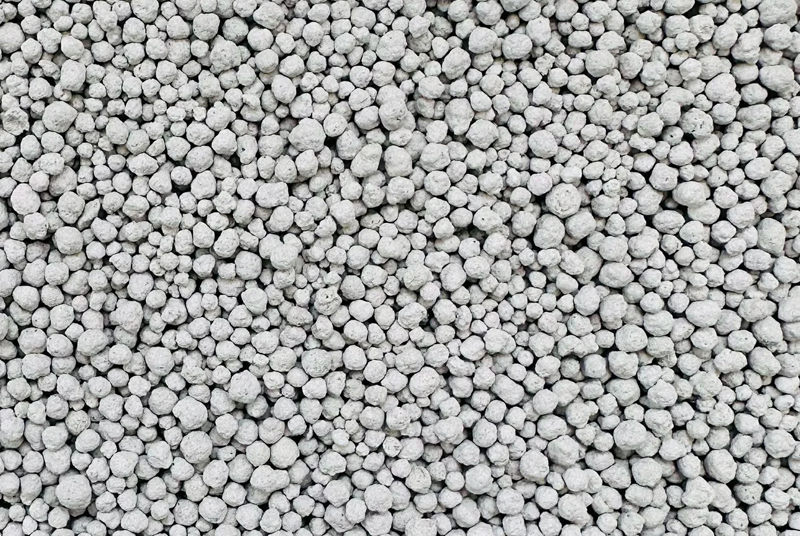
Flushable litter reduces the need for daily waste bagging, making cleanup faster and more convenient, especially for bathroom-based litter box setups.
Compared with traditional clay litter, flushable options may:
Reduce landfill waste
Use renewable raw materials
Lower mining-related environmental impact
Many flushable litters include natural odor-control agents such as baking soda or plant enzymes.
Despite its advantages, flushable cat litter has important limitations:
Even biodegradable litter can accumulate in pipes, especially in older plumbing systems, potentially leading to blockages over time.
Domestic sewage systems are not always designed to handle animal waste particles, which may create additional treatment challenges.
Cat feces may contain parasites such as Toxoplasma gondii, which can pose environmental and public health risks if improperly disposed of.
Many experts advise that even “flushable” litter should only be flushed in very small amounts—or not at all—depending on local regulations and plumbing conditions.
| Feature | Flushable Cat Litter | Bentonite Clay Litter |
|---|---|---|
| Material | Plant-based / biodegradable | Mined natural clay |
| Disposal | Sometimes flushable (limited) | Trash disposal only |
| Odor Control | Moderate to good | Strong |
| Clumping | Light to medium | Strong, fast clumping |
| Environmental Impact | Lower | Higher (mining required) |
If you choose to use flushable cat litter, follow these guidelines:
Flush only small clumps at a time (if allowed locally)
Avoid flushing in older or narrow plumbing systems
Always check manufacturer instructions carefully
Prefer trash disposal if uncertain about system compatibility
Combine with regular scooping to reduce odor buildup
Flushable cat litter represents an innovative attempt to combine convenience, biodegradability, and modern pet care needs. While it offers environmental and practical advantages, it is not universally suitable for all households due to plumbing and sanitation limitations.
For many cat owners, especially in urban environments, it may serve as a convenient alternative—but traditional litter remains the more reliable option for consistent performance and safety.
Latest Blog / Insights
Hot Products


Let’s Get Started on Your Cat Litter Journey.