The Eco-Impact of Switching to Soybean Cat Litter
Mar. 09, 2026
Share:
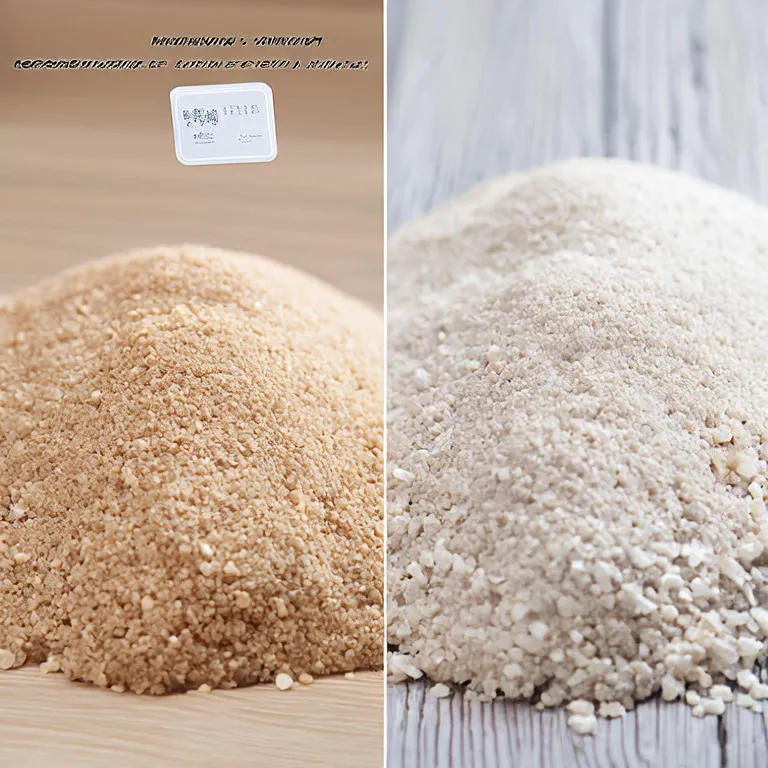
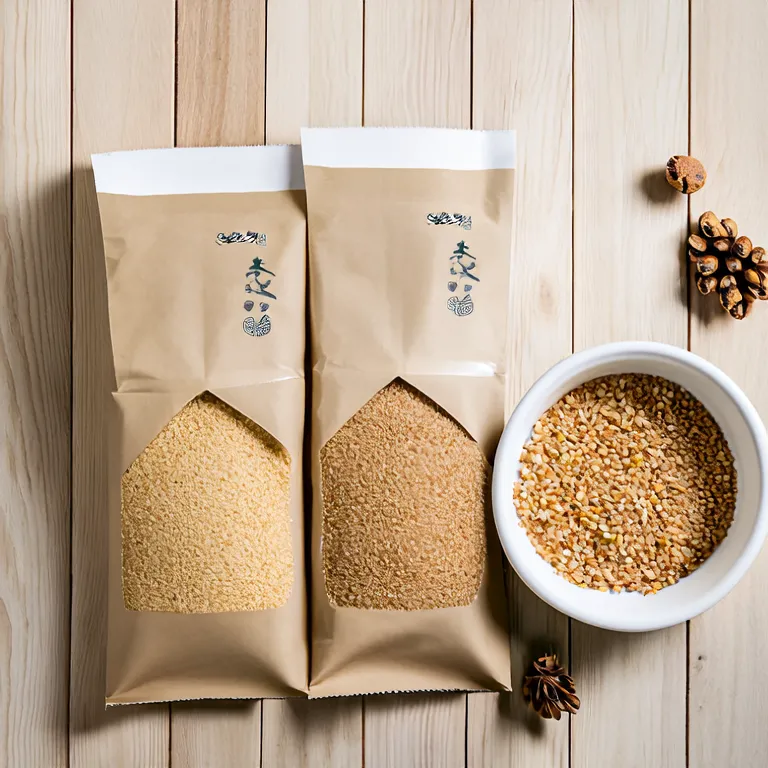
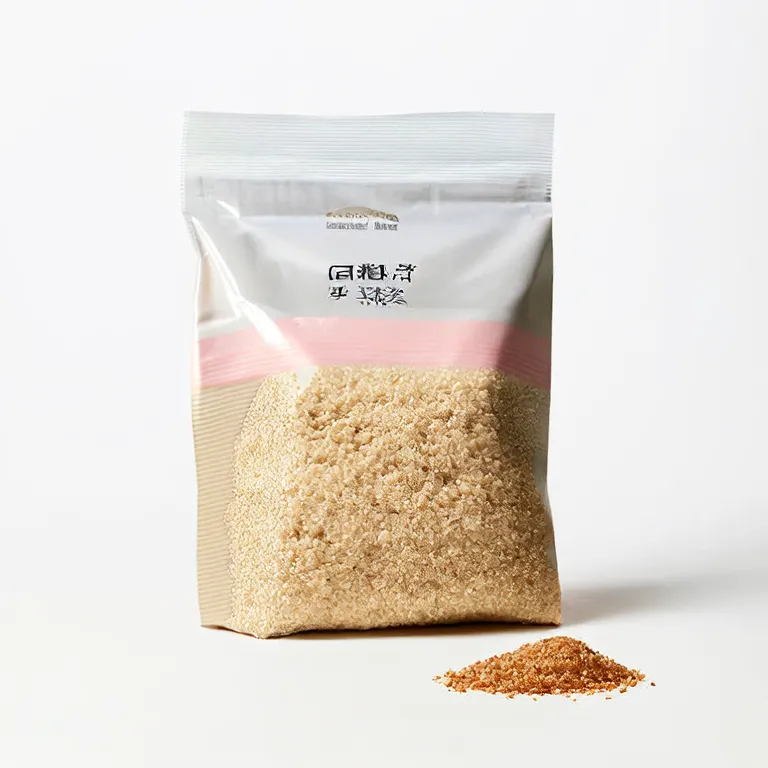
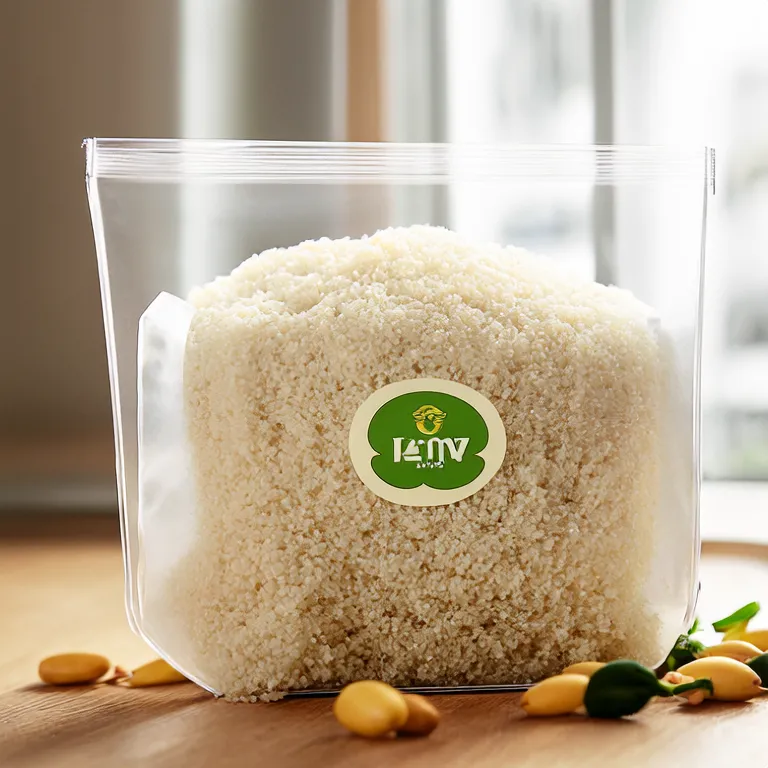
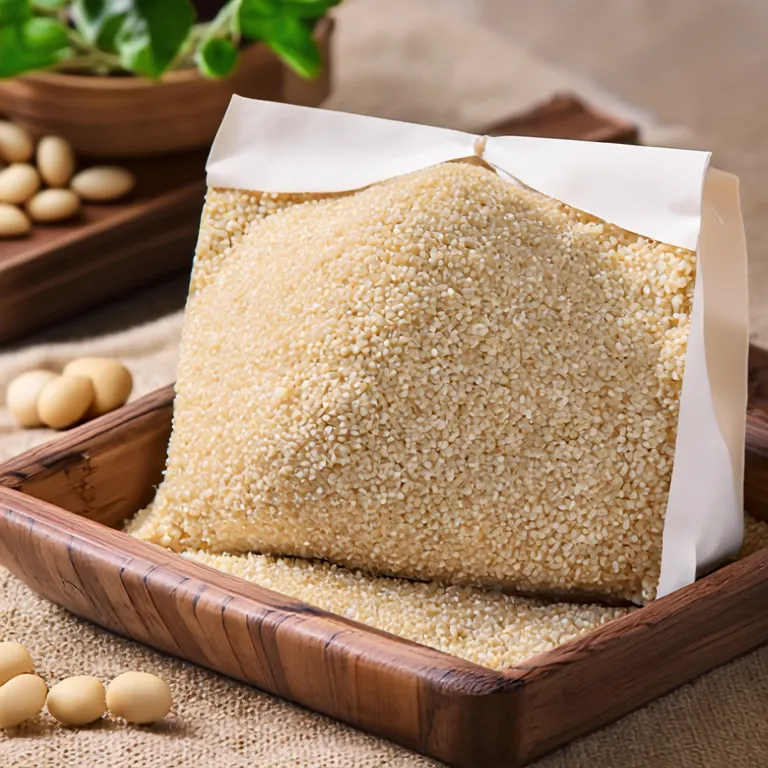
As environmental concerns rise, pet owners are seeking sustainable alternatives to traditional cat litter products. Soybean cat litter, made from natural and renewable resources, presents a viable solution to reduce environmental impact and promote sustainability in pet care. This article discusses the eco-impact of switching to soybean cat litter, highlighting its benefits over conventional products, health safety, and cost-effectiveness.
The transition to soybean cat litter offers multiple environmental advantages. Here are the primary benefits:
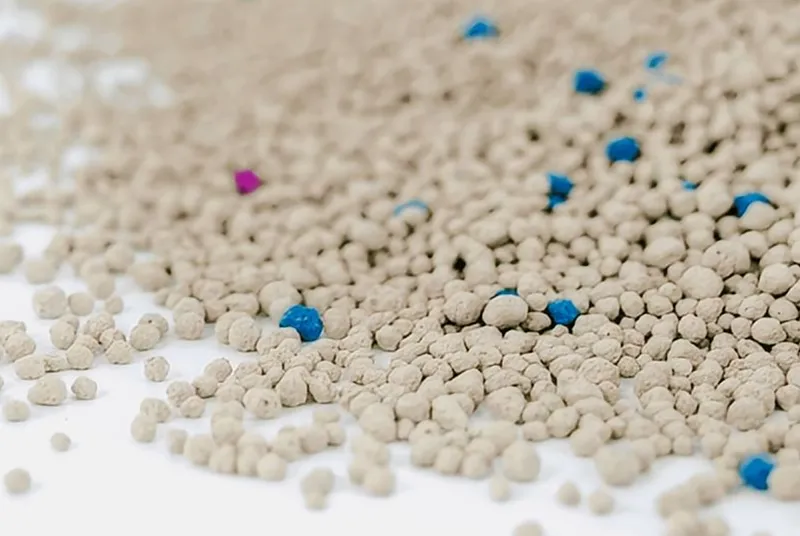
Unlike clay litters, which can take years to decompose, soybean cat litter is completely biodegradable. It breaks down naturally, enriching soil and causing no harm to ecosystems.
The production process for soybean litter produces significantly fewer greenhouse gas emissions compared to clay extraction. This reduction contributes to mitigating climate change.
Switching to soybean litter can substantially decrease the volume of waste sent to landfills, as it decomposes naturally, in contrast to traditional materials.
Soybeans are renewable resources, supporting agricultural practices and contributing to local economies.
By opting for soybean litter, consumers support farming practices that do not contribute to deforestation, mitigating loss of biodiversity.
Many pet owners are concerned about the health risks associated with traditional litters. The following aspects showcase the health benefits of soybean cat litter:
Soybean cat litter is made from natural ingredients that are safe for pets and humans alike, reducing the risk of toxic exposure.
This litter type generates minimal dust, promoting a healthier environment, especially for cats with sensitivities.
Natural soy-based formulas effectively absorb odors without the need for harmful chemicals, ensuring a fresh home environment.
By minimizing dust and using natural ingredients, soybean litter decreases the chances of respiratory problems in both cats and their owners.
Many consumers may consider price as a significant factor. Here’s how soybean cat litter ranks in terms of cost-effectiveness:
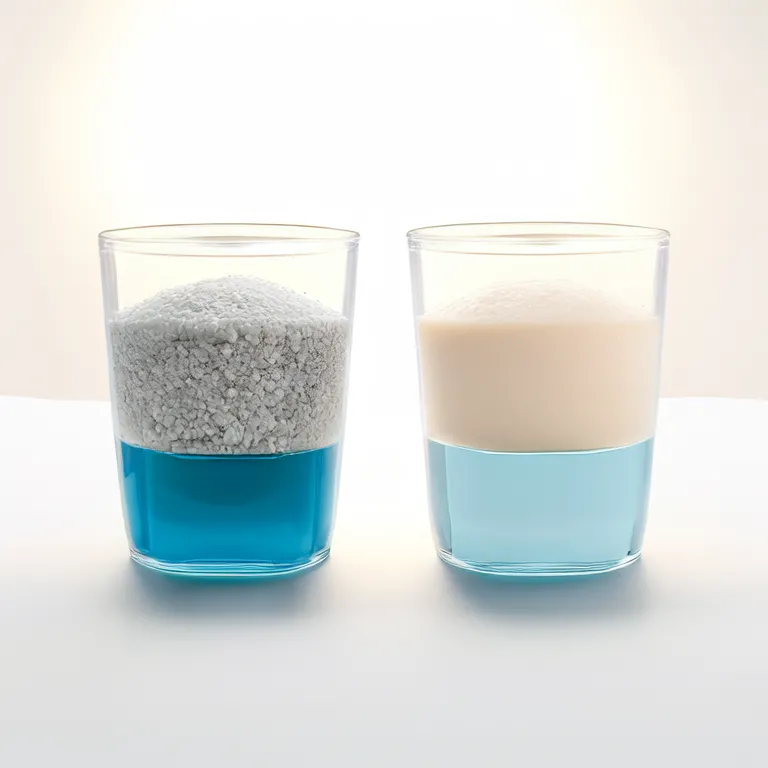
Soybean cat litter is often more absorbent than traditional litters, meaning that less is needed over time, leading to cost savings.
A concentrated formula means fewer changes of litter are necessary, saving both money and time.
By promoting better health for pets and reducing vet bills, the switch to soybean litter can save owners money in the long run.
Below is a comparison table to highlight the distinctions between soybean cat litter and traditional clay litters:
| Feature | Soybean Cat Litter | Traditional Clay Litter |
|---|---|---|
| Biodegradability | 100% Biodegradable | Non-biodegradable |
| Carbon Footprint | Low | High |
| Odor Control | Natural Absorbent | Chemical Additives |
| Health Risk | Low | Variable |
| Source | Renewable Resources | Non-renewable Resources |
In conclusion, switching to soybean cat litter presents various environmental, health, and economic advantages that make it a smart choice for pet owners. By opting for this eco-friendly alternative, consumers contribute to a healthier planet while ensuring the well-being of their pets. As a responsible pet care manufacturer, Petcare encourages users to consider the impact of their choices and make the transition towards more sustainable pet products.
Latest Blog / Insights
Hot Products


Let’s Get Started on Your Cat Litter Journey.