Soybean Cat Litter: Benefits of Natural Plant Based Cat Litter
Nov. 16, 2026
Share:
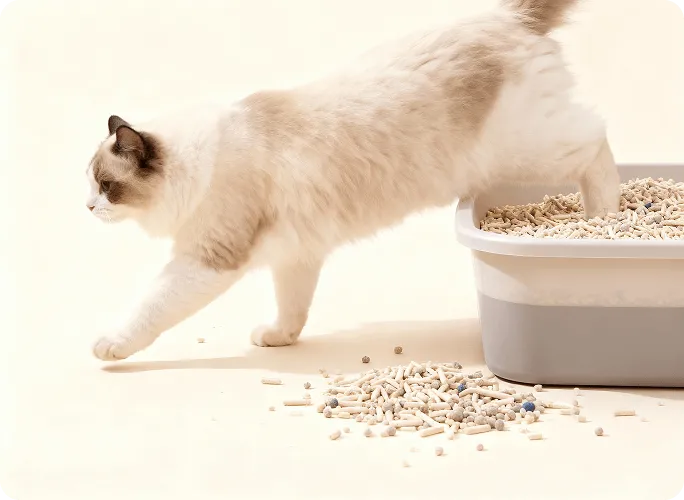
Many cat owners want a litter that controls odor, forms firm clumps, and creates less dust. soybean cat litter answers these needs with a plant based formula made from soybean fiber. It is also known as tofu cat litter, biodegradable cat litter, and natural clumping cat litter. These three related terms describe the main reasons buyers are moving away from traditional mineral litter.
For overseas distributors, the key question is simple: can soybean litter offer reliable daily performance while meeting demand for safer and more sustainable pet products? In many cases, the answer is yes. A well-made formula can provide fast clumping, lower tracking, renewable raw materials, and easier waste handling.
This guide explains the main benefits, limits, buying points, and private label opportunities for soybean cat litter. It is designed for importers, wholesalers, retailers, and pet product brands that need a clear product decision.

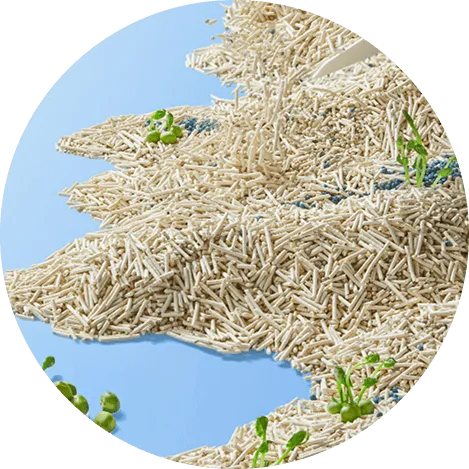
Soybean cat litter is a plant based cat litter made mainly from soybean fiber, soybean residue, or other processed plant materials. Manufacturers dry, mill, and shape the material into granules or short pellets. Some formulas also contain corn starch, guar gum, activated carbon, green tea, or natural mineral additives.
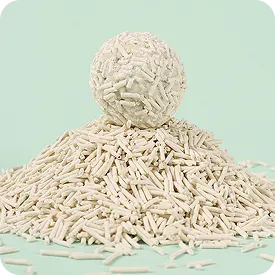
When the litter absorbs liquid, the particles bind together and create a scoopable clump. The remaining clean litter stays in the tray. This design helps reduce waste because owners can remove the used part instead of replacing the entire box every day.
Soybean fiber comes from a plant source rather than mined clay. Soybeans are widely grown and can support a more renewable raw material supply. This point is important for buyers who want to add sustainable pet care products to their product range.
Plant based material also gives distributors a clear marketing message. Terms such as natural, renewable, biodegradable, and low waste are easy for consumers to understand. However, packaging should describe the actual formula accurately. A product should not be called fully biodegradable if it contains a large amount of non-degradable material.
Good soybean litter can absorb urine quickly and form a firm clump. A firm clump is easier to remove with a scoop, so less clean litter is thrown away. This can help lower the cost per use and improve the customer experience.
Clump strength depends on particle size, moisture level, binder selection, and production control. A formula with too much fine powder may absorb quickly but create more dust. A formula with particles that are too large may take longer to bind. Buyers should request test data and samples before placing a large order.
Dust is a common concern for cats and their owners. Fine mineral particles can spread through the room when a cat digs or when a user pours litter into the tray. A properly processed soybean formula can be made with low dust through screening, drying, and controlled packaging.
Low dust does not mean dust free. Every plant based litter needs suitable handling during filling, transport, and use. Distributors should ask for a dust test method, not only a marketing statement. They should also check whether dust increases after long-distance shipping.
Soybean fiber can absorb moisture and help reduce the conditions that cause strong litter box odor. Many formulas add activated carbon, green tea, or plant extracts to improve odor performance. Unscented options are also popular because some cats and owners do not like strong perfume.
Odor control depends on more than the raw material. The result also depends on the cat's diet, the number of cats, tray size, room ventilation, and cleaning frequency. A clear product label should explain that regular scooping is still needed.
Many soybean products are lighter than traditional clay litter. Lower product weight can improve warehouse handling and may help reduce freight cost per bag, depending on the formula and packing method. This is useful for distributors importing full containers or mixed pet care products.
Lightweight litter can also be easier for customers to carry from a store or delivery point. For online retailers, package weight is an important part of the total delivery cost. The best comparison should use both product weight and number of days of use.
Many soybean cat litter formulas are biodegradable under suitable conditions. Some can break down more easily than clay litter because the main material is plant fiber. This gives brands a strong position in the natural pet product market.
Biodegradable does not always mean flushable. Local wastewater systems, municipal rules, and veterinary guidance differ by market. Cat waste may also contain parasites or pathogens. Retail packaging should provide clear disposal instructions and should not promise toilet flushing in every country.
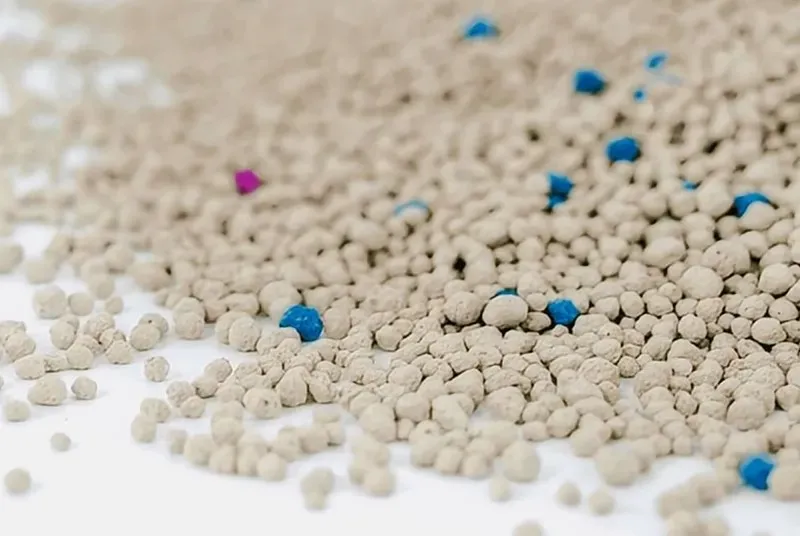
Soybean cat litter can be developed in several textures and pack sizes. Buyers may choose fine granules for a soft paw feel, larger granules for lower tracking, or a mixed formula for a balance between absorption and comfort.
Private label brands can also select different bag sizes, colors, scents, carton designs, and product claims. Petcare can help buyers evaluate formula design, packaging, and production requirements for different sales channels.
No litter type is perfect for every household. The right choice depends on odor needs, cat preference, disposal rules, price, and distribution conditions. The table below gives a practical comparison for product planning.
| Litter type | Main material | Clumping | Dust potential | Biodegradable position | Best selling point |
|---|---|---|---|---|---|
| Soybean cat litter | Plant fiber and soybean residue | Fast to strong | Low when well processed | Usually strong, formula dependent | Natural performance and light weight |
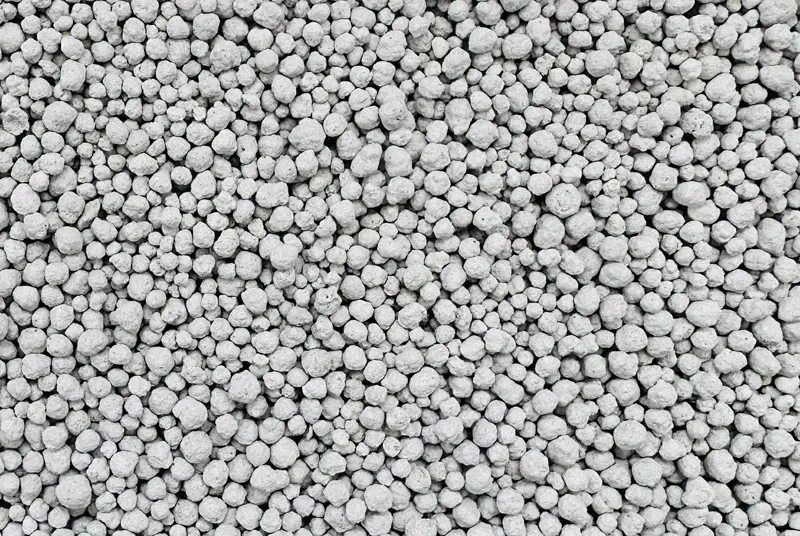
| Clay litter | Bentonite or other clay minerals | Strong in many formulas | Low to high, depending on processing | Very limited | Wide availability and familiar use |
| Silica litter | Silica gel crystals | Usually non-clumping | Often low, but crystal dust may occur | Very limited | Long use cycle and moisture control |
| Pine litter | Wood fiber or pellets | Usually weak or non-clumping | Low to medium | Generally strong | Wood based positioning |
| Paper litter | Recycled paper | Usually weak | Low | Generally strong | Soft texture and recycling message |
This comparison is a guide rather than a fixed product standard. Performance can change significantly between factories and formulas. A buyer should compare absorption, clump strength, dust, tracking, odor control, and packaging quality using the same test conditions.
The customer experience depends on a simple process. The granules first contact liquid, then absorb moisture, bind into a clump, and remain separate from the dry litter. If the clump is strong enough, the owner can remove it without breaking it into small pieces.
A starting depth of about 5 to 7 centimeters is common for clumping litter, but the best depth depends on the product and the cat. A multi-cat home may need a larger tray, more frequent scooping, or more than one box.
Small particles may stick to paws and spread across the floor. A larger granule, a low tracking formula, and a litter mat can reduce this problem. Buyers should test tracking after the litter has been used for several days, not only during the first hour.
Weak clumps may break during scooping and leave wet material in the tray. This problem can result from low absorption, poor binder balance, or scooping too quickly. A product instruction can advise users to wait for the clump to set before removal.
Some customers want fragrance, while others prefer unscented litter. Cats can also reject a product with a strong smell. A distributor may offer both versions instead of using one scent for the entire range.
Plant fiber can absorb moisture from the air. If the inner bag or outer packaging is not strong enough, the litter may lose quality during transport. Moisture-resistant packaging, sealed inner bags, and dry warehouse storage are important for overseas orders.
Some soybean litter is marketed as flushable, but this claim must be handled carefully. Local plumbing systems may not accept litter, and cat waste may create health concerns. The safest label usually tells customers to follow local disposal rules unless the product has been tested and approved for a specific market.
A successful import program requires more than a low factory price. Product consistency, packing strength, documents, and after-sales support can directly affect repeat orders.
Consumers are paying more attention to product ingredients, waste, packaging, and household air quality. Natural plant based cat litter gives retailers a way to meet these interests without removing the performance features cat owners expect.
For a distributor, the category can support several price levels. A basic soybean formula may target high-volume retail. An activated carbon product may target odor-sensitive homes. A premium unscented formula may target natural pet stores. Fine-grain and low-tracking options can serve customers with different cat preferences.
Clear education is important. Retailers should explain that plant based litter still needs daily scooping, dry storage, and responsible disposal. Honest claims build more trust than promises that cannot apply to every home or country.
Petcare focuses on soybean cat litter production for overseas buyers, distributors, and pet product brands. A strong supply program should connect formula design with the needs of the target market. The same product may need different bag sizes, labels, languages, and claims in different regions.
Petcare can support product discussions around granule size, clumping performance, odor control, packaging format, and private label presentation. Buyers can also plan a product family with original, unscented, activated carbon, green tea, or mixed plant formulas.
Before final production, buyers should approve a reference sample and define the key quality standards. These standards may include moisture, dust, absorption time, clump strength, net weight, appearance, and packaging seal quality. Written standards help both sides maintain consistent results across future orders.
A properly manufactured product made from suitable materials can be used as cat litter. Buyers should review the ingredient list, production controls, and available quality documents. Cats may need a gradual change from their current litter to a new formula.
It depends on the customer's priorities. Soybean litter is often preferred for its plant based material, lower weight, and biodegradable positioning. Clay may offer a familiar texture and strong clumping at a lower retail price. Product quality is more important than the material name alone.
It can help control odor by absorbing moisture and trapping used material in clumps. Activated carbon or other odor control ingredients may improve performance. Daily scooping and regular tray cleaning remain necessary.
Do not assume that every soybean litter is flushable. Check the product instructions and local regulations. In many areas, bagging used litter and placing it in general waste is the safer choice.
Use time depends on bag size, number of cats, tray size, litter depth, and cleaning habits. A single-cat home may use less than a multi-cat home. Retailers should avoid promising one fixed number of days unless the test conditions are clearly stated.
Soybean cat litter combines plant based material with practical features such as clumping, moisture absorption, odor control, low dust potential, and lighter transport weight. It can help distributors meet demand for natural and biodegradable pet care products while offering several options for private label growth.
The best product is not simply the one with the most natural claim. It is the one that delivers stable performance from factory to customer. Compare samples, confirm test results, protect the product from moisture, and provide honest disposal instructions. With the right formula and quality controls, soybean cat litter can become a strong part of a modern cat litter range.
Latest Blog / Insights
Hot Products


Let’s Get Started on Your Cat Litter Journey.