Pros and Cons of Different Cat Litter Types
Jul. 03, 2026
Share:
Choosing the right cat litter is essential for both feline comfort and homeowner convenience. With a multitude of types and brands available, pet owners often face pain points such as odors, tracking, and clumping efficiency. For instance, imagine returning home to an overwhelming litter box smell because of poor absorption, which can deter both cat and owner alike. In this article, we will evaluate various cat litter types, including clumping clay, crystal, and biodegradable options, to help you find the ideal solution for a clean, odor-free home.
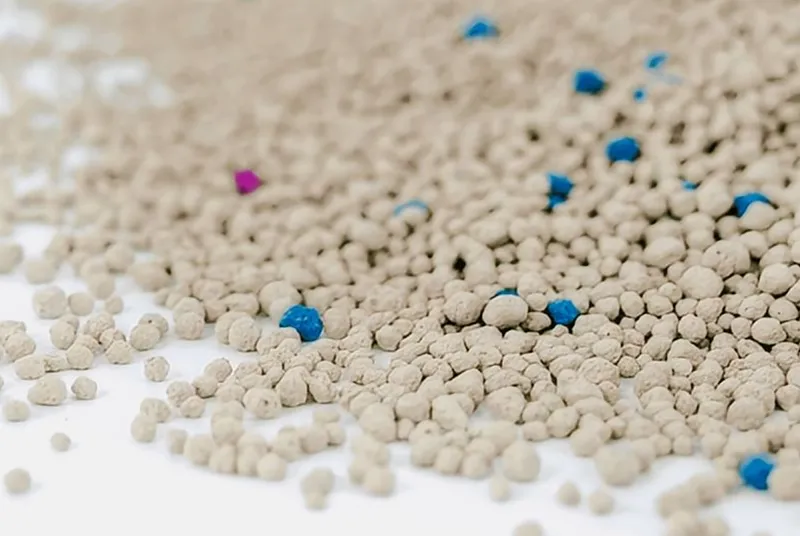
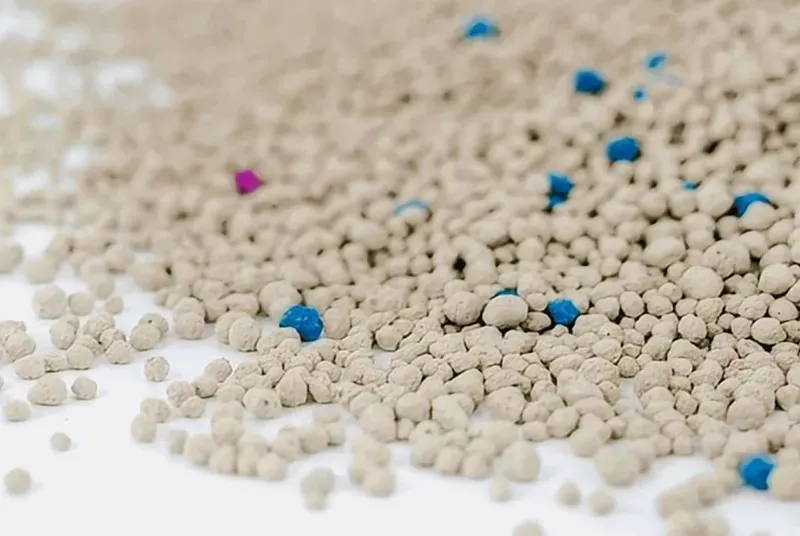
Clumping clay litter is widely regarded for its superior performance in odor control and easy cleaning. The clumping mechanism, typically composed of sodium bentonite, enables the litter to absorb moisture efficiently. Studies have shown that clumping clay can absorb up to 40% of its weight in moisture, helping to minimize unpleasant odors. Brands like Petcare have engineered their clumping clay to form solid clumps that can be easily scooped out, resulting in cleaner litter boxes. Additionally, the lifespan of this litter can be up to 30 days, depending on your cat’s usage, thus making it a cost-effective option for many households.
While clumping clay litter offers numerous benefits, there are downsides that need to be considered. The dust generated during use can be a respiratory irritant for both cats and humans, particularly for sensitive individuals. Furthermore, the environmental impact of clay extraction is significant; reports indicate that the process contributes to habitat destruction and pollution. Pet owners should weigh these factors seriously, especially if sustainability is a priority.
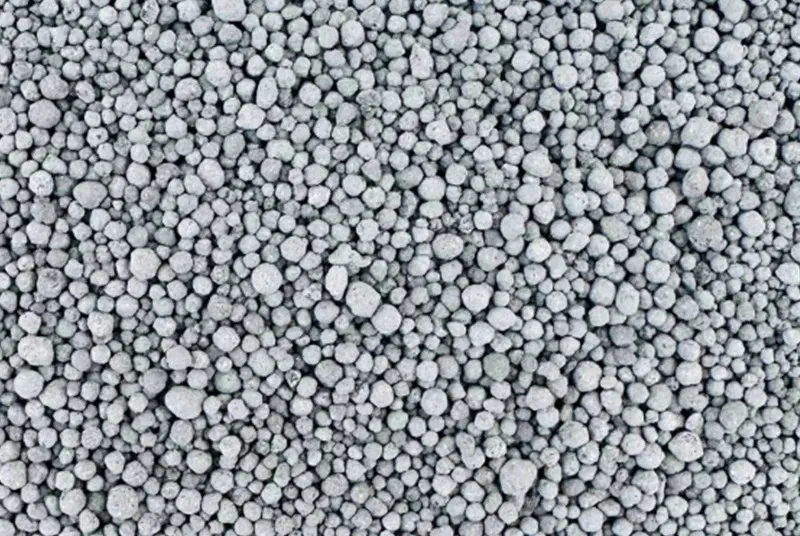
Crystal cat litter, composed of larger silica crystals, offers a unique set of benefits. One major advantage is its ability to absorb moisture without clumping, helping to prevent the development of odors. Studies indicate that crystal litter can reduce odors by up to 50% compared to traditional clumping options. Additionally, a single bag of crystal litter can last up to 30 days for one cat, providing pet owners with lower maintenance demands. Crystal litters, like those from Petcare, are also lightweight and easier to handle when pouring or changing.
However, crystal litter is not without its challenges. Many cats find the texture less appealing compared to softer materials, which can deter them from using the litter box. Moreover, while the litter does absorb moisture, it may require more frequent complete changes than clumping litters. Pet owners should also take care, as the fine particles can be treaded around the home, leading to tracking issues similar to clay litter.
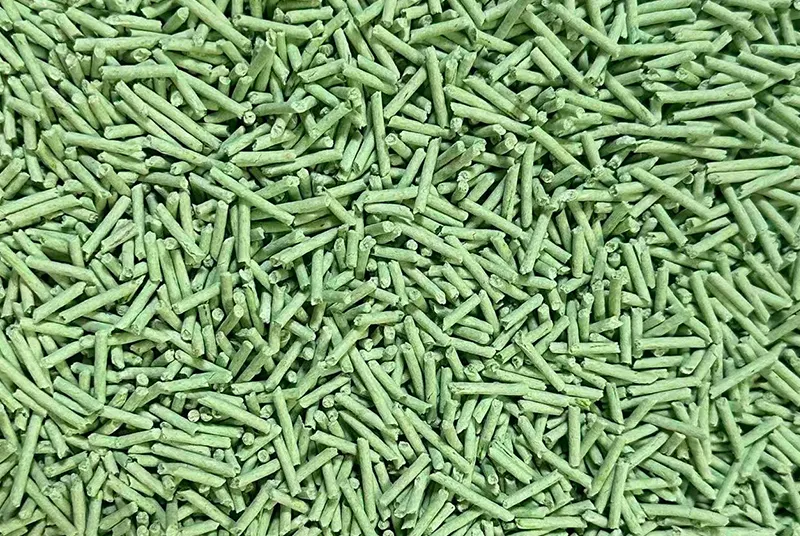
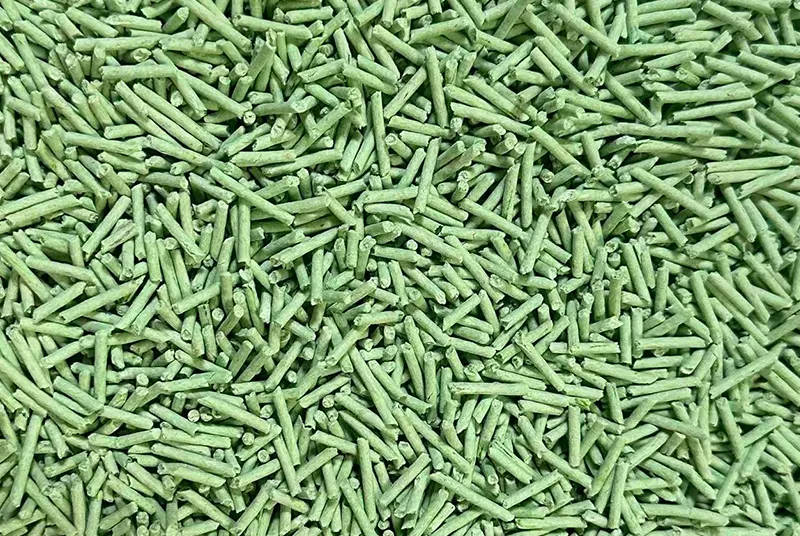
Biodegradable cat litters, derived from materials such as corn, wheat, or recycled paper, are emerging as popular alternatives for eco-conscious pet owners. These litters typically break down naturally, reducing landfill waste compared to traditional clay litters. A 2020 study revealed that some plant-based litters can decompose within 60-90 days in compost conditions, illustrating their eco-friendly nature. Further, many biodegradable options are dust-free and hypoallergenic, making them an excellent choice for households with pets that have sensitivities.
Despite their benefits, biodegradable litters often come with trade-offs. These materials can be less absorbent than clay or crystal litters, sometimes necessitating more frequent litter box cleaning. Additionally, durability can be an issue; some biodegradable options may not clump as well or may break down too quickly in humid environments, leading to less efficient odor control. When choosing biodegradable litter, it’s essential to consider your cat\'s preferences and your cleaning habits to ensure a positive experience.
Ultimately, the "best" cat litter type depends on user preferences and specific circumstances. For pet owners prioritizing odor control and ease of maintenance, clumping clay remains a top choice. Crystal litter is great for those wanting low dust and long-lasting performance but may require additional attention to cat compatibility. On the other hand, biodegradable options are excellent for eco-conscious consumers, albeit at a potential cost of convenience.
For those looking for a quick and efficient solution to litter box maintenance, clumping clay litter is highly recommended. If you favor sustainability and plant-based products, biodegradable litter can align with your values. Finally, if you\'re after something that reduces tracking and dust, crystal litter may be the ideal choice. Overall, assessing your cat\'s behavior and your lifestyle will guide you in making the best selection.
Clumping clay litter is widely recognized for its superior odor control capabilities, often absorbing odors significantly better than other types.
Yes, many biodegradable litters can be composted, but you should check the specific product guidelines to ensure it\'s suitable for your compost bin.
It is recommended to clean the litter box at least once a week and replace all the litter every 2 to 3 weeks, though this can vary depending on the type of litter and how many cats use the box.
For more information about different types of cat litter and their uses, visit Petcare\'s website.
Latest Blog / Insights
Hot Products


Let’s Get Started on Your Cat Litter Journey.