Premium Bentonite Cat Litter: What Makes It Different?
Nov. 04, 2026
Share:
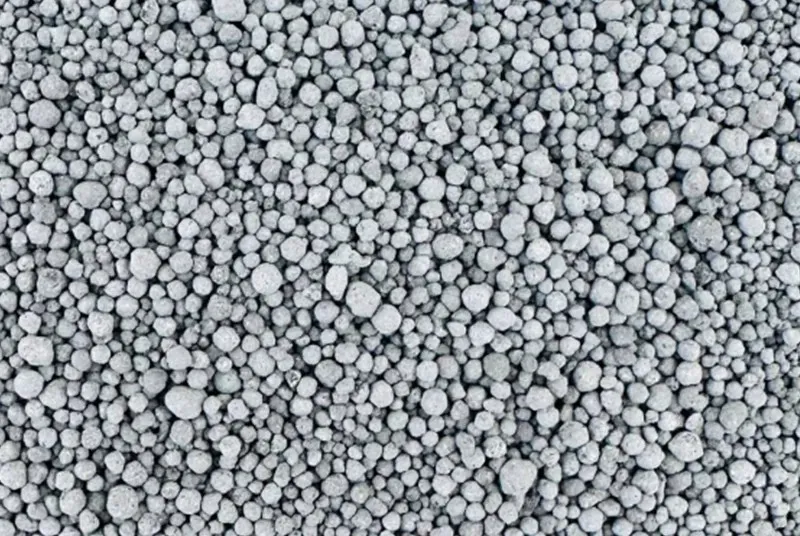
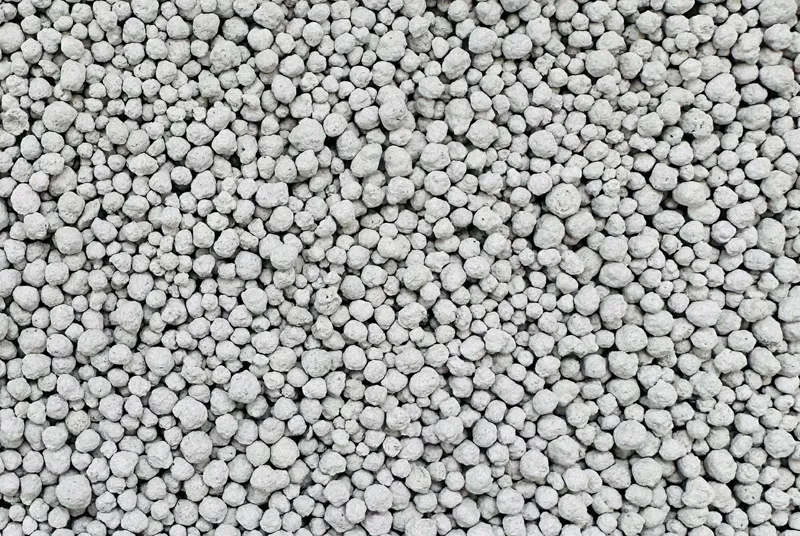
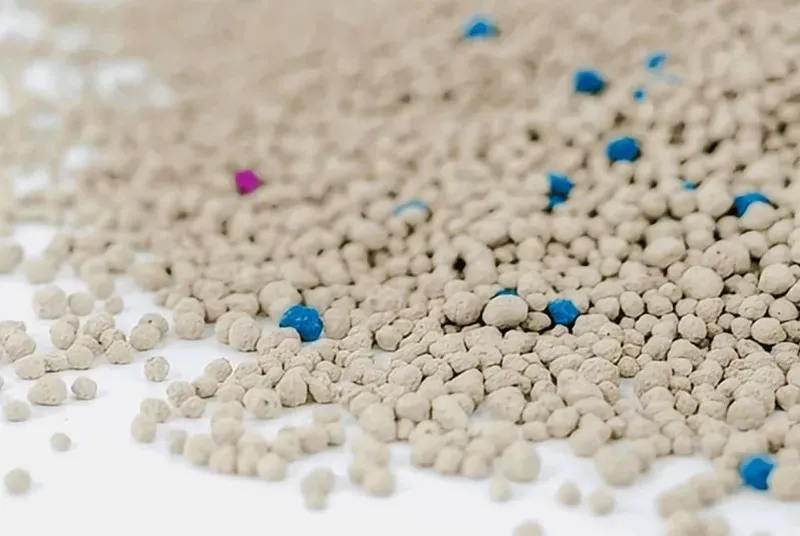
premium bentonite cat litter is designed to make daily litter-box care easier through fast clumping, moisture control, and odor management. The phrase low dust premium bentonite cat litter usually refers to litter made from processed sodium bentonite with smaller dust particles removed during manufacturing. For cat owners, the difference is practical: urine can form a firm clump instead of spreading across the tray, while solid waste can be removed without replacing all the litter. Petcare helps cat owners compare these features clearly and choose a product that fits their cat, home, and cleaning routine.

Premium bentonite cat litter is a clumping litter made from bentonite clay. Bentonite is a natural clay rich in smectite minerals, especially montmorillonite. The United States Geological Survey explains that bentonite can absorb water and expand because of the structure of its clay minerals. This swelling behavior is the main reason bentonite is used in clumping cat litter.
When liquid reaches the litter, bentonite particles attract and hold water. The wet area expands and binds nearby particles into a removable mass. This process is different from non-clumping clay, paper, wood, or silica litter, which may absorb liquid without creating the same type of solid clump.
The word premium is not a universal legal grade. It normally describes a combination of product features, such as:
Because “premium” can mean different things between brands, shoppers should check the product label, safety information, ingredient list, and usage instructions instead of relying on the name alone.
Sodium bentonite contains layered clay particles. Water enters the spaces between these layers, causing the particles to swell. In a litter tray, this creates a dense wet cluster that can be lifted with a scoop.
The performance depends on more than the clay itself. Particle size, mineral composition, drying conditions, and the amount of moisture in the litter can all affect clump strength. A larger clump is not always better. The useful goal is a compact clump that remains intact during removal and leaves less wet material behind.
Good clumping helps separate soiled litter from clean litter. If a clump breaks during scooping, small wet pieces can remain at the bottom of the tray. These pieces may create odor and increase the need for a full litter change.
For homes with more than one cat, a fast clumping bentonite cat litter for multi-cat homes can reduce the time between use and cleaning. However, the result also depends on tray depth, cat behavior, room temperature, and how often the box is scooped.
Bentonite mainly controls odor by capturing urine in a removable clump. Some formulas also use activated carbon, mineral additives, or fragrance. These ingredients work in different ways:
Odor is often a cleaning problem rather than a fragrance problem. The American Association of Feline Practitioners and other feline-care organizations commonly recommend keeping litter boxes clean and providing enough boxes for the number of cats in the home.
The main benefit is controlled maintenance. Instead of discarding an entire tray after each urine event, the owner can remove the soiled clump and keep the clean granules. This can reduce waste and make the litter box easier to manage when the product forms stable clumps.
A well-designed litter can also improve the cat’s experience. Cats often prefer clean, familiar, and easy-to-dig litter. The Cornell Feline Health Center notes that litter-box cleanliness, box location, litter type, and access can affect litter-box use. A cat that avoids a dirty or uncomfortable box may urinate elsewhere in the home.
Premium bentonite cat litter may be important for three practical reasons:
In a small apartment, odors can become noticeable quickly because the litter box may be close to living and sleeping areas. Clumping litter allows daily waste removal without moving a large tray or replacing all the contents. A low-dust formula is also useful when the box is placed indoors, although no clay litter should be assumed to be completely dust-free.
Multiple cats create more frequent urine and feces deposits. A multi-cat household needs a large enough tray, sufficient litter depth, and a cleaning schedule that matches use. The American Association of Feline Practitioners commonly supports the “one box per cat plus one extra” approach. For example, three cats may need four litter boxes if the home can accommodate them.
In this setting, firm clumping is valuable because it helps the owner remove each deposit before it mixes with the rest of the tray. Petcare shoppers should also compare package size, scoop design, dust level, and whether the formula contains fragrance.
Kittens may taste or play with litter. Owners should follow the age guidance on the package and ask a veterinarian when a kitten repeatedly eats litter. For young kittens that have not learned reliable litter-box habits, supervision and easy box access are important.
Older cats may struggle to step over a tall tray edge or walk to a distant box. The litter itself cannot solve an access problem, but a suitable box location and low-entry tray can help. Use a stable litter depth that allows digging without making the cat climb or balance unnecessarily.
When a cat is moved to a new place, keeping the same litter type can reduce sudden changes. Place the box in a quiet location and avoid changing litter, food, and feeding times all at once. A familiar texture may support a smoother transition.
| Litter type | Main behavior | Common advantage | Important limitation |
|---|---|---|---|
| Premium bentonite | Forms a clump when wet | Targeted scooping and moisture separation | Can create dust and is not suitable for flushing |
| Non-clumping clay | Absorbs liquid without forming a firm clump | Simple and often low-cost | More of the tray may need replacement |
| Silica gel | Traps moisture in porous crystals | Longer use between full changes for some homes | Texture may not suit every cat |
| Wood or paper | Absorbs moisture through plant-based fibers | Lightweight and made from renewable materials | Clumping and odor performance vary by formula |
| Corn or wheat | Plant-based particles absorb and may clump | Alternative material for some households | May have a different smell, texture, or tracking pattern |
There is no single litter that suits every cat. The best choice balances the cat’s texture preference, the owner’s cleaning routine, dust tolerance, odor expectations, and disposal method.
A practical home test is to observe whether a wet clump stays together when lifted. Test the litter according to the package instructions and allow enough time for liquid to bind. A clump that breaks into several pieces may leave wet residue in the tray.
“Dust-free” is often used as marketing language, but real performance can vary with transport, pouring height, and storage. Choose products that describe dust reduction or screening processes clearly. Pour slowly and keep the bag close to the tray to reduce airborne particles.
Some cats accept scented litter, while others avoid it. If a cat begins to urinate outside the box after a litter change, return to the previous product if safe and consult a veterinarian when the behavior continues. Sudden litter-box changes can also signal urinary or digestive disease.
Small particles may cling to paws and travel outside the box. A litter mat, high-sided tray, and placement away from food and water can reduce tracking. Large granules may track less for some cats but may feel uncomfortable to others.
Choose a bag size that can be stored in a dry area. Moisture can change the flow and clumping behavior of clay litter. Keep the package sealed and use a clean scoop to avoid introducing additional moisture or debris.
Pregnant people and anyone with a weakened immune system should follow medical advice about litter-box cleaning because cat feces can carry pathogens such as Toxoplasma gondii. The Centers for Disease Control and Prevention recommends daily litter-box cleaning because the parasite generally needs more than one day to become infectious.
This may happen when the litter layer is too shallow, the tray has a rough surface, or the box is not scooped soon enough. Add litter to the recommended depth and use a scoop with an appropriate slot size. A slightly angled scoop can help lift material without scraping aggressively.
Check for hidden residue under the tray, around the rim, or on nearby mats. Clean the tray, improve ventilation, and confirm that clumps are being removed completely. Avoid using strong household disinfectants around cats unless the label confirms safe use and the surface is fully rinsed and dry.
Change gradually by mixing a small amount of the new litter with the old one. Increase the proportion over several days if the cat continues to use the box. Keep the box in a quiet, accessible location. Persistent avoidance requires veterinary attention because pain, urinary disease, constipation, or stress may be involved.
Store the bag upright, pour slowly, avoid shaking the tray, and clean dust from nearby surfaces with a damp cloth. If dust remains a problem, compare another formula and ask a veterinarian for advice if the cat coughs, wheezes, or shows breathing difficulty.
Place a textured mat outside the box, use a high-sided tray where appropriate, and remove visible granules regularly. A larger particle size may reduce tracking, but the cat’s acceptance should remain the priority.
The scientific reason bentonite clumps is linked to the swelling and water-holding behavior of smectite clay. The USGS provides background on bentonite’s mineral properties and uses. For cat behavior and litter-box management, the Cornell Feline Health Center and the American Association of Feline Practitioners offer guidance on box cleanliness, access, and environmental comfort.
These sources support a careful approach: choose a litter the cat accepts, remove waste regularly, provide enough boxes, and treat sudden changes in urination or defecation as possible health signals. Product performance should still be judged by the label, batch quality, and real use in the home.
Important: Bentonite litter is for litter-box use. Do not allow cats to eat it, and seek veterinary advice if a cat repeatedly consumes litter. Keep the product dry and store it where children and pets cannot open the bag.
Most cats can use bentonite litter when it is used as directed. Do not let cats eat the litter, and monitor kittens or cats that repeatedly lick or swallow it. Choose a low-dust formula if dust is a concern and contact a veterinarian if respiratory or digestive symptoms appear.
No. Bentonite clay can absorb water and expand, which may block household plumbing. Place used litter in a sealed waste bag and follow local disposal rules.
Scoop at least once a day. A multi-cat household may need more frequent scooping, especially when several cats share a box. Daily removal supports odor control and keeps the surface cleaner.
Use the depth printed on the product package. Many cats need enough litter to dig and cover waste, but excessive depth can increase tracking and waste. Adjust gradually based on the cat’s behavior.
Mixing may change clumping, dust, texture, and odor performance. If a cat is sensitive to change, transition gradually and observe box use. Do not mix products if the label advises against it.
Not always. Fragrance can mask odor, while regular scooping physically removes the main odor sources. Some cats prefer unscented litter, so acceptance should be considered along with odor performance.
Arrange a veterinary check, especially if the cat strains, cries, urinates frequently, produces little urine, or shows blood in the urine. A sudden change can indicate a medical emergency, particularly in male cats.
Premium bentonite cat litter stands out because its swelling clay structure supports targeted moisture capture and daily scooping. The best result comes from matching the litter to the cat, using the correct tray depth, and cleaning on a consistent schedule. For owners comparing premium bentonite cat litter for odor control, Petcare offers a practical starting point: review the product details, read the user guide, begin with a gradual transition, and observe your cat’s comfort during the first week.
Latest Blog / Insights
Hot Products


Let’s Get Started on Your Cat Litter Journey.