OEM Cat Litter Solutions: How Brands Customize Their Own Cat Litter Products
Nov. 10, 2026
Share:
When buyers search for OEM cat litter solutions, they usually want more than a private label package. They want a reliable manufacturing partner that can help them choose the right litter material, develop a product formula, control dust and odor, meet safety requirements, create attractive packaging, and deliver consistent quality at a competitive cost.
This guide explains how brands can customize their own cat litter products from the first idea to mass production. It also addresses the main purchasing concerns commonly found in leading search results, including minimum order quantity, formula development, quality control, packaging, certification, shipping, and long term supplier reliability.

The first customization decision is not the package design. It is the market position of the product. A clear position helps the manufacturer recommend the correct raw materials, granule size, performance targets, packaging format, and cost structure.
Different customers expect different litter performance. A premium online brand may prioritize natural materials, low dust, recyclable packaging, and strong odor control. A supermarket brand may focus on attractive pricing, stable supply, and efficient shelf presentation. A pet store brand may need several product grades for different cat owner budgets.
Vague requests such as "high quality" or "premium litter" are difficult to manufacture consistently. Convert every expectation into a measurable specification that can be tested before production.
A product brief reduces repeated communication and makes supplier quotations easier to compare. The brief should include the product type, expected performance, target market, initial order quantity, package format, destination country, and expected launch date.
A practical product brief should contain:
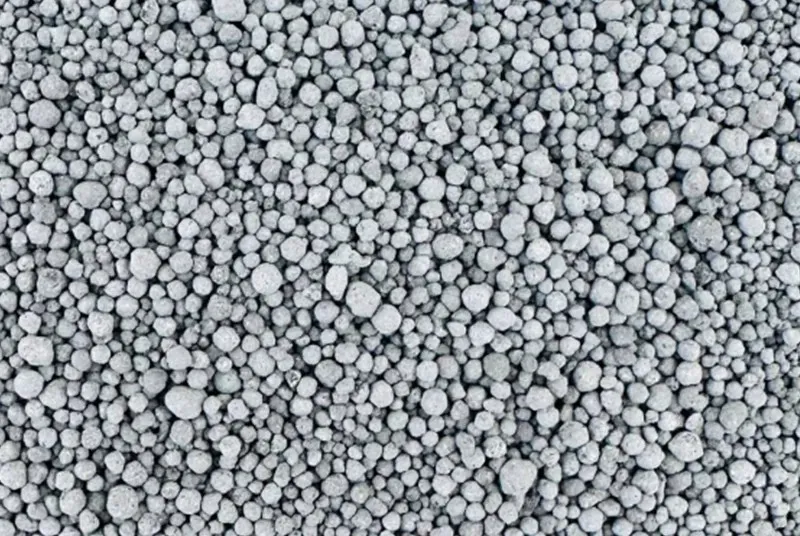
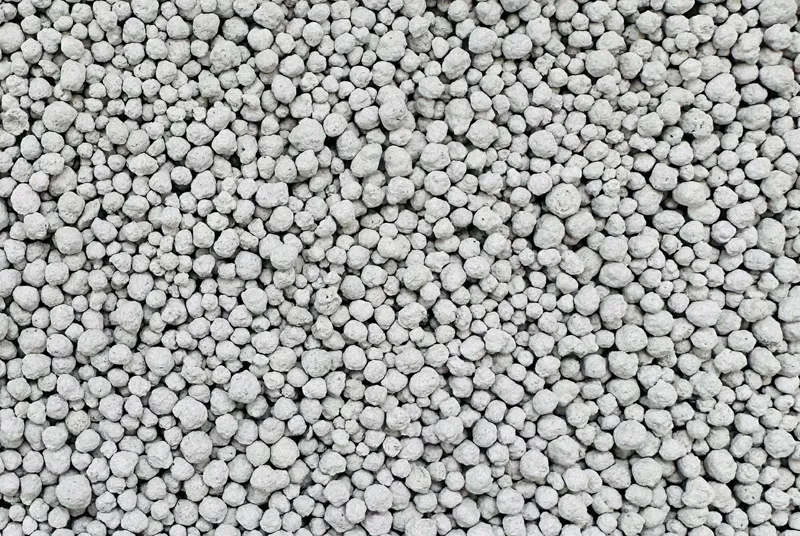
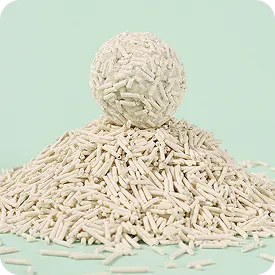
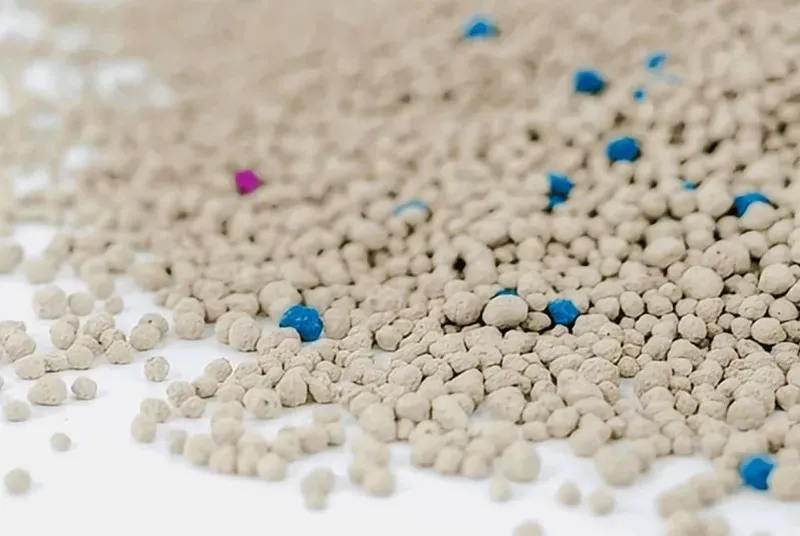
Material selection determines the product's absorption, clumping, odor control, dust behavior, biodegradability, storage requirements, and manufacturing cost. A professional OEM supplier should explain the advantages and limitations of each option instead of recommending one formula for every brand.
Do not approve a formula based on appearance alone. Ask the supplier to provide several samples with different granule sizes, raw material ratios, fragrance levels, or odor control ingredients.
For each sample, record:
Purchasing teams often worry that a supplier may change the raw material source or formula after the first order. A written specification should define which ingredients, additives, fragrances, and processing conditions may be used.
Ask the manufacturer to confirm:
A defined development process helps brands avoid delays, uncontrolled costs, and inconsistent samples. The following sequence can be used as a practical purchasing and product development plan.
Send the manufacturer your target market, product material, performance goals, package size, estimated order volume, destination, and launch schedule. Include any existing product samples or competitor references.
Confirm that the supplier has the equipment, raw material access, testing methods, packaging capabilities, and production capacity required for your product. A supplier that only provides standard litter may not be suitable for a complex custom formula.
Review the following information:
Ask for a quotation that separates product cost, packaging cost, tooling cost, testing cost, sample cost, and shipping cost. Request at least two or three samples when the formula or package format is not finalized.
Use a written scorecard instead of selecting the sample based on appearance. Test the product in a real litter box when possible, and compare it with the leading products in your target market.
Suggested scoring categories include:
Once the sample is accepted, create a written product specification. It should include material composition, granule size, color, fragrance, moisture range, dust target, absorption target, package weight, filling tolerance, and acceptable appearance variation.
Send editable artwork files to the supplier and request a digital proof before printing. The proof should show all text, barcodes, product claims, warning statements, recycling information, net weight, country of origin, and importer details required by the destination market.
A pre-production sample should use the approved formula, final packaging material, final printing method, and actual filling process. This stage confirms that the approved laboratory sample can be reproduced on the production line.
Approve the order only after checking the pre-production sample, packaging proof, product specification, purchase contract, payment terms, delivery schedule, and inspection requirements.
During production, the manufacturer should check raw materials, granule size, moisture, dust, package weight, seal quality, print clarity, carton strength, and pallet condition. The buyer may also arrange a third-party inspection before shipment.
After receiving the goods, compare the shipment with the approved sample and specification. Record customer feedback, return rates, damaged packages, odor performance, clumping behavior, and any complaints. Use this information to improve future production batches.
OEM development becomes faster when the purchasing group prepares the necessary information and testing tools in advance. The following list covers the most useful tools for product approval and supplier management.
Packaging is one of the most visible parts of a private label cat litter product. It must protect the litter from moisture, communicate the main benefit quickly, and support efficient storage and transportation.
The front of the package should communicate the main product benefit without making unsupported promises. Use a small number of strong claims instead of filling the package with technical text.
Possible claim categories include:
Claims such as "flushable," "100 percent dust free," "chemical free," "biodegradable," and "safe for kittens" may require evidence or may be restricted in some markets. Confirm the legal requirements of every country where the product will be sold.
Before approving the artwork, check:
Purchasing groups often face four connected risks: inconsistent quality, unexpected costs, delayed delivery, and missing compliance documents. These risks should be addressed before the first purchase order rather than after the goods arrive.
A quality control plan should specify what is inspected, when it is inspected, how many units are checked, and what happens when a result fails.
Certification needs vary by product material, destination country, packaging claim, and sales channel. Ask the supplier which documents are available and which tests must be completed by an independent laboratory.
Potential documents may include:
The product quotation is only one part of the final cost. Calculate the complete landed cost before choosing a supplier or package format.
Minimum order quantity can vary by formula, package material, printing method, and product size. A low MOQ for the litter may still require a high MOQ for custom packaging.
Ask the manufacturer to separate:
Many product launches fail because the buyer approves a sample too quickly, underestimates packaging requirements, or does not define quality standards in writing. The following mistakes are especially common.
The cheapest formula may produce more dust, weaker clumps, higher tracking, or poorer odor control. Compare total product performance and customer satisfaction rather than comparing the unit price alone.
A small sample may not represent production consistency. Request several samples and, when possible, test a pre-production batch made with the actual production equipment.
Terms such as "premium," "low dust," and "strong odor control" are not sufficient for production control. Convert these terms into measurable targets, test methods, and acceptable tolerances.
Custom bags, boxes, and buckets may have longer lead times than the litter itself. Approve artwork early and confirm whether packaging must be ordered in advance.
Unsupported claims can lead to customs problems, retailer rejection, product recalls, or customer complaints. Review every claim with the relevant regulatory or compliance specialist before printing.
Raw material substitutions can change clumping, color, odor, dust, and absorption. Require written approval for any change to raw materials, additives, fragrance, processing conditions, or packaging materials.
Plant-based and moisture-sensitive litters may absorb humidity during storage or shipping. Confirm moisture barriers, container loading requirements, warehouse conditions, and recommended shelf life.
A technically capable factory may still create problems if it responds slowly or cannot document changes. Test the supplier's communication quality during sampling, quotation, artwork approval, and quality discussions.
The best OEM relationship is based on repeatable quality, transparent communication, flexible product development, and dependable delivery. A supplier should support the brand not only during the first launch but also when the product line expands into new materials, sizes, fragrances, packaging formats, or markets.
Score each potential partner using the same criteria so that purchasing decisions are based on evidence rather than promises.
Keep one approved master sample, one signed product specification, one approved packaging proof, and one quality inspection standard. Use these references for every future production batch.
A repeatable approval system should include:
Successful OEM cat litter customization requires a structured process. Start with a clear market position, choose the right material, test several formulas, define measurable specifications, approve production samples, control packaging claims, inspect every batch, and calculate the complete landed cost.
Brands that work with a capable manufacturer can create cat litter products that match their customers' expectations for clumping, absorption, odor control, dust performance, sustainability, packaging, and price. With the right product brief and quality system, Petcare can help turn a private label concept into a dependable OEM cat litter product prepared for long-term market growth.
Latest Blog / Insights
Hot Products


Let’s Get Started on Your Cat Litter Journey.