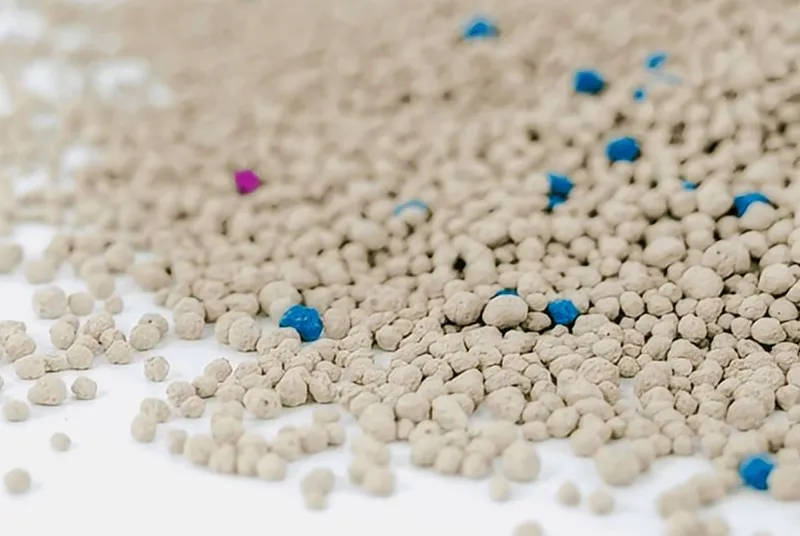
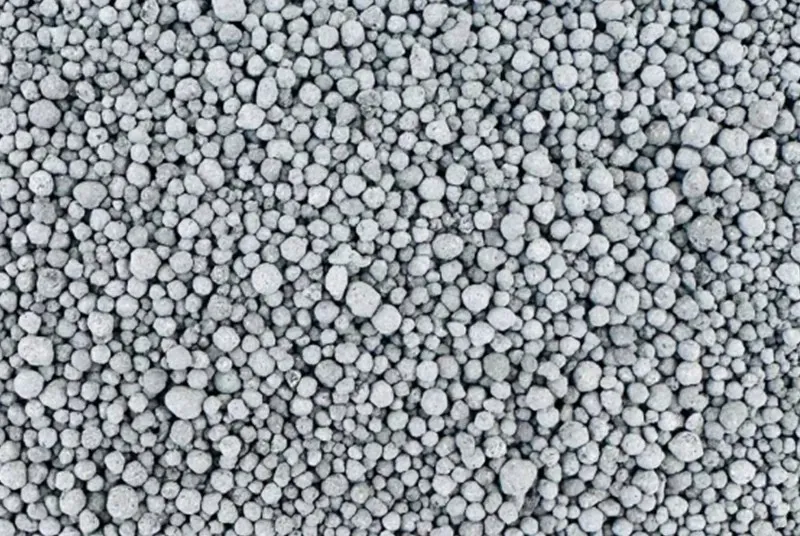
Choosing the right odm cat litter manufacturer can be difficult when you need stable quality, controlled costs, and a product that fits your local market. Petcare supports private label cat litter projects through formula design, raw material testing, production, and packaging. This guide explains how custom cat litter is developed, tested, and prepared for overseas distribution.
The process covers clumping cat litter, bentonite cat litter, tofu cat litter, mineral blends, and other contract manufacturing solutions. A clear process helps buyers reduce sample delays, avoid packaging errors, and launch a more reliable cat litter brand.

1. What Does ODM Cat Litter Manufacturing Include?
ODM means the manufacturer helps create the product, not only produce a formula selected by the buyer. The manufacturer can develop the litter type, adjust performance, design the package, and produce the finished goods under the buyer's brand.
This service is useful for importers, supermarket suppliers, online retailers, and pet product distributors. Instead of managing several factories, the buyer can work with one production partner from the first product idea to container loading.
ODM and OEM are not the same
| Service | Main buyer input | Manufacturer responsibility | Best use |
|---|---|---|---|
| ODM | Target market, price, and performance needs | Formula development, testing, production, and packaging support | New brands and buyers needing product differentiation |
| OEM | Existing formula or detailed product specification | Production based on the buyer's confirmed formula | Established brands with a fixed product design |
An ODM project usually needs more discussion at the beginning. However, it can give the buyer better control over odor control, dust level, clumping speed, absorption, granule size, and package format.
2. Formula Development Starts with Market Requirements
A strong formula does not start with raw materials alone. It starts with the product position. A premium indoor cat litter may focus on low dust and odor control. A value product may focus on basic absorption and a lower cost per bag.
Key questions for the first product brief
- Which country or sales channel will receive the product?
- What retail price and target factory price are required?
- Should the litter be clumping, non-clumping, flushable, lightweight, or biodegradable?
- What bag weight is suitable for local consumers?
- Does the buyer need fragrance-free or scented options?
- What package material and shelf life are expected?
- Are there local rules for labeling, waste disposal, or environmental claims?
The more complete the product brief, the fewer sample changes are needed. Petcare can use the brief to recommend a formula direction and prepare a practical sample plan.
Common formula directions
| Cat litter type | Main material | Common benefits | Important control points |
|---|---|---|---|
| Bentonite litter | Sodium bentonite or blended bentonite | Fast clumping, high absorption, familiar user experience | Dust, granule strength, tracking, clump hardness |
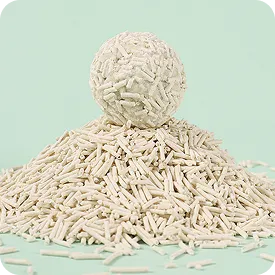
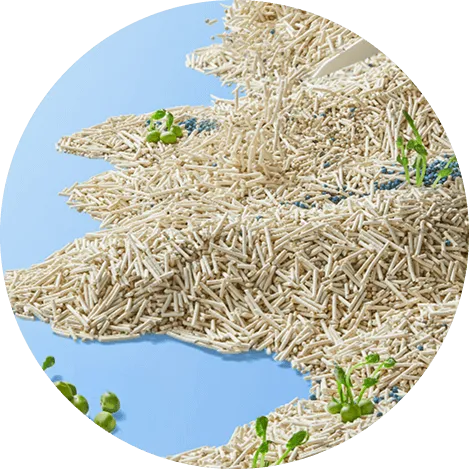
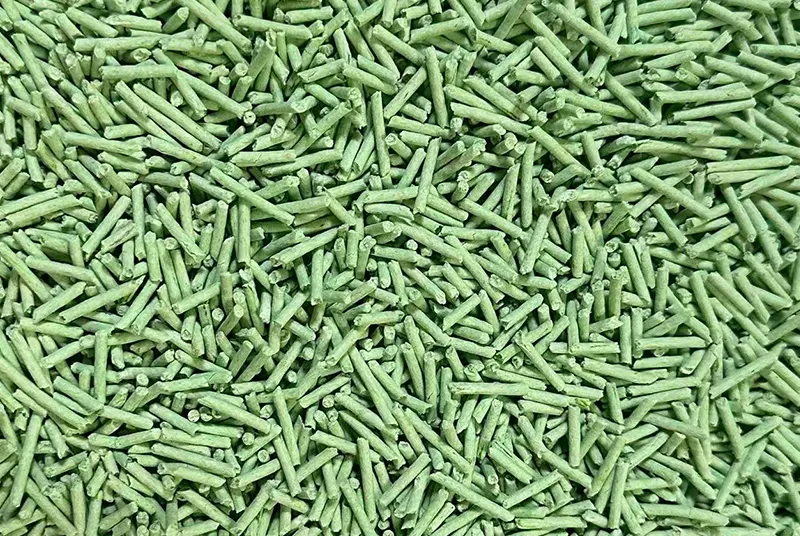
| Tofu litter | Pea fiber, soybean fiber, or other plant fiber | Lightweight feel, renewable material image, quick clumping | Moisture resistance, odor control, breakage, storage life |
| Mineral blend | Different mineral absorbents | Balanced cost and absorption performance | Particle distribution, dust content, odor retention |
| Wood or plant-based litter | Wood fiber or plant fiber | Natural positioning and low product weight | Moisture control, odor performance, consumer instructions |
3. Raw Material Selection Controls Product Performance
Raw material quality can change from one source or season to another. For this reason, a professional ODM cat litter factory should inspect incoming materials before production. Material inspection reduces the risk of weak clumps, high dust, or unstable odor control.
Important raw material checks
- Moisture content for plant fiber and blended materials
- Particle size distribution for smooth scooping
- Dust percentage after screening and handling
- Absorption capacity under controlled test conditions
- Color and smell consistency
- Foreign material and contamination control
- Supply stability and batch traceability
Some buyers request natural or biodegradable claims. These claims should be checked against the actual formula, local rules, and package wording. A clear claim is safer than a broad claim that cannot be supported by product records.
4. Sample Testing Turns an Idea into a Measurable Product
Samples should be tested with measurable standards instead of personal opinions alone. A cat litter sample may look good in a bag but perform differently after transport, storage, or repeated use in a home.
Recommended sample test items
| Test item | What it shows | Why buyers need it |
|---|---|---|
| Clumping time | How quickly urine forms a scoopable mass | Supports easy cleaning and less litter waste |
| Clump strength | Whether the clump stays together during scooping | Reduces breakage and dirty litter boxes |
| Absorption rate | How much liquid the litter can hold | Helps estimate usage and replacement frequency |
| Dust level | Loose powder created during pouring and scooping | Improves user comfort and package cleanliness |
| Tracking level | Granules carried outside the litter box | Addresses a common complaint from cat owners |
| Odor control | Ability to reduce unwanted smells | Supports indoor use and repeat purchase |
The buyer and manufacturer should agree on acceptance standards before mass production. For example, the project may define an allowed moisture range, a target granule size, a maximum dust level, and a minimum package weight. These values should match the formula and testing method.
5. The ODM Cat Litter Manufacturing Flow
A controlled manufacturing flow keeps the formula, granule size, and filling weight consistent. The exact process depends on the litter type, but most projects follow the steps below.
Step-by-step production flow
- Product brief confirmation: Confirm material, performance, weight, price target, and sales market.
- Raw material inspection: Check incoming materials for moisture, particle size, color, smell, and foreign matter.
- Material preparation: Crush, screen, dry, or prepare materials according to the approved formula.
- Mixing and granulation: Combine materials and form granules with the required size and shape.
- Drying or moisture adjustment: Control moisture so the litter remains stable during storage and transport.
- Screening: Remove over-size and under-size particles to improve product consistency.
- Additive application: Add approved fragrance, activated carbon, plant extracts, or other functional materials when required.
- Final inspection: Test weight, appearance, dust, absorption, clumping, and package condition.
- Filling and sealing: Fill the approved bags, seal them, and check printing and closure quality.
- Carton packing and loading: Pack the bags for export and prepare shipping documents.
A batch record should connect each finished lot with its raw materials, production date, inspection results, and packaging details. This makes quality review faster if a buyer reports a problem after delivery.
6. Packaging Development Protects the Product and the Brand
Packaging is more than a printed bag. It must protect the litter from moisture, tearing, leakage, and contamination. It must also communicate the product benefits clearly on a store shelf or online product page.
Packaging choices for overseas buyers
| Package format | Advantages | Points to confirm |
|---|---|---|
| Plastic woven bag with inner liner | Strong and suitable for larger weights | Seal quality, handle design, moisture protection |
| Printed plastic bag | Flexible design and common retail use | Film thickness, print color, puncture resistance |
| Paper or paper-look bag | Natural brand appearance | Water resistance, inner liner, transport strength |
| Box with inner bag | Good shelf presentation and stacking | Box strength, inner bag fit, higher packaging cost |
Packaging information checklist
- Product name and litter type
- Net weight in the required measurement system
- Material or ingredient information
- Usage instructions and disposal advice
- Storage instructions
- Batch or lot identification
- Country of origin information when required
- Brand logo, barcode, and customer service details
Before printing, the buyer should approve a final artwork proof. The proof should include package size, colors, text, barcode position, warning statements, and translation. One spelling error can affect an entire production run, so artwork approval is an important control step.
7. How to Control Cost, MOQ, and Lead Time
Many overseas buyers want a custom formula but also need a reasonable minimum order quantity. Cost depends on material price, additives, bag type, printing method, order volume, labor, and shipping space.
Cost comparison by project decision
| Decision | Usually lowers cost | Usually increases cost |
|---|---|---|
| Formula | Standard material blend | Special additives or several material types |
| Packaging | Standard bag size and existing structure | New mold, special closure, or complex structure |
| Printing | Simple artwork and standard print method | Many colors, special finishes, or small print runs |
| Order quantity | Larger production volume | Small quantity with custom packaging |
| Product range | One formula and fewer bag sizes | Many formulas and separate packaging designs |
A practical launch plan may begin with one core formula, one or two bag weights, and one approved package design. After sales data is available, the buyer can add scented versions, lightweight options, or premium formulas.
Typical project timeline
The timeline varies with formula complexity and packaging. A simple project may move from brief to sample in several working days. A new formula with repeated testing, custom bags, and regulatory review needs more time. Buyers should request a written schedule covering sample preparation, artwork approval, packaging production, mass production, inspection, and shipment.
8. Quality Control Before Export
Quality control should take place at three stages: incoming material inspection, production inspection, and final inspection. This approach finds problems early instead of waiting until the container is ready.
Final inspection checklist
- Confirm the approved formula and raw material batch.
- Check product color, smell, granule shape, and particle distribution.
- Measure net weight using a calibrated scale.
- Review dust, absorption, clumping, and odor control results.
- Check bag sealing, leakage, printing, barcode, and labels.
- Inspect cartons, pallet loading, and container conditions.
- Keep samples and inspection records for traceability.
For export orders, the package must also withstand handling, stacking, humidity changes, and long-distance transport. A package that looks attractive in the factory may fail if the bag film or carton strength is not suitable for the shipping route.
9. Why Choose Petcare for ODM Cat Litter?
Petcare works with overseas buyers that need a complete ODM cat litter solution. The project can include formula selection, sample adjustment, raw material control, manufacturing, package development, inspection, and export preparation.
The main value is process coordination. Buyers can discuss product performance, target cost, package appearance, and shipment plans with one team. This reduces communication gaps between the formula supplier, packaging supplier, and production factory.
What buyers should prepare before contacting a manufacturer
- Target country and sales channel
- Preferred litter type and product benefits
- Target bag weight and estimated order volume
- Reference samples or competitor product information
- Brand name, logo, and package artwork requirements
- Required delivery date and destination port
- Performance standards for approval
This information allows Petcare to recommend a suitable formula and packaging plan instead of giving a general product quote.
10. Frequently Asked Questions About ODM Cat Litter
How long does ODM cat litter development take?
A standard formula can move quickly from product brief to sample. A new formula may require several rounds of testing. Packaging design, printing, and local label review can also affect the final schedule. The manufacturer should provide a project timeline after reviewing the product requirements.
Can I request a private label cat litter with my own packaging?
Yes. Buyers can usually request their own brand name, logo, artwork, bag size, and package material. The artwork must be checked for technical printing limits and local labeling requirements before mass production.
Which is better, bentonite or tofu cat litter?
Neither material is best for every market. Bentonite is widely known for strong clumping and familiar use. Tofu litter is often selected for its plant-based image and lightweight handling. The right choice depends on consumer demand, price position, odor control needs, and transport conditions.
How can I reduce dust in cat litter?
Dust can be reduced through raw material screening, controlled granulation, suitable drying, and careful transfer during filling. The final package should also be tested after transport because handling can create fines.
What should I check before placing a bulk order?
Approve a production sample, written formula specification, packaging proof, inspection standard, delivery schedule, and shipping marks. Keep the approved sample as a reference for future orders.
Conclusion: Build a Reliable Cat Litter Brand with a Controlled ODM Process
Successful ODM cat litter manufacturing combines product research, measurable formula testing, stable raw materials, controlled production, and protective packaging. The most reliable process follows clear steps from product brief to final inspection.
For overseas buyers and distributors, Petcare can help turn a product concept into a retail-ready cat litter line. A clear specification and early communication can reduce cost risks, shorten approval time, and create a product that cat owners can use with confidence.