Non Toxic Cat Litter: What Materials Are Safe for Cats?
Sep. 21, 2026
Share:
Non Toxic Cat Litter: What Materials Are Safe for Cats? refers to cat litter made from materials and additives designed to reduce exposure to harmful dust, fragrances, contaminants, and unsafe chemicals when used as directed. In practice, safe litter should control odor and moisture while supporting a cat’s respiratory, skin, and paw health. For the Petcare industry, choosing verified non-toxic cat litter helps retailers, distributors, and private-label brands meet consumer demand, reduce product complaints, and build long-term customer trust.
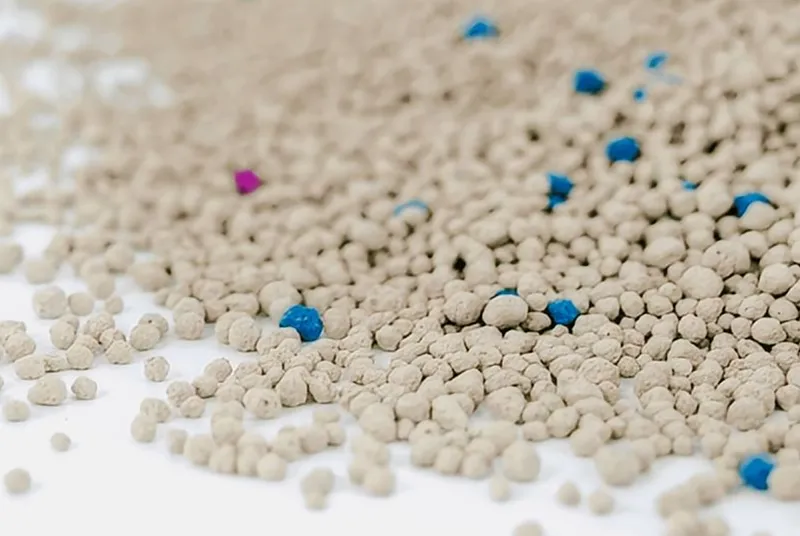
Because cats walk through litter, groom their paws, and may inhale airborne particles, material selection is a practical health and product-quality decision—not simply a marketing preference. This guide explains the safest commonly used materials, how to evaluate a product, and how Petcare approaches quality control for non-toxic cat litter.
Cat litter has changed significantly since the early 20th century. Early products often used sand, soil, or ash. In the 1940s, absorbent clay became popular because it was convenient and controlled moisture more effectively. Later, sodium bentonite enabled strong clumping, while silica gel and plant-based litters introduced alternative performance characteristics.
Today, the market includes mineral, wood, corn, wheat, tofu, paper, and grass-based formulations. This development has created more choice, but it has also made product evaluation more complex. “Natural” does not automatically mean safe, and “clumping” does not automatically mean harmful. The complete formulation, particle-size distribution, dust level, additives, storage conditions, and manufacturing controls all matter.
For manufacturers and buyers, a reliable non-toxic cat litter program can provide several practical benefits:
The safest choice depends on the individual cat and the product’s manufacturing quality. The following materials are widely used in cat litter and can be suitable when properly processed and tested.
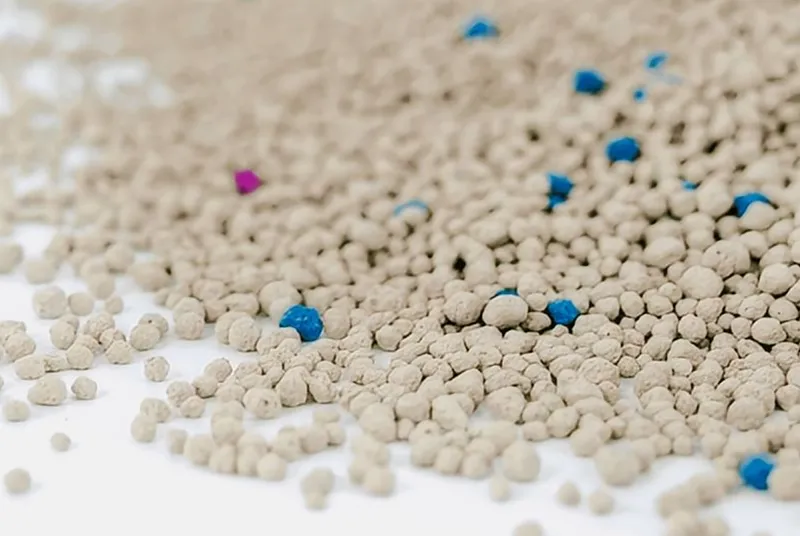
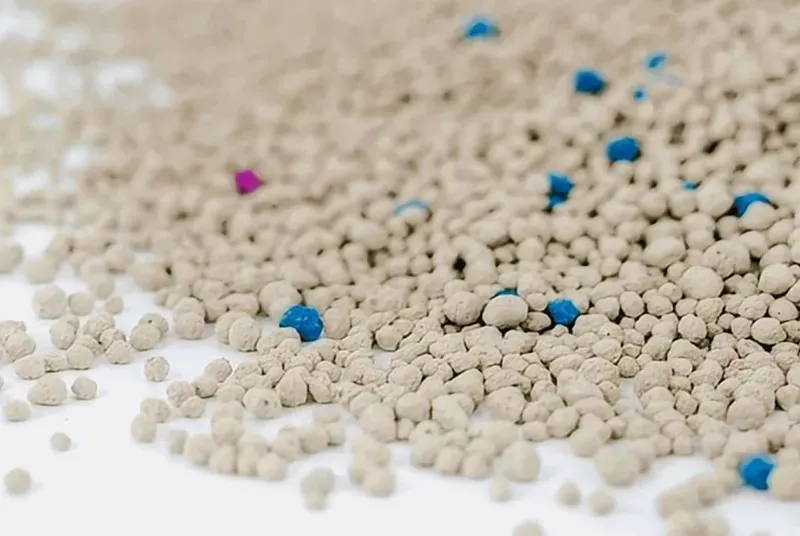
Bentonite is a naturally occurring absorbent clay, commonly used in clumping litter. Sodium bentonite forms a scoopable mass when it contacts urine, which makes daily cleaning easier and can reduce the amount of litter discarded.
Good-quality bentonite litter should have:
A common misconception is that all clumping clay is inherently toxic. Current evidence does not support treating every bentonite product as dangerous solely because it clumps. However, excessive dust, poor raw-material control, contamination, or fragrance additives can make a specific product unsuitable for some cats.
Wood-based litter is commonly produced from sawdust, wood fiber, or compressed pellets. Pine and other softwood materials may be kiln-dried or heat-treated to reduce moisture and volatile compounds. These products are often valued for their lightweight structure and natural odor profile.
When evaluating wood litter, confirm whether the product is:
Wood litter is not automatically safe simply because it is plant-based. The source material and processing method are essential. A manufacturer should maintain supplier qualification records and perform incoming raw-material inspections.
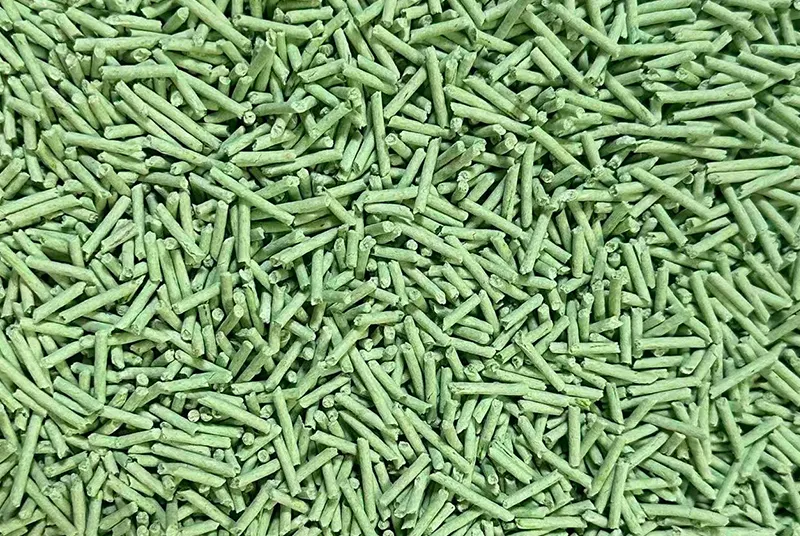
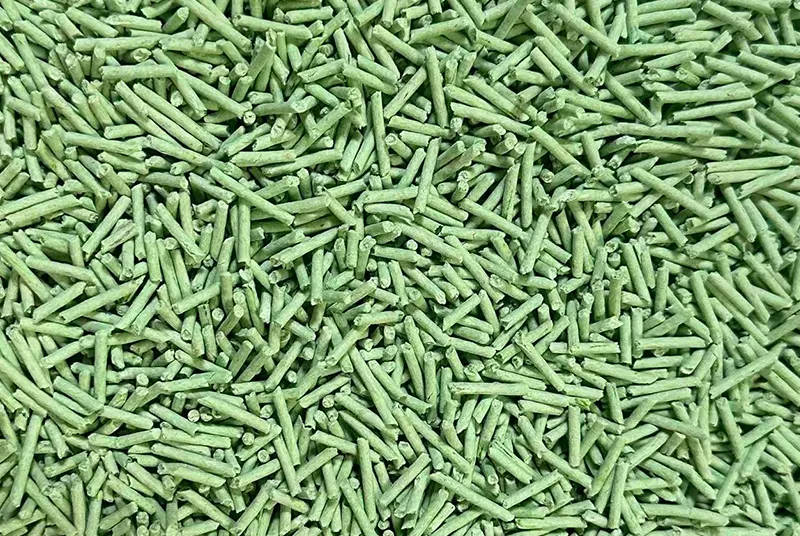
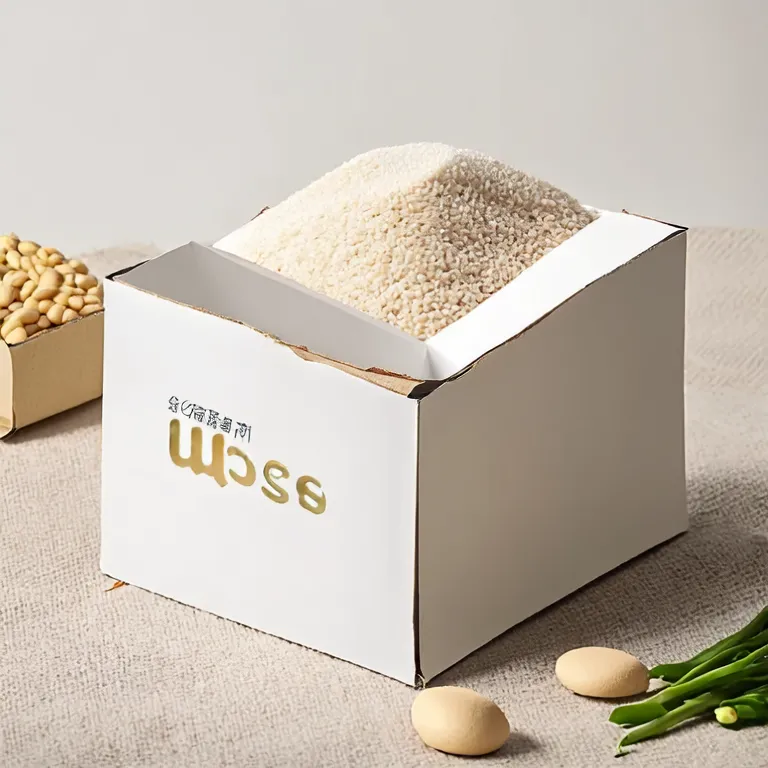
Tofu litter is usually made from compressed soybean fiber or other plant residues. It is lightweight, renewable, and commonly available in clumping formats. Many formulas use plant starches to improve cohesion.
For a plant-fiber product, buyers should check for:
Tofu litter can be a practical non-toxic cat litter option, but “flushable” claims require caution. Plumbing systems differ, and even biodegradable fibers may swell or create blockages. Disposal according to local wastewater and waste-management rules is usually safer.
Corn, wheat, and grass-based litters use agricultural fibers, starches, or pressed granules. They can offer low weight and renewable sourcing. However, natural agricultural materials may be vulnerable to moisture, insects, and fungal contamination if they are not properly dried and packaged.
Responsible quality control should include:
Cats with known food allergies may require closer observation when using a litter made from a related plant ingredient. Allergy claims should be discussed with a veterinarian rather than assumed from the product label.
Paper litter is generally made from cellulose pellets, recycled paper, or compressed fiber. It is often soft and low in dust, making it a potential choice for cats recovering from surgery or experiencing paw sensitivity.
The key issue is source control. Recycled paper should be processed to remove inks, adhesives, and contaminants. A supplier should be able to provide documentation regarding de-inking, chemical residues, and material composition.
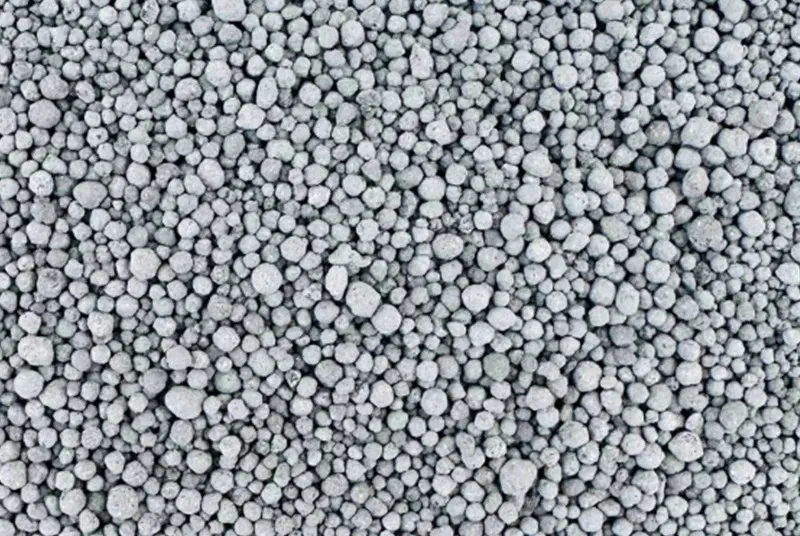
Silica gel litter consists of porous silicon dioxide crystals that absorb moisture and help control odor. It is not the same as crystalline silica dust generated by industrial cutting or mining operations, but product dust and particle shape still matter.
Consumers should avoid assuming that every silica product is identical. Look for:
Safe litter selection involves more than choosing a base material. Additives can change a product’s odor, dust, and irritation profile.
| Material or additive | Potential concern | Practical evaluation |
|---|---|---|
| Artificial fragrance | May irritate sensitive cats or cause litter-box avoidance | Choose fragrance-free formulas where possible |
| Excessive mineral fines | Can increase airborne dust and tracking | Request dustiness and particle-size data |
| Untreated agricultural fiber | May carry moisture, mold, or foreign material | Review drying, storage, and microbial controls |
| Unknown recycled content | Possible inks, adhesives, or chemical residues | Require material-source and contaminant documentation |
| Essential oils | Concentrated oils may be unsuitable for cats | Do not assume “natural” means feline-safe |
Essential oils deserve particular caution. Cats metabolize many compounds differently from humans, and concentrated aromatic ingredients may create avoidable exposure. A fragrance-free product is often the more conservative option, especially for kittens, senior cats, or cats with respiratory disease.
When comparing Non Toxic Cat Litter: What Materials Are Safe for Cats?, use a structured evaluation process instead of relying only on packaging claims.
Look for the primary substrate, binders, odor-control agents, colorants, and fragrance components. Avoid products that make broad “chemical-free” claims without identifying what is actually included. Every physical product contains chemicals in the scientific sense; the relevant question is whether its ingredients and exposure levels are appropriate for the intended use.
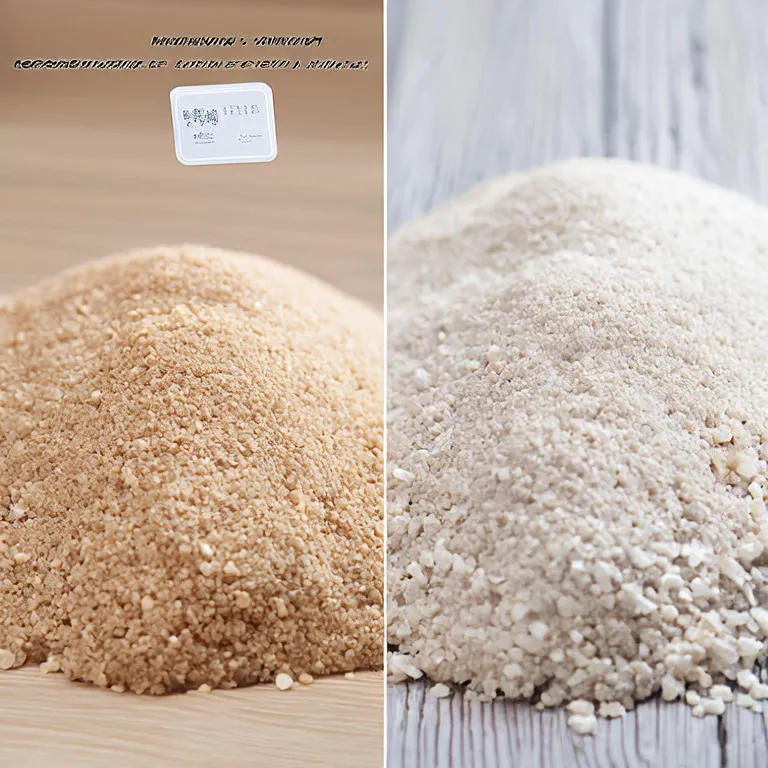
Dust performance depends on particle size, crushing resistance, screening, and handling. A supplier should define a particle-size distribution rather than simply describing litter as “low dust.” For example, a technical specification may control granules within a defined mesh range and set a maximum percentage of fines.
For industrial verification, dustiness methods such as EN 15051 may provide useful reference points, although the exact method must be appropriate for the product and test laboratory. ASTM, ISO, or DIN references should never be presented as proof of safety unless the product was actually tested under that standard.
Trustworthy manufacturers should be able to provide a batch-specific or periodic certificate of analysis. Depending on the material, relevant checks may include:
There is no single universal ASTM or DIN standard that automatically certifies all cat litter as non-toxic. Standards must be matched to the characteristic being measured. For example, EN 15051 concerns dustiness testing, while EN 13432 relates to industrial compostability and does not prove feline toxicological safety. This distinction is important for accurate and trustworthy SEO claims.
Quality begins before the product reaches the testing laboratory. A responsible Petcare supplier should use documented incoming inspection, calibrated equipment, traceable batch coding, and corrective-action procedures.
For example, a qualified production program may include:
These figures should be treated as measurable supplier commitments, not universal industry requirements. Buyers should verify them through audit records, inspection reports, and certificates.
Natural materials may still contain dust, mold, allergens, or irritating aromatic compounds. Safety depends on purity, dosage, exposure, and manufacturing controls.
Clay litter varies considerably. A low-dust, fragrance-free, properly tested product is not equivalent to a dusty product containing unverified additives. Cats with asthma or respiratory sensitivity may still do better with a different substrate.
Flushability depends on local plumbing, water-treatment infrastructure, and disposal rules. Even biodegradable litter can expand, accumulate, or transmit pathogens. Follow local guidance and never flush litter if the packaging or wastewater authority advises against it.
Odor control can also come from rapid absorption, frequent scooping, activated carbon, zeolite, or controlled ventilation. A powerful scent may mask odor for humans while making the litter box unacceptable to the cat.
Compostability is a disposal characteristic, not a complete toxicological assessment. Cat feces may contain parasites, so used litter should not automatically be placed in home compost intended for food gardens.
Consider a cat that begins sneezing after a household changes to a strongly scented clay litter. The owner should not immediately assume that clay itself is the cause. A more logical troubleshooting process is:
If the cat improves after the additive and dust exposure are reduced, the issue may have been formulation-specific rather than related to one entire material category. Any persistent respiratory, skin, digestive, or urinary symptoms require veterinary attention.
Petcare can support buyers by treating non-toxic cat litter as a product-specification and quality-management project. A strong supplier relationship should cover formulation, testing, packaging, logistics, and post-sale support.
For technical sourcing, precision matters. A supplier that specifies particle-size tolerances to 0.01 mm where appropriate, documents calibration, and maintains traceability demonstrates stronger process control than one relying only on phrases such as “premium quality” or “100% natural.”
Non Toxic Cat Litter: What Materials Are Safe for Cats? cannot be answered by one ingredient alone. Bentonite, wood, tofu, agricultural fibers, paper, and silica gel may all be suitable when the finished product is low-dust, free from unnecessary irritants, properly manufactured, and supported by credible testing.
The safest decision process is to:
When evaluating Non Toxic Cat Litter: What Materials Are Safe for Cats?, start with the ingredient list, then verify the manufacturing process and testing documentation. A transparent, low-dust, properly controlled product is more meaningful than a broad “natural” claim—and it gives both cat owners and Petcare businesses a stronger basis for a safe, reliable choice.
Latest Blog / Insights
Hot Products


Let’s Get Started on Your Cat Litter Journey.