Natural Clumping Cat Litter: Benefits of Plant Based Materials
Oct. 16, 2026
Share:

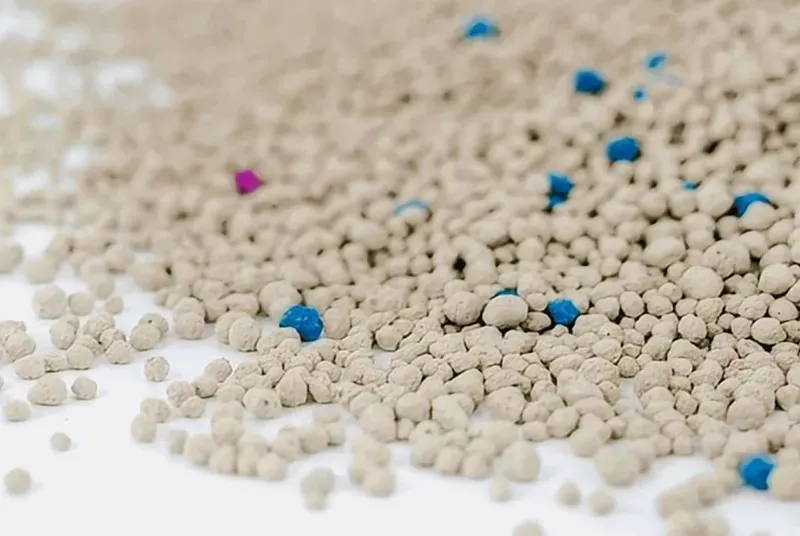
Natural clumping cat litter offers a plant based way to control odor, simplify cleaning, and reduce dependence on mineral materials. Plant-based cat litter is often made from tofu fiber, pea fiber, corn starch, or other renewable ingredients. Many cat owners also want a low dust cat litter because fine particles can spread across floors and may irritate sensitive cats. The right formula must still form firm clumps, control urine odor, and remain comfortable for daily use. Biodegradable cat litter can reduce the amount of litter sent to landfill, but disposal rules vary by location. Tofu cat litter is popular because its lightweight granules absorb liquid quickly and can create compact clumps. This article explains how natural clumping cat litter works, how it compares with clay, and what quality tests buyers should review.
Natural clumping cat litter made from plant based materials can provide fast liquid absorption, firm clumping, effective odor control, lower dust, lighter bags, and a renewable alternative to traditional clay litter. Tofu litter is especially useful for homes that want easy daily scooping and a softer texture. However, buyers should check the ingredient list, dust level, moisture content, clump strength, odor test results, and disposal instructions before choosing a product.
Natural clumping cat litter uses materials that can form a solid mass after contact with urine. Common ingredients include:
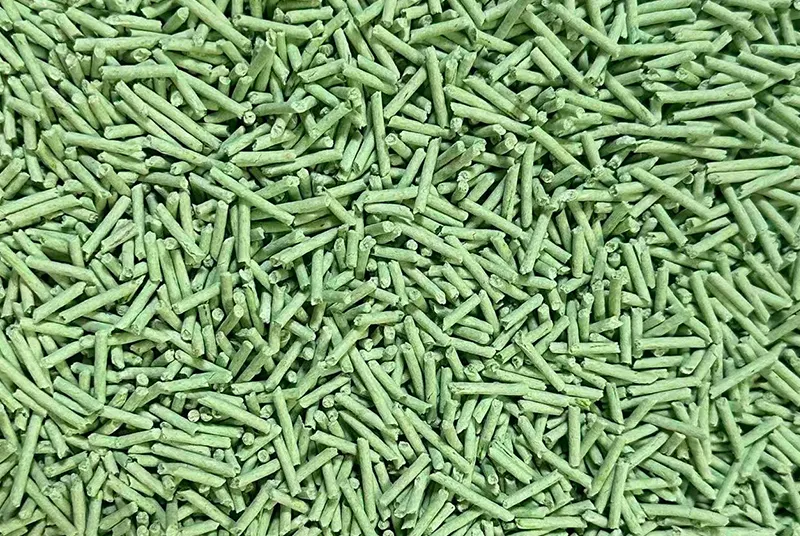
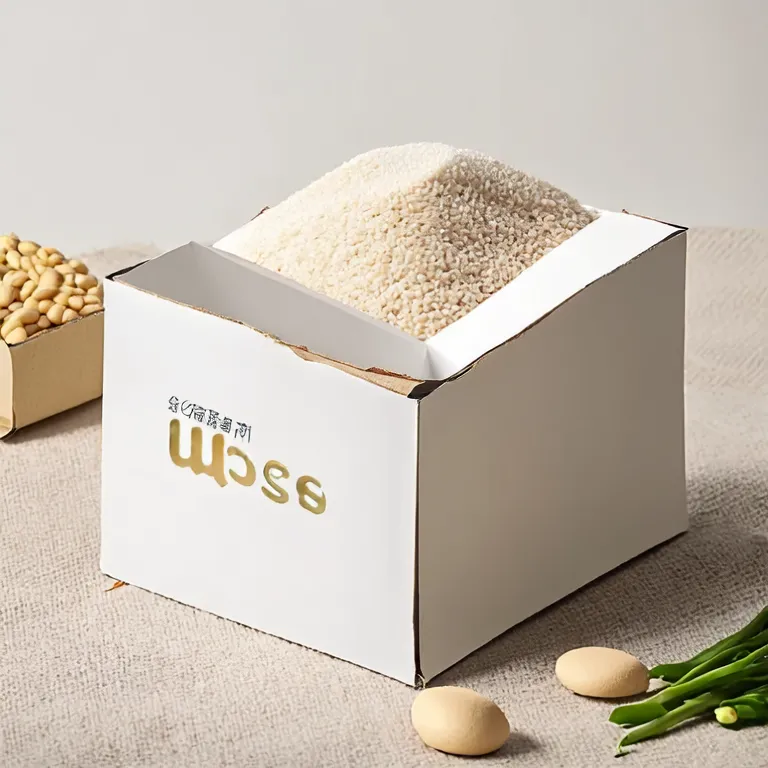
Tofu litter usually combines plant fiber with a starch binder. The fiber provides liquid absorption. The starch helps the wet granules hold together. Some products include activated carbon, zeolite, or plant extracts to improve odor management. The exact formula should be printed on the package.
When liquid reaches the granules, the fiber absorbs water and expands. The binder becomes sticky. These two actions create a clump that can be removed with a scoop. A strong clump reduces the amount of clean litter removed during daily cleaning.
Good clumping cat litter should meet several practical targets:
These figures are useful product testing targets. Actual results depend on granule size, formula, urine volume, storage conditions, and scoop design.
Plant based litter uses agricultural materials that can be renewed through new crop production. Tofu fiber can also use a byproduct from soybean processing. This approach may improve material efficiency because a useful litter ingredient is recovered from an existing food production stream.
Renewable does not mean impact-free. Farming, drying, processing, packaging, and transport still use energy and water. A responsible product review should consider the full supply chain instead of looking only at the ingredient name.
Many tofu litter products have a bulk density of about 0.35 to 0.65 grams per cubic centimeter. Traditional bentonite clay litter often has a higher bulk density, commonly around 0.80 to 1.00 grams per cubic centimeter. This difference can make a 6 liter bag of tofu litter easier to carry than a clay bag with a similar volume.
Lower density can also reduce shipping weight. The final result depends on the package size, moisture level, and product composition.
Plant fiber has a porous structure. It can draw liquid into the granule through capillary action. A well-designed tofu formula can absorb urine within seconds and keep the wet area compact.
Fast absorption helps in three ways:
Firm clumps support a simple cleaning routine. Scoop the wet clumps and solid waste at least once each day. Add fresh litter when the level falls below the recommended depth, often 5 to 7 centimeters.
In a home with one adult cat, daily removal may use about 40 to 80 grams of litter. This is an example range, not a universal consumption rate. The actual amount depends on the tray size, cat habits, litter depth, and replacement schedule.
Tofu cat litter can reduce odor by absorbing urine quickly and limiting exposed moisture. Some products also use activated carbon or zeolite. These materials can trap or hold certain odor compounds.
Odor control depends on more than the litter formula. A covered tray with poor ventilation may hold odor inside. A dirty tray can also create strong smells even when the litter has good absorption. Scoop daily, wash the tray during a full change, and provide enough litter depth for proper absorption.
Plant fiber granules can produce less airborne powder than some fine mineral litters. However, no litter should be called dust-free unless it has been tested under a defined method.
A useful quality program can measure particles below 75 micrometers after controlled shaking. The test should record the equipment, sample weight, shaking time, and result. Petcare product inspections may also include a visual powder check after bag filling and transport simulation.
| Feature | Tofu and Other Plant Based Litter | Bentonite Clay Litter |
|---|---|---|
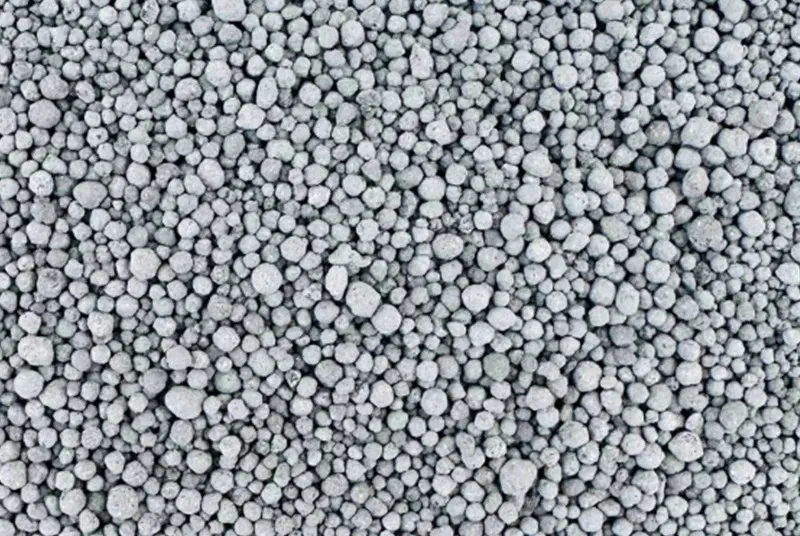
| Main material | Tofu fiber, pea fiber, corn starch, wheat fiber, or cellulose | Sodium bentonite clay |
| Typical bulk density | About 0.35 to 0.65 g/cm3 | About 0.80 to 1.00 g/cm3 |
| Clump formation | Fiber and starch bind liquid into a compact clump | Clay swells and forms a dense clump |
| Dust potential | Can be low when granules are screened and sealed correctly | Varies by mining source, granule size, and processing |
| Renewable content | Usually high, depending on the formula | Mineral based and mined from natural deposits |
| Weight | Often lighter by volume | Usually heavier by volume |
| Flushability | Some products are marketed as flushable, but local rules and plumbing conditions must be checked | Generally not suitable for flushing |
| Odor performance | Depends on absorption, carbon, ventilation, and cleaning | Depends on clump speed, additives, and cleaning |
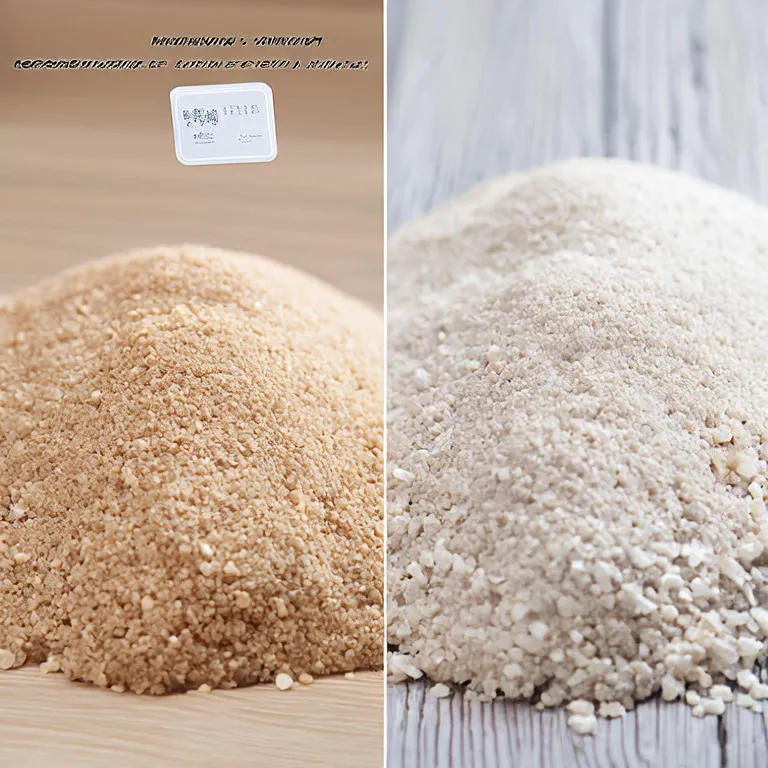
The best choice depends on the cat, the household, and the cleaning routine. A plant based formula is not automatically better in every performance category. Buyers should compare measured results rather than rely only on terms such as natural, green, or premium.
Look for clear information about the main fiber, binder, fragrance, and odor control additives. A short ingredient list is easier to understand. If a cat has food allergies or a sensitive stomach, ask a veterinarian whether the selected material is suitable.
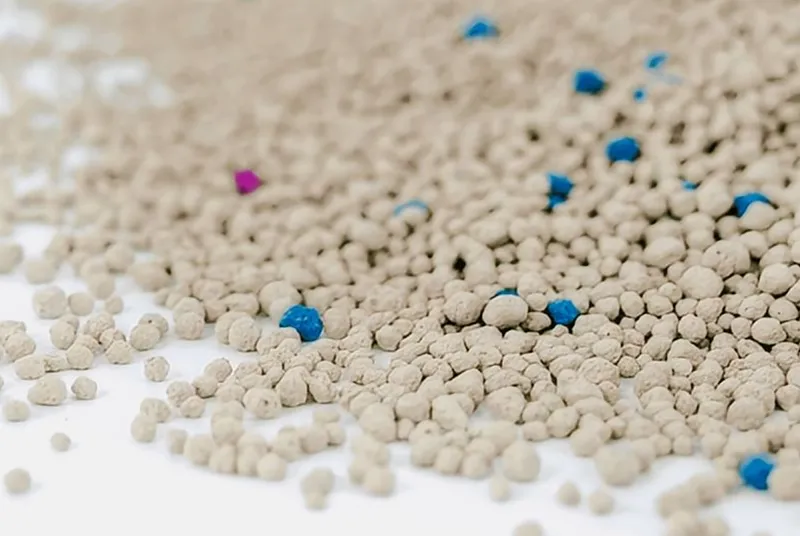
Granule size affects tracking, absorption, and comfort. Many tofu products use granules between 1.5 and 4.0 millimeters. Smaller granules may form clumps quickly but can track more easily. Larger granules may reduce tracking but may feel less familiar to a cat that prefers fine litter.
Excess moisture can weaken clumps and shorten shelf life. A product quality program may set a finished litter moisture target below 10 percent, depending on the formula. Samples should be tested from the beginning, middle, and end of a production batch.
Clump strength can be tested with a scoop and a controlled drop test. For example, a laboratory can create a standard urine substitute, allow a clump to set for 10 minutes, and drop it from 20 centimeters onto a hard test surface. The test can record the percentage of the clump that remains intact.
This is a practical internal test. It should not be presented as a universal industry standard unless the company identifies the standard and method used.
Choose a product with screened granules and sealed packaging. A low dust cat litter should be checked after production, vibration, shipping, and opening. A simple tracking test can place a 60 by 60 centimeter mat outside the tray and count the granules carried onto the mat after 24 hours.
Plant fiber can absorb moisture from the air. Packaging should protect the litter from humidity. Multi-layer bags with a sealed inner layer can help maintain product quality. Store the bag in a dry area and close it after each use.
A professional natural clumping cat litter program should inspect raw materials, production conditions, finished goods, and packaging. Petcare manufacturers can use a written inspection plan with batch records and retained samples.
| Inspection Item | Example Measurement | Why It Matters |
|---|---|---|
| Moisture content | Target set by formula, often below 10 percent | Controls clump strength, shelf life, and weight stability |
| Granule size | Common range of 1.5 to 4.0 mm | Influences comfort, tracking, and absorption |
| Bulk density | About 0.35 to 0.65 g/cm3 for many tofu formulas | Helps control package weight and filling volume |
| Absorption time | Record time to absorb a fixed liquid volume | Shows how quickly moisture leaves the surface |
| Clump strength | Measure intact mass after a set time and drop height | Shows whether clumps survive scooping |
| Dust level | Measure fine particles after controlled shaking | Supports cleaner air and less floor residue |
| Odor control | Compare treated and untreated samples in a controlled chamber | Provides a more consistent odor result |
| Package seal strength | Check seal width and leakage under pressure | Protects the litter from humidity and contamination |
R and D teams may use moisture analyzers, digital scales, particle-size sieves, climate chambers, dust collection equipment, odor test chambers, and compression or drop-test equipment. Each instrument should have a calibration record.
A controlled development process may test 10 to 20 formula samples before selecting a production version. It may also compare three to five granule sizes and run storage tests at 25 degrees Celsius and 60 percent relative humidity. Accelerated tests at higher humidity can help identify weak packaging or clump performance before market release.
A complete launch plan can include three pilot batches, 30 or more litter boxes in home-use trials, and at least 90 days of storage observation. User trials should record clump score, tracking score, dust observations, odor score, and cat acceptance. A structured score from 1 to 5 makes results easier to compare.
These figures are examples of a measurable implementation program. Each company should adjust the sample size to its product risk, target market, and quality system.
Flow: prepare a dry tray, add 5 to 7 cm of litter, allow the cat to use the tray, wait for the clump to set, scoop the clump, refill the level, then complete a full change when needed.
Most cats prefer familiar smells and textures. A gradual transition can reduce rejection.
Slow the process if the cat stops using the tray. A veterinarian should assess sudden litter box avoidance because it can indicate a health problem.
Some tofu products are designed to break apart in water. That does not mean every household should flush them. Plumbing systems, septic tanks, local regulations, and wastewater treatment rules differ. Never flush cat feces if local health guidance prohibits it. When in doubt, place used litter in a sealed waste bag according to local disposal rules.
Tofu litter is generally made from plant fiber and starch. It should not contain harmful fragrance levels, contaminants, or sharp particles. Choose products with clear ingredient information and quality inspection records. Kittens may explore litter with their mouths, so follow the age guidance on the package and ask a veterinarian if concerns arise.
It can control odor when it absorbs liquid quickly and is cleaned daily. Activated carbon or zeolite may improve results in some formulas. No litter can replace regular scooping, proper ventilation, and routine tray washing.
Tofu litter may be a better fit for owners who want plant based materials, lower weight, and a softer granule texture. Clay may suit cats that prefer a fine mineral texture or owners who want a widely available option. Compare performance, price, dust, clump strength, and disposal requirements before deciding.
A 6 liter bag may last about 2 to 4 weeks for one cat in some homes. This estimate changes with the bag density, tray size, litter depth, scooping routine, and number of cats. A multi-cat home will usually use more litter and need more frequent full changes.
Dry, sealed litter is unlikely to attract insects under normal storage conditions. Moisture and food residue are larger risks. Keep the bag closed, use a dry storage area, and clean spills quickly.
Natural clumping cat litter can support a lower-mineral material strategy, especially when it uses plant processing byproducts. It may also reduce transport weight because many plant based formulas have lower bulk density. However, environmental performance should include packaging, transport distance, factory energy use, and disposal.
Look for measurable information such as:
Do not place used litter in compost used for food crops unless local authorities specifically allow it and the product instructions support that use. Cat feces may contain parasites and pathogens. Disposal decisions should follow local waste regulations.
Natural clumping cat litter gives cat owners a practical alternative to mineral litter. Tofu fiber and other plant based materials can provide fast absorption, compact clumps, lower weight, and reduced dust when the product is designed and tested correctly. The best natural clumping cat litter should have clear ingredients, stable moisture, suitable granule size, strong clump performance, controlled odor, and reliable packaging. Petcare brands can improve trust by publishing test methods and measurable quality results. With the right product and a daily cleaning routine, plant based litter can support a cleaner tray and a more convenient home.
Latest Blog / Insights
Hot Products


Let’s Get Started on Your Cat Litter Journey.