Is Your Flushable Cat Litter Actually Toilet Safe? Tips for Testing
Feb. 25, 2026
Share:
Many cat owners are drawn to flushable cat litter due to the convenience and potential environmental benefits. However, with varied formulations on the market, a crucial question arises: is all flushable cat litter truly toilet safe? Understanding the risks associated with different types of litter is essential for maintaining plumbing integrity and ensuring environmental responsibility. This article provides practical solutions for testing flushable litter, enabling users to make informed choices for their pets and households.
Many pet owners choose flushable cat litter believing it will easily break down in water. However, not all brands are equally biodegradable or toilet safe, leading to potential clogs and environmental concerns. Ensuring that the litter you use is genuinely safe for toilets can prevent costly plumbing issues. According to Planet Natural, some common clumping agents can cause severe plumbing blockages.
Why: Manufacturer transparency can indicate trustworthiness.
Operation method: Research the brand’s website and look for claims regarding toilet safety, including any certifications or testing they may provide.
This technique is suitable for cat owners prioritizing brand reliability. For example, a reputable brand like Petcare often includes detailed product information and customer feedback that can help gauge the litter\'s effectiveness.
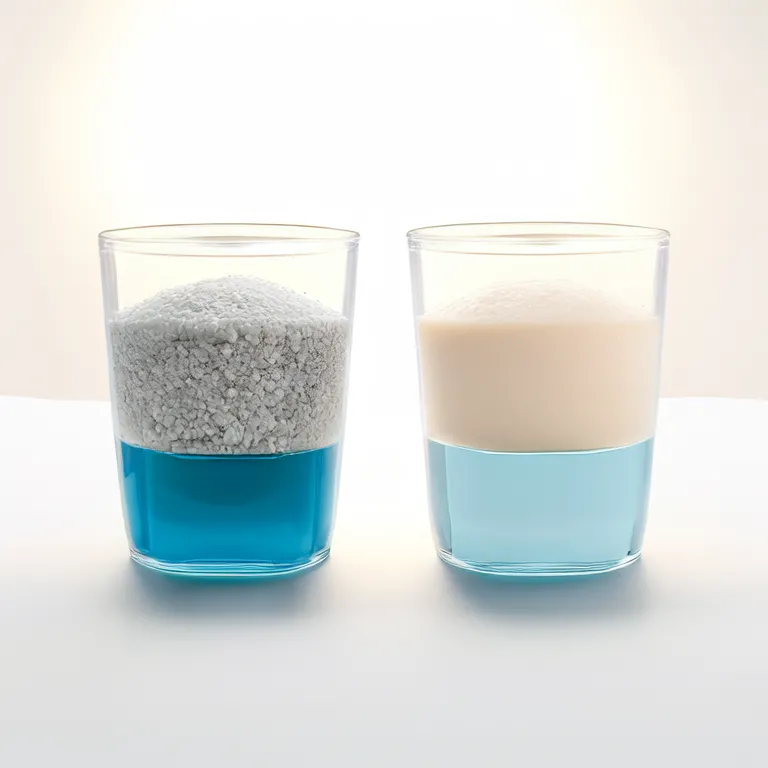
Why: A simple test can demonstrate the litter’s breakdown ability.
Operation method: Take a small sample of the litter, add it to a bowl of water, and stir periodically. Observe how quickly it dissolves—litters that break down within 10-15 minutes are generally safer.
This method is effective for cautious users who are looking for immediate verification without relying solely on manufacturer claims.
Why: Some ingredients can be harmful to plumbing.
Operation method: Review the ingredient list on the packaging. Avoid any litters containing synthetic additives and non-biodegradable materials.
This approach is particularly suitable for environmentally conscious users who want a product that aligns with sustainability goals.
Why: Regulations can influence what is flushable.
Operation method: Check with your local waste management authority regarding guidelines on flushing pet waste and litter. Some regions may have specific regulations that need to be adhered to.
Why: Regular monitoring can prevent future issues.
Operation method: After using a new litter for a few weeks, flush the toilet while observing any signs of slow drainage or blockages. Early detection can save on costly plumbing expenses.
This recommendation is ideal for cat owners who can track their plumbing performance and want to be proactive in preventing clogs.
Testing your flushable cat litter for toilet safety involves careful brand research, simple at-home tests, ingredient analysis, adherence to local regulations, and consistent plumbing observation. Brands like Petcare provide promising options, but due diligence is essential to avoid costly issues.
Q: Can I flush all types of cat litter?
A: No, only litters specifically labeled as flushable and verified for toilet safety should be flushed.
Q: What should I do if my litter clogs the toilet?
A: Immediately stop flushing, try to remove the litter using a plunger, and consult a plumber if needed.
Q: How can I tell if my cat litter is environmentally friendly?
A: Look for certifications and research the brand’s sustainability practices. Choosing litters made from natural materials can be a good start.
Latest Blog / Insights
Hot Products


Let’s Get Started on Your Cat Litter Journey.