How to Source Cat Litter for Your Private Label Brand
Feb. 10, 2026
Share:
In recent years, the global pet industry has experienced rapid growth, especially in the cat care sector. As cat ownership continues to rise and consumers become more discerning, retailers, importers, and online sellers are increasingly turning to private label cat litter to strengthen brand identity and boost profit margins.
Private label allows businesses to customize formulas, packaging, and positioning to meet market demands. Whether targeting eco-conscious buyers with tofu cat litter or offering affordable bentonite cat litter for budget markets, a private label strategy provides the flexibility to stand out.
However, the success of a private label program depends on partnering with the right cat litter manufacturer. A reliable partner ensures consistent product quality, timely delivery, and complete OEM/ODM support, which are crucial for long-term brand growth.
Before sourcing cat litter for a private label, it's essential to understand the manufacturing process and how it differs from standard OEM products.
A private label product is manufactured by a supplier but sold under your own brand name. You control packaging design, branding, and specifications, while the manufacturer handles production and quality testing.
For B2B buyers—including distributors, retailers, and e-commerce brands—private labeling offers several advantages:
Higher margins: Eliminate unnecessary intermediaries and control your pricing structure.
Brand differentiation: Customize packaging, scents, and formulations to stand out.
Market flexibility: Adapt quickly to trends like eco-friendly, biodegradable, or dust-free cat litter.
Private labeling enables the creation of a cat litter brand that aligns with your business goals, while your manufacturer ensures consistent production and quality.
Selecting the right litter type is one of the most critical decisions when sourcing for a private label brand. Different materials suit different market segments and brand identities.
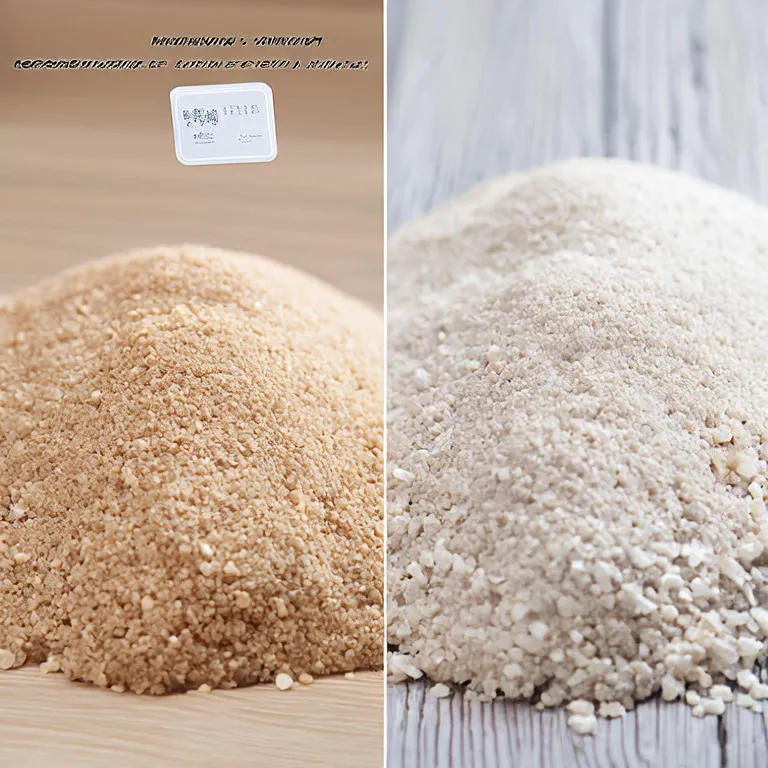
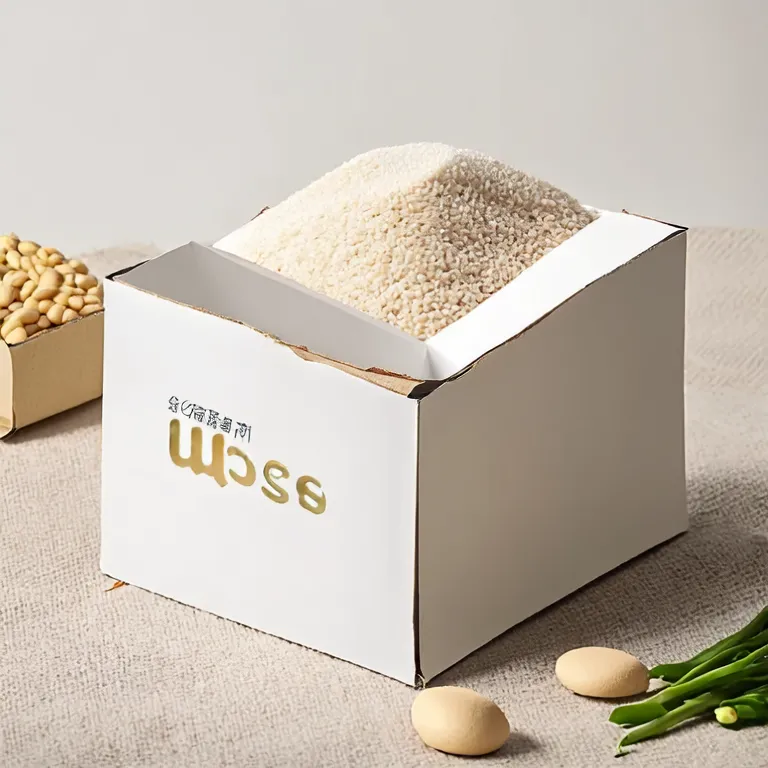
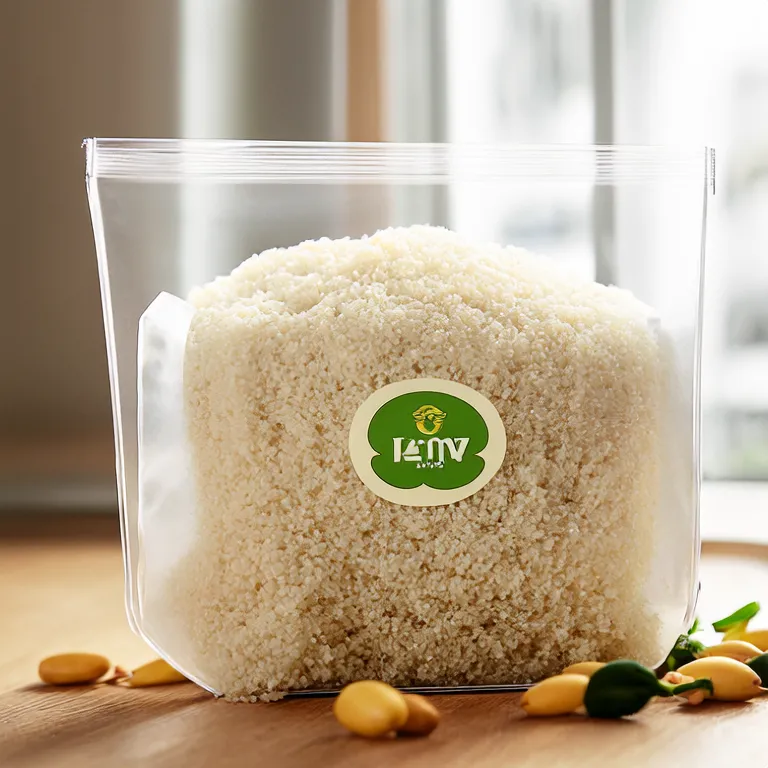
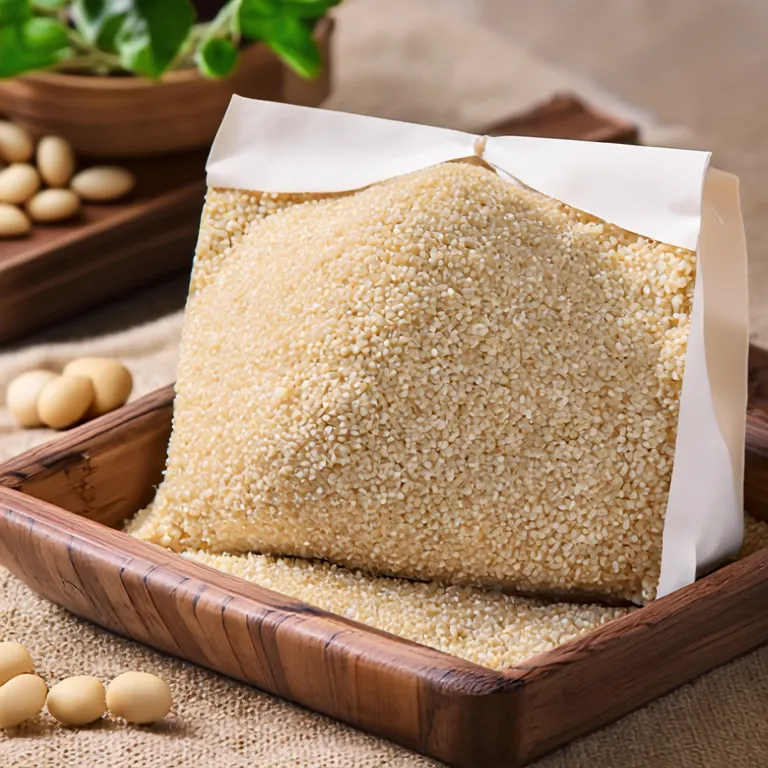
Made from soybean residue, tofu cat litter is eco-friendly, flushable, and lightweight. It clumps quickly and absorbs odors effectively, making it ideal for premium or eco-conscious brands.
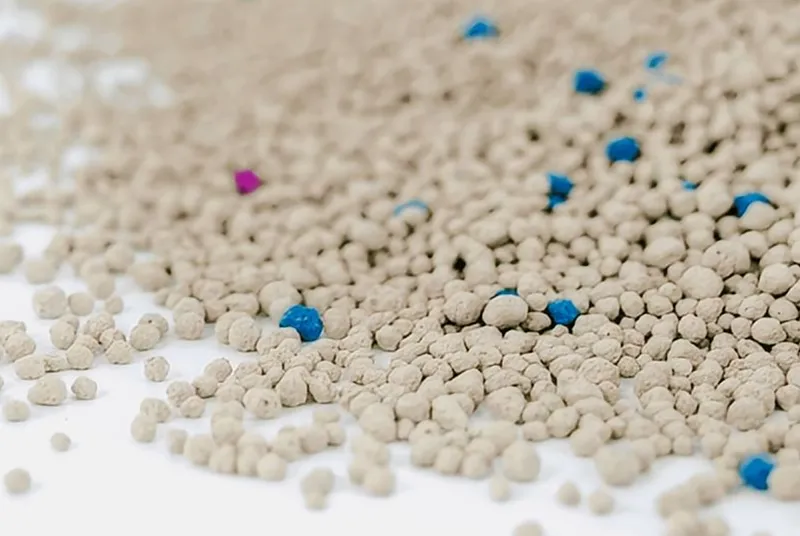
Bentonite clay litter is traditional and cost-effective, offering strong clumping and odor control. It's a good choice for mass-market lines targeting affordability and reliability.
Crystal cat litter uses silica gel beads that absorb moisture efficiently and last longer between changes. It’s low-dust, easy to maintain, and well-suited for high-end retail or e-commerce brands.
These biodegradable materials are made from renewable sources. Both types offer clumping abilities and are flushable, appealing to natural or organic-themed private labels.
Eco-conscious markets (EU, Japan): Tofu, cassava, or corn cat litter
Mass-market (Asia, Latin America): Bentonite cat litter
High-end e-commerce: Crystal or mixed cat litter
By selecting the right litter type, your private label brand can appeal to the target audience and establish a solid market position.

Once you've chosen your product type, the next step is finding a reliable cat litter manufacturer. An experienced OEM/ODM supplier ensures consistent quality, scalable production, and smooth export operations.
Review the factory's production scale, automation level, and raw material sourcing. Look for:
Stable raw material supply
Automated production lines
Proven ability to handle large-volume private label orders
Quality is crucial for your brand's reputation. Ensure your supplier provides:
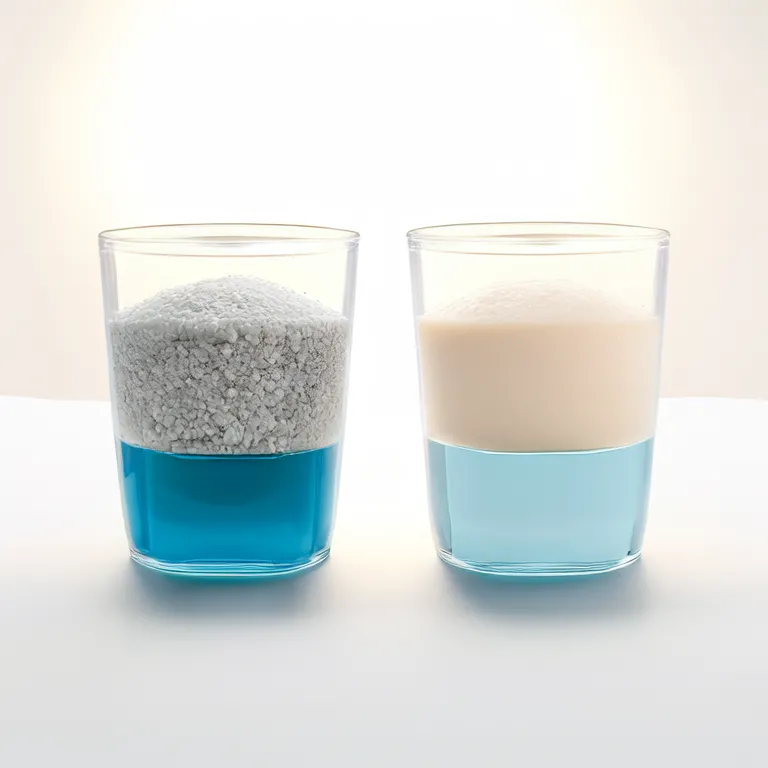
Clumping and absorption tests
Dust and moisture control systems
Chemical and heavy metal inspections
Look for international certifications like ISO, SGS, and MSDS, which reflect the manufacturer’s commitment to quality.
A manufacturer experienced in private label projects can support your branding, formula, and packaging needs.
Reliable sourcing is about partnership, not just the lowest price. Consistent cooperation ensures a stable supply and priority production.
Customization is key to the success of any private label brand. Working with a manufacturer allows you to create products that reflect your market and brand identity.
Materials: Choose from tofu, bentonite, cassava, crystal, or blends.
Fragrance: Options like green tea, coffee, lavender, charcoal, or unscented.
Additives: Activated carbon, antibacterial agents, deodorizing beads.
Packaging Sizes: From 2.5 kg retail bags to 10 kg bulk options.
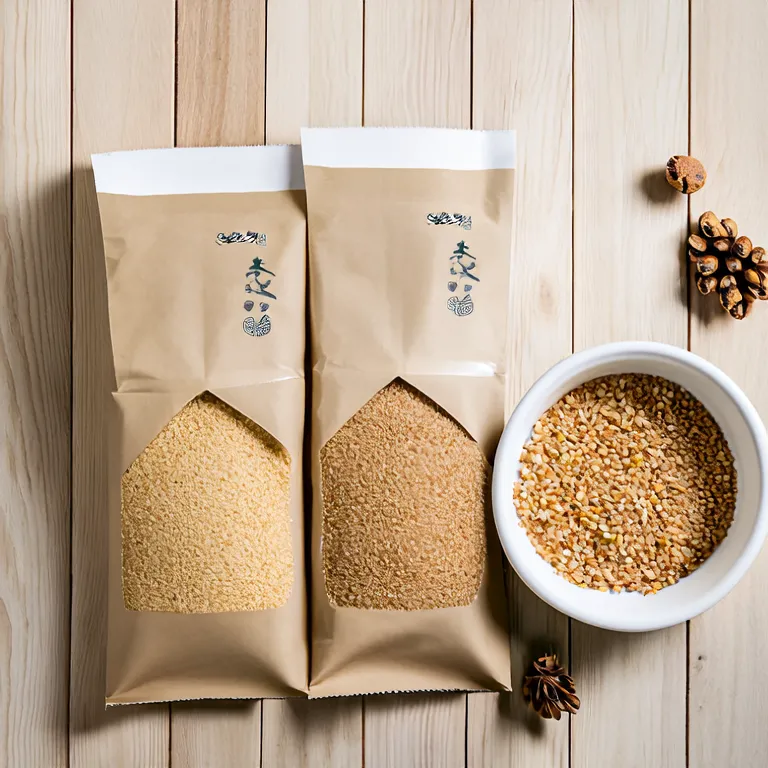
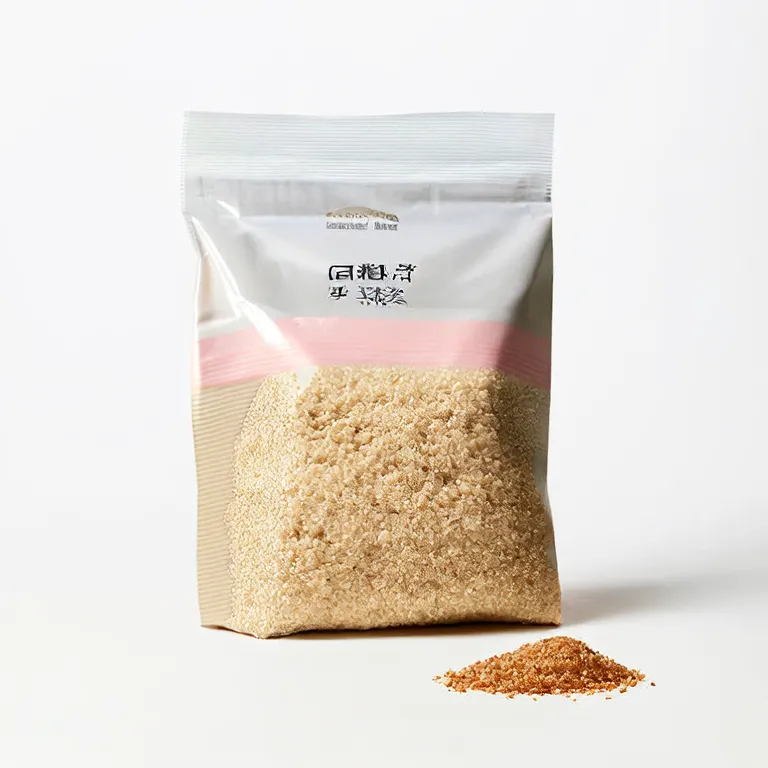
Packaging affects brand perception. Customize packaging with options like:
Recyclable materials
Flat-bottom, zipper, or handle bags
Multilingual design and full-color printing
For B2B brands, profitability depends on managing costs and supply chain efficiency. Key cost factors include:
Raw materials like bentonite clay or soybean fiber fluctuate seasonally. Ensure your supplier has long-term partnerships for price stability.
Customized packaging can increase costs but enhances brand value. Look for flexible design solutions that balance quality and budget.
Most manufacturers require a minimum order of 10–20 tons or 1,000–3,000 bags per SKU. Some manufacturers offer flexible MOQ options for trial runs or new product launches.
Cat litter is a heavy product, so efficient logistics are essential. Ensure your supplier offers cost-effective shipping solutions to control freight costs.
Partnering with an experienced cat litter manufacturer gives you a competitive edge. A reliable supplier ensures raw material control, advanced production processes, and export expertise.
Ensure stable sourcing of high-quality raw materials, whether bentonite clay or plant-based fibers, for consistent product performance.
Automated production lines and strict quality control systems guarantee batch consistency.
A professional manufacturer supports every step of your private label project—from product formulation to export documentation.
A reliable supplier understands international regulations and helps navigate customs and compliance efficiently.
Working with an experienced manufacturer builds long-term partnerships and ensures consistent quality for your brand.
| Capability | PetCare Support | Buyer Benefit |
|---|---|---|
| Production capacity | 20 automated lines | Supports large-volume orders |
| Product range | Bentonite, tofu and mixed litter | Multiple market positions |
| Customization | Formula, fragrance, particle size and packaging | Build differentiated SKUs |
| Sample support | Free samples available | Lower evaluation risk |
| Export support | FOB/CIF and international supply experience | Easier import process |
| Packaging | Multiple custom bag structures | Adapt to retail channels |
Creating a private label cat litter brand is a strategic move to grow your business. Long-term success depends on sourcing reliable cat litter manufacturers with strong quality control, customization options, and export experience.
By focusing on raw material control, production capabilities, quality assurance, and supplier flexibility, you can build a scalable, successful private label program. Partnering with a trusted manufacturer ensures that your products meet customer expectations and provide the consistency needed for sustainable growth.
Latest Blog / Insights
Hot Products


Let’s Get Started on Your Cat Litter Journey.