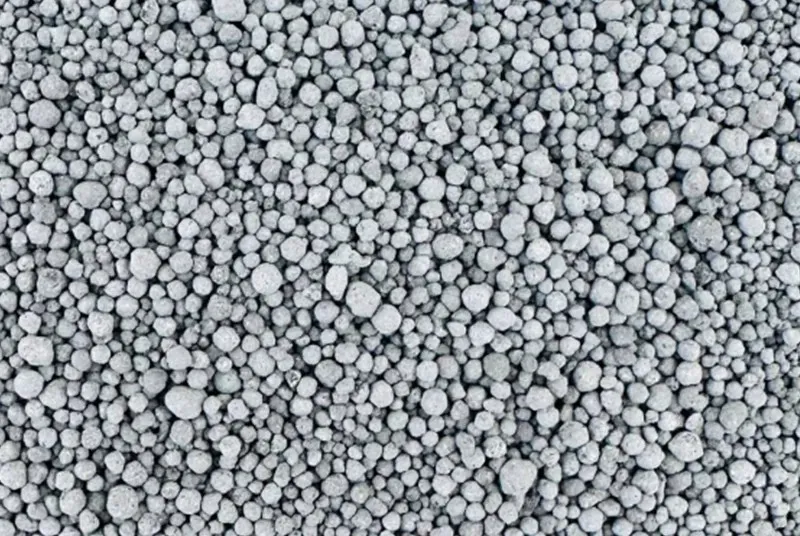
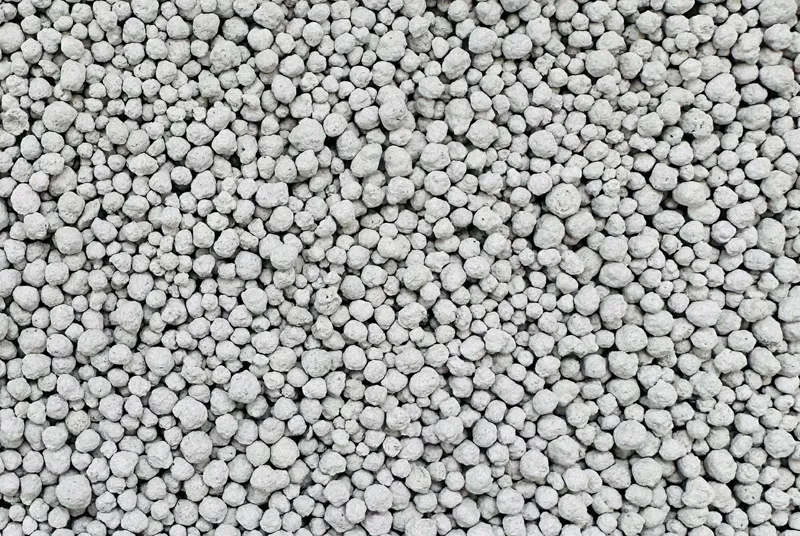
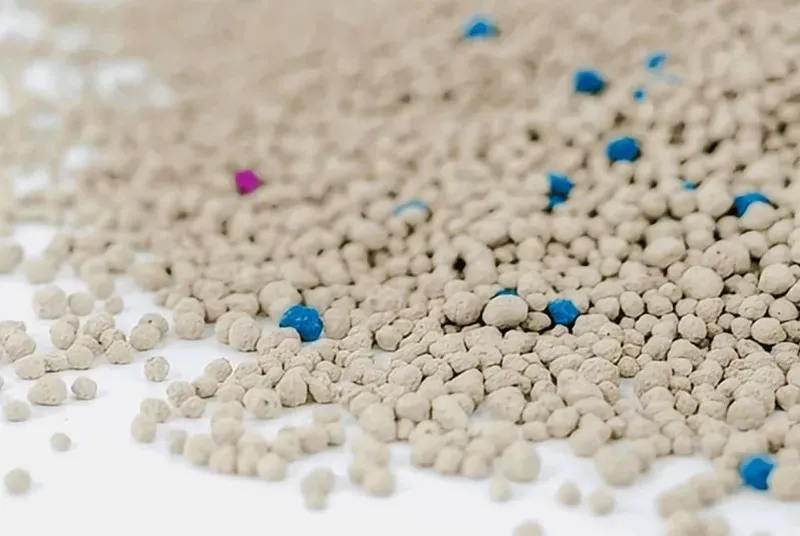
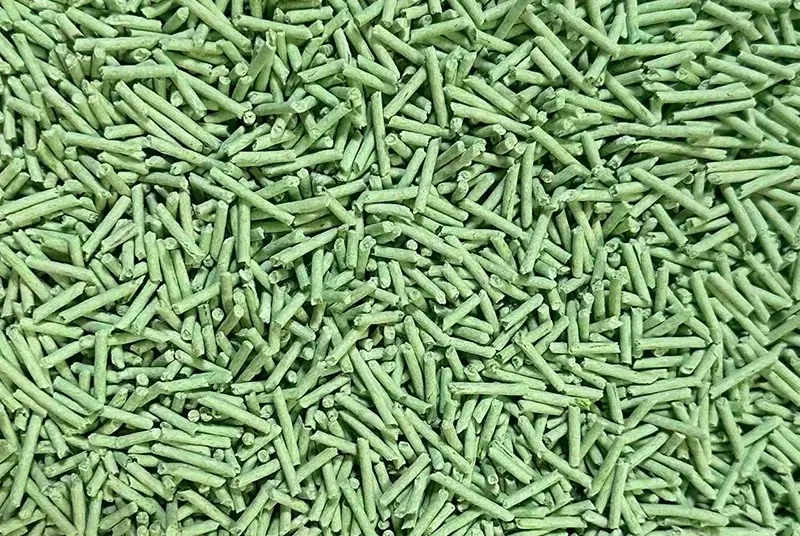
A reliable cat litter factory must control every stage of production, from raw material selection to final shipment. For buyers, the main concern is not only whether the litter clumps well or controls odor, but also whether the product is safe for cats, handlers, households, and retailers. Petcare uses documented production controls, laboratory testing, traceability systems, and packaging inspections to help purchasing teams reduce product complaints and supply chain risks.

Buyers first need proof of consistent quality and safety
Purchasing teams want more than attractive product claims
Google searchers looking for cat litter manufacturing standards are usually trying to solve practical purchasing problems. They need evidence that a supplier can deliver the same performance in every shipment, meet local regulations, and respond quickly when a quality issue occurs.
The most common purchasing concerns include:
- Inconsistent clumping strength between production batches.
- Excessive dust that may affect cats, staff, or consumers.
- Unpleasant or artificial fragrance complaints.
- Unclear raw material origins.
- Heavy metal, microbial, chemical, or foreign material risks.
- Packaging that leaks, breaks, or absorbs moisture.
- Missing test reports, safety data sheets, or regulatory documents.
- Long-term supply instability and weak complaint handling.
Quality must be defined by measurable product parameters
A manufacturer should convert general claims such as premium, low dust, and strong clumping into measurable specifications. A purchasing agreement should clearly identify the expected limits for each product type.
- Particle size distribution.
- Moisture content.
- Bulk density.
- Clump formation time.
- Clump strength after a defined waiting period.
- Dust level or dust emission result.
- Odor absorption performance.
- Absorption capacity.
- Color and appearance.
- Fragrance type and fragrance concentration, if applicable.
- Bag weight tolerance.
- Package sealing strength.
Manufacturers qualify raw materials before production begins
First step: identify and approve every raw material supplier
The first step is to create an approved supplier list for bentonite, silica, tofu, corn, cassava, wood, paper, activated carbon, fragrances, binders, additives, and packaging materials. Each supplier should be evaluated before commercial production begins.
- Collect the supplier company profile and manufacturing address.
- Review the source and geological or agricultural origin of the material.
- Request a technical data sheet and safety data sheet.
- Request recent laboratory test reports for relevant hazards.
- Confirm the supplier's production capacity and delivery history.
- Inspect a representative sample rather than approving the supplier from photographs alone.
- Assign the supplier an approval status, such as approved, conditional, or rejected.
Second step: inspect incoming materials against written specifications
Every incoming lot should be assigned a lot number and checked before it enters the production area. The inspection should compare the delivery with the approved specification, purchase order, certificate, and retained reference sample.
- Check the external condition of bags, cartons, pallets, and containers.
- Confirm the lot number, production date, expiry information, and quantity.
- Inspect color, smell, texture, and visible contamination.
- Measure moisture content where moisture affects clumping or microbial stability.
- Check particle size and foreign material levels.
- Verify that additives and fragrances match the approved formula.
- Quarantine materials that fail inspection until a quality decision is recorded.
Third step: control special risks for each litter material
Different litter materials have different quality risks. A professional manufacturer adjusts its incoming inspection plan according to the formula instead of using one generic checklist for every product.
- Bentonite litter: Check clumping behavior, swelling performance, moisture, particle size, dust, and possible mineral contamination.
- Silica gel litter: Check crystal size, moisture absorption, color consistency, dust, and foreign particles.
- Tofu and plant-based litter: Check agricultural raw material quality, moisture, microbial risk, odor, pellet strength, and biodegradation claims.
- Wood litter: Confirm the wood source, moisture, resin risk, particle size, and absence of prohibited treated wood.
- Fragranced litter: Verify fragrance identity, dosage, allergen information, and compatibility with the approved formula.
- Activated carbon products: Check carbon content, particle distribution, odor performance, and contamination controls.
Production lines use controlled processes to protect product consistency
First step: issue a controlled formula and production instruction
Before production, the quality or technical department should release a controlled formula. The document should identify the exact material name, percentage, order of addition, mixing time, temperature limits, granulation settings, drying conditions, and packaging requirements.
Only the current approved version should be available to operators. Obsolete formulas should be removed from the production area to prevent accidental use.
Second step: control batching and mixing accuracy
Batching errors can change absorption, clumping, odor control, and dust performance. The operator should record the actual weight of each ingredient instead of relying only on the planned recipe.
- Verify the production order and formula version.
- Check that every raw material has passed incoming inspection.
- Calibrate or verify the weighing scale before batching.
- Weigh each ingredient separately.
- Record the planned weight and actual weight.
- Add ingredients in the approved sequence.
- Run the mixer for the specified time and speed.
- Take a representative sample from the mixed material.
- Release the mixture only after the in-process check is accepted.
Third step: control granulation, drying, and screening
Granulation and drying directly influence pellet strength, moisture, dust, and clump formation. The manufacturer should monitor the operating conditions instead of checking only the finished product.
- Monitor granulator speed and feed rate.
- Control drying temperature and residence time.
- Measure moisture after drying.
- Use screens to remove oversized particles and excessive fines.
- Recycle or dispose of off-specification material according to a documented procedure.
- Prevent wet and dry material from being mixed without approval.
- Clean equipment between formulas to prevent cross-contamination.
Fourth step: separate production zones and protect hygiene
Even non-food products require effective housekeeping and contamination prevention. Dust, pests, lubricants, cleaning chemicals, and mixed raw materials can reduce product safety and customer confidence.
A controlled factory should provide:
- Clearly marked raw material, production, finished goods, and rejected goods areas.
- Routine cleaning schedules for floors, conveyors, mixers, and packing equipment.
- Pest monitoring and corrective action records.
- Restricted access to formulation and testing areas.
- Separate storage for fragrances, chemicals, and packaging materials.
- Protective equipment for employees working in dusty areas.
- Written procedures for spills, equipment failures, and contamination events.
Manufacturers verify performance with laboratory and in-process testing
Required tools for cat litter quality inspection
A purchasing team should ask which instruments and test methods are used. The exact equipment depends on the material and market, but a serious quality system normally includes the following tools:
- Calibrated digital scales for raw materials and finished bags.
- Moisture analyzer or controlled oven.
- Particle size sieve set.
- Dust measurement equipment or a defined dust comparison method.
- Absorption testing containers and graduated cylinders.
- Clump strength testing tools or a standardized clump test fixture.
- Bulk density cylinder.
- Thermometer and humidity meter.
- Packaging seal strength tester.
- Compression or drop testing equipment for shipping packages.
- pH testing tools where relevant to the formula.
- Sample bags, labels, and retained sample storage cabinets.
- External laboratory services for chemical, microbial, or heavy metal testing when required.
First step: create a representative sample plan
Testing is only useful when the sample represents the entire lot. A factory should define how many bags, cartons, or production points are sampled and how samples are combined or tested separately.
- Define the lot size and lot identification number.
- Choose samples from different points in the production run.
- Do not sample only the first or easiest package to access.
- Mix incremental samples when a composite sample is appropriate.
- Retain separate samples for appearance and future investigation.
- Label every sample with product name, lot number, date, and tester.
Second step: test physical performance
Physical testing should confirm whether the product performs as promised under repeatable conditions. The test method should remain the same from batch to batch so results can be compared accurately.
- Absorption: Add a defined volume of liquid to a defined weight of litter and record the absorbed amount.
- Clumping speed: Record the time required for a stable clump to form.
- Clump strength: Test whether the clump remains intact after lifting, turning, or applying a defined load.
- Dust: Use a consistent agitation or transfer method and record visible or measured airborne dust.
- Particle size: Separate the sample through standard sieves and compare the percentage in each size range.
- Moisture: Measure the sample using a verified method and compare the result with the specification.
- Bulk density: Fill a calibrated container without excessive compression and calculate the weight per unit volume.
Third step: arrange independent safety testing when necessary
Some safety risks cannot be confirmed by routine factory checks. Depending on the formulation, destination market, and customer requirements, the manufacturer may need an accredited third-party laboratory.
Possible external tests include:
- Heavy metal screening.
- Microbiological testing for plant-based or organic materials.
- Formaldehyde or other restricted substance testing where applicable.
- Fragrance allergen review.
- Material safety testing for additives and coatings.
- Packaging ink and adhesive compliance review.
- Regulatory testing required by the destination country.
Buyers should confirm the laboratory name, test date, tested sample identity, method used, result, and pass or fail conclusion. A generic certificate without product and lot information provides limited protection.
Packaging and labeling controls prevent safety and logistics problems
First step: verify the package structure and sealing performance
Packaging must protect the litter from humidity, contamination, leakage, and physical damage. A product that passes factory testing can still fail during transportation if the bag structure or seal is weak.
- Confirm the packaging material and thickness against the approved specification.
- Check printing quality, color, barcode, and artwork version.
- Inspect the bag opening and heat seal.
- Test seal strength at defined intervals.
- Perform drop or compression tests for shipping cartons and retail bags.
- Check for pinholes, delamination, wrinkles, and incomplete seals.
- Store finished packages away from rain, direct sunlight, and excessive humidity.
Second step: review mandatory product information
Labels should be reviewed by both quality and regulatory personnel before printing. Requirements vary by country, so buyers should approve the final artwork for every destination market.
Common label information includes:
- Product name and litter material.
- Net weight in the required units.
- Usage instructions.
- Storage conditions.
- Disposal instructions.
- Warning statements where applicable.
- Fragrance or ingredient information where required.
- Manufacturer or responsible company information.
- Country of origin.
- Batch or lot number.
- Production date or best-before information where applicable.
- Barcode and shipping marks.
Third step: connect every package to a production record
Traceability allows a supplier to identify affected goods quickly instead of recalling every product. The lot number should connect the finished bag to the formula, raw material lots, production date, operators, test results, packaging materials, and shipment records.
Ask the supplier to demonstrate a mock traceability exercise. The supplier should be able to answer:
- Which raw material lots were used in a specific shipment?
- Which test results released the batch?
- Which other customers received the same lot?
- How many bags remain in warehouse stock?
- What corrective action would be taken if a defect were discovered?
Purchasing teams should audit suppliers before placing large orders
First step: request a complete supplier document package
Before approving a cat litter factory, the purchasing team should request documents that show how quality is managed. The documents should be current and related to the actual product being purchased.
- Company and factory profile.
- Product technical data sheet.
- Safety data sheet where applicable.
- Raw material specifications.
- Recent product test reports.
- Quality management certificates, if available.
- Production process flow chart.
- Inspection and testing plan.
- Sample certificate of analysis.
- Packaging specifications.
- Complaint and recall procedure.
- Corrective and preventive action procedure.
- Social responsibility and environmental documents when required.
Second step: audit the production and warehouse areas
A remote document review is useful, but an audit or live video inspection provides stronger evidence. The buyer should compare the written procedure with actual factory practices.
Important audit points include:
- Raw material identification and quarantine controls.
- Scale calibration records.
- Formula and production record control.
- Equipment cleaning and maintenance records.
- In-process testing frequency.
- Finished product release procedure.
- Rejected material management.
- Warehouse humidity and pest controls.
- Employee training records.
- Traceability from finished product to raw material.
- Handling of customer complaints and returns.
Third step: approve samples through a controlled trial order
A sample approval should not be based only on appearance. The buyer should test the sample under realistic household or retail conditions and compare it with the agreed specification.
- Receive samples with a clear lot number and product description.
- Record the sample weight, packaging condition, and delivery time.
- Test absorption, clumping, odor, dust, tracking, and ease of cleaning.
- Evaluate the product with the intended cat litter box type.
- Compare performance with the approved reference sample.
- Record all deviations and request corrective action.
- Approve the product in writing before mass production.
- Repeat testing after the first commercial production run.
Manufacturers manage complaints through corrective action
First step: classify the complaint by risk and urgency
Not every complaint has the same significance. A broken handle and a suspected contamination issue should not follow the same response time.
- Critical: Suspected chemical contamination, foreign material, serious injury, incorrect hazardous labeling, or widespread product failure.
- Major: Severe dust, repeated leaking bags, weak clumping, incorrect weight, or significant odor problems.
- Minor: Small print defects, slight color variation, or isolated cosmetic damage.
Second step: investigate the root cause
A proper investigation should review retained samples, production records, raw material lots, test results, packaging records, shipping conditions, and customer photos or videos.
- Record the complaint date, customer, product, lot number, and quantity affected.
- Secure samples from the customer and warehouse when possible.
- Compare the complaint sample with the retained factory sample.
- Review raw material and production records.
- Repeat the relevant laboratory or performance test.
- Identify whether the cause was material, machine, method, worker, measurement, or transport related.
- Document the root cause and evidence.
Third step: apply and verify corrective action
Corrective action should address the cause, not only replace the defective goods. Possible actions include changing a supplier, adjusting drying conditions, improving screening, recalibrating scales, revising packaging materials, retraining staff, or adding an extra release test.
The action should have an owner, deadline, completion record, and effectiveness check. Buyers should ask for this information when repeated defects occur.
Common mistakes can weaken an otherwise capable manufacturer
Mistake one: relying on a single certificate
A certificate does not prove that every shipment is identical. Buyers should review current lot testing, production controls, traceability, and retained sample procedures in addition to certificates.
Mistake two: testing only the finished product
Finished product testing may detect a failure but may not explain its cause. Incoming raw material checks and in-process inspections are necessary to prevent problems before the goods are packed.
Mistake three: changing raw materials without buyer approval
A cheaper mineral, different plant source, new fragrance, or alternative packaging film can change performance and compliance status. Any material substitution should go through documented evaluation and written approval.
Mistake four: using inconsistent test methods
Results cannot be compared when one batch is tested with a different liquid volume, waiting time, sample weight, or humidity condition. The factory and buyer should agree on the test method before commercial production.
Mistake five: ignoring transportation and storage conditions
Moisture can affect clumping, odor, pellet strength, and dust. Finished products should be protected from rain, condensation, extreme humidity, and damaged pallets throughout storage and transportation.
Mistake six: making unsupported safety or environmental claims
Claims such as non-toxic, flushable, biodegradable, natural, and chemical-free may have legal and technical implications. Manufacturers should make only claims supported by appropriate evidence and allowed in the destination market.
Mistake seven: failing to retain reference samples
Without retained samples, it is difficult to determine whether a customer complaint was caused by production, storage, transportation, or use conditions. Each production lot should have clearly labeled samples stored for an appropriate period.
A practical buyer checklist makes supplier approval easier
Use this step-by-step purchasing checklist
- Define the product type, target market, packaging format, and performance requirements.
- Request the factory profile, specifications, safety documents, and recent test reports.
- Check the source and inspection procedure for every major raw material.
- Review the production flow, quality control plan, and traceability system.
- Inspect the factory through an on-site audit or live video audit.
- Receive samples with lot information and test them using agreed methods.
- Complete a controlled trial order before approving a large shipment.
- Confirm packaging strength, label compliance, palletization, and storage conditions.
- Agree on acceptable quality limits and inspection standards in the purchase contract.
- Set a procedure for complaints, replacement, investigation, and corrective action.
- Review quality performance after each shipment instead of approving the supplier permanently.
Define the required acceptance criteria in writing
A strong purchase specification should include measurable limits rather than subjective descriptions. It should state the approved product name, formula version, package size, tolerances, testing method, inspection frequency, and response required when a result fails.
The buyer should also define:
- Acceptable weight deviation.
- Maximum moisture level.
- Particle size range.
- Maximum dust level.
- Minimum clump strength.
- Minimum absorption performance.
- Packaging defect limits.
- Required documentation for every shipment.
- Conditions for shipment release or rejection.
When these requirements are written before production, both the buyer and supplier have the same understanding of quality. This reduces disputes and makes inspection results easier to interpret.
Reliable quality control creates a safer long-term supply relationship
Why a documented system matters to buyers
Quality and safety are not created by one final inspection. They result from controlled materials, repeatable manufacturing, verified testing, compliant packaging, employee training, and traceable records. Purchasing teams that review the complete system can reduce product returns, protect their brand reputation, and make supply planning more predictable.
The best supplier is not simply the one offering the lowest unit price. It is the manufacturer that can explain each production step, provide reliable evidence, identify problems quickly, and improve the process when a defect occurs.
From incoming material inspection to final shipment review, Petcare applies a structured approach to help buyers source dependable products. A capable cat litter factory should make quality visible through clear specifications, detailed test records, traceability, and consistent communication.