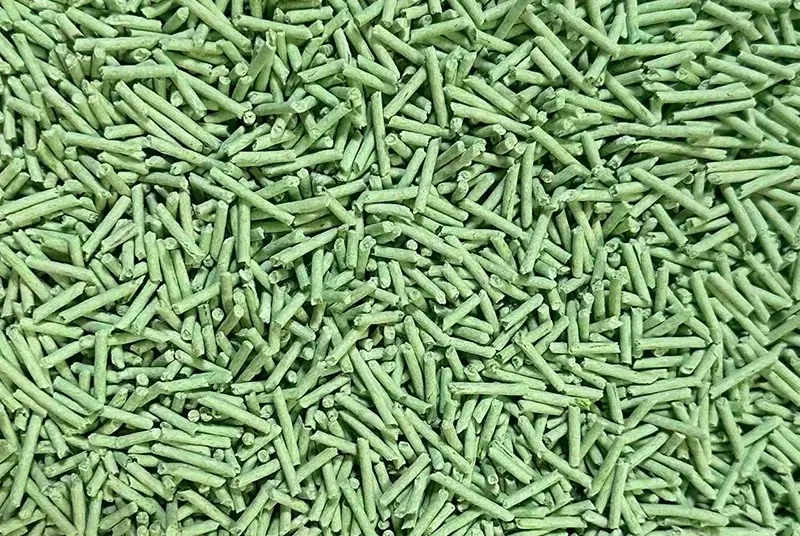
Modern cat owners want a litter that controls odor, feels comfortable for cats, and creates less household waste. Flushable cat litter, biodegradable cat litter, and low dust cat litter are now popular search terms because they match these daily needs. Tofu litter is made from plant-based materials and forms easy-to-remove clumps. Its lightweight texture can also make carrying and storage simpler. For many homes, this means less plastic packaging waste and a faster cleaning routine. However, users should always check local plumbing rules before flushing any cat litter.
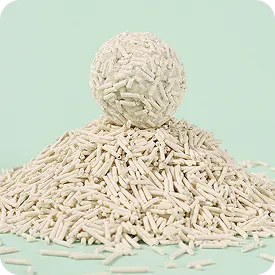
Tofu cat litter is usually made from pea fiber, corn fiber, soybean fiber, or other plant materials. The result is a natural cat litter with a soft texture and useful absorbency. When produced correctly, it can offer odor control, fast clumping, and low tracking. These features make it suitable for homes, multi-cat households, retailers, and overseas distributors looking for sustainable pet products.

1. Why Are Cat Owners Switching to Flushable Tofu Cat Litter?
Traditional clay litter remains common, but it can be heavy, dusty, and difficult to dispose of. Many cat owners also dislike placing large amounts of used litter into household trash every week. Tofu cat litter addresses these concerns through plant-based ingredients, compact clumps, and a lighter package.
Less Waste in the Daily Cleaning Routine
With a clumping tofu formula, urine forms a firm mass that can be removed without replacing all the litter. This helps reduce clean litter waste. Some households may flush small clumps when local plumbing rules allow it, while other households may place them in a compostable waste bag or normal waste stream.
A Cleaner Experience for People and Cats
Good tofu litter produces less airborne dust than many basic mineral litters. Lower dust can help keep floors, furniture, and litter box areas cleaner. Its soft granules are also gentle on sensitive paws. A low dust formula is especially useful for kittens, senior cats, and indoor cats that use the box several times a day.
2. What Are the Main Benefits of Flushable Tofu Cat Litter?
The value of tofu litter depends on more than the word flushable. A reliable product should balance absorbency, clump strength, odor control, tracking, safety, and package stability. The following benefits explain why this product is gaining attention in global pet care markets.
Plant Based and Biodegradable Material
Tofu litter uses plant fiber instead of clay as its main absorbent material. Plant fiber can break down more easily under suitable conditions. This makes tofu litter an attractive choice for customers who want biodegradable cat litter and more responsible household products.
Biodegradable does not mean that every product can be placed in every compost system. Additives, moisture, local waste rules, and processing conditions affect the final result. Buyers should ask the manufacturer for an ingredient list, safety data, and disposal guidance.
Fast Clumping and Simple Scooping
Tofu particles absorb liquid quickly and form clumps that are easy to lift. Strong clumping helps users remove waste without breaking the mass apart. This can extend the useful life of the remaining litter and reduce the frequency of full box changes.
Natural Odor Control
Plant fiber absorbs moisture, which is the first step in reducing unpleasant smells. Some tofu formulas also include activated carbon, green tea, or other odor-control materials. Customers who prefer fragrance-free products can choose an unscented version. Retailers should offer clear information about fragrance strength and ingredient content.
Lightweight Handling
Tofu litter is often lighter than traditional clay litter. A 6 liter or 12 liter package may be easier for customers to carry from a warehouse, car, or store shelf. Lower package weight can also support more efficient transport planning, although the final shipping benefit depends on package size, density, and container loading.
3. Flushable Tofu Cat Litter Compared with Other Litter Types
No litter is perfect for every cat or every plumbing system. The table below gives a practical comparison for buyers and distributors. Product performance can vary by formula, particle size, production method, and user habits.
| Litter type | Main material | Clumping | Dust potential | Waste profile | Best use case |
|---|---|---|---|---|---|
| Tofu litter | Plant fiber | Fast and firm | Low when well made | Biodegradable options available | Eco focused homes and retail brands |
| Clay litter | Bentonite or mineral | Usually strong | Medium to high by formula | Heavy waste and mineral content | Value focused buyers |
| Wood litter | Wood fiber | Varies by design | Low to medium | Plant based disposal options | Natural product shoppers |
| Recycled paper | Usually weak | Low | Recycled material profile | Post surgery or sensitive cats | |
| Silica gel litter | Silica crystals | Usually non clumping | Low to medium | Mineral based disposal | Long use between changes |
4. How to Use Flushable Tofu Cat Litter Correctly
Correct use improves odor control and helps prevent plumbing problems. Flushability should be treated as a conditional feature, not a universal promise. A small amount of litter may be acceptable in some sewage systems but unsuitable for septic tanks, private treatment systems, old pipes, or low-flow toilets.
Step by Step Disposal Flow Chart
- Check local wastewater, toilet, and septic system guidance.
- Remove solid waste and allow the clump to dry slightly.
- Flush only a small amount if local rules permit it.
- Use a normal water cycle and never flush a large quantity at once.
- Watch for slow drainage or backup after disposal.
- Stop flushing and use another waste method if any plumbing problem appears.
Simple flow: Check local rules, then scoop, then flush a small amount only when permitted, then monitor drainage. If flushing is not approved, place waste in a suitable sealed waste bag according to local regulations.
How Much Litter Should Be Flushed?
There is no single amount that is safe for every home. Pipe diameter, water pressure, toilet design, and wastewater treatment all affect the result. For this reason, product packaging should avoid an unlimited flush claim. Clear instructions protect consumers and help distributors reduce complaints.
5. What Should Buyers Check Before Purchasing Tofu Cat Litter?
Consumers often focus on the word flushable, but product quality depends on several measurable details. Overseas buyers and distributors should request samples and review technical data before placing a large order.
Absorption and Clump Strength
Ask for an absorption test based on a fixed quantity of litter and liquid. The test should record how quickly the litter absorbs moisture and whether the clump stays together during scooping. A stable clump supports lower waste and cleaner litter boxes.
Dust and Tracking Performance
Fine particles can create dust during pouring. Very light particles may also track outside the box. Buyers should test the litter on different floor surfaces and measure visible dust after pouring, scooping, and shaking the box. A balanced particle size is more useful than an extremely fine texture.
Ingredient and Safety Information
Request a complete ingredient description, production date, shelf life, storage advice, and safety documentation. A fragrance-free option can serve sensitive cats and customers who avoid perfume. If the product contains activated carbon or botanical additives, these materials should be listed clearly.
Packaging and Moisture Protection
Plant-based litter can absorb moisture from the air. Weak packaging may lead to clumping inside the bag before use. Multi-layer bags, sealed inner packaging, and stable carton loading can help protect product quality during overseas transport. The package should also show net weight, use instructions, disposal advice, and batch information.
6. How Can Distributors Position Flushable Tofu Cat Litter?
Tofu litter can be marketed to several customer groups. The strongest message should connect a product feature to a clear daily benefit. For example, plant fiber supports an eco friendly product position, while fast clumping supports easier cleaning.
| Target customer | Main concern | Useful product message |
|---|---|---|
| Apartment cat owners | Indoor smell and waste storage | Fast clumping and convenient waste handling |
| Multi cat households | High daily use | Absorbency, odor control, and efficient scooping |
| Eco conscious buyers | Plastic and mineral waste | Plant fiber and biodegradable material options |
| Pet stores | Customer product comparison | Clear specifications and retail ready packaging |
| Online sellers | Shipping cost and product education | Lightweight packs, photos, and simple instructions |
Use Honest Flushability Claims
Trust is important in the pet care market. A responsible product description should explain that flushability depends on local plumbing and wastewater rules. It should not suggest that users flush entire trays, large amounts, or litter from multiple cats at the same time.
For international sales, packaging language may need to match the regulations of each market. Petcare can support distributors with product specifications, packaging options, and usage guidance for different sales channels.
7. Common Questions About Flushable Tofu Cat Litter
Is tofu cat litter really flushable?
Some tofu litter products are designed to break down more easily in water, but flushing is not suitable for every home. Users must check local rules and the condition of their plumbing. Septic systems and private wastewater systems may have stricter limits. When in doubt, use a sealed waste disposal method.
Can kittens use tofu cat litter?
Many kittens can use tofu litter because it has a soft texture and low dust potential. However, kittens may taste or swallow litter. Owners should monitor young cats and follow veterinary advice. An unscented formula is often a practical starting choice for sensitive animals.
Does tofu litter control odor?
Tofu litter can control odor by absorbing urine and forming clumps quickly. Performance depends on litter depth, box cleaning, ventilation, and the number of cats. For strong odor control, scoop daily and replace litter according to the product instructions.
Does tofu litter attract insects?
Any plant-based product may be affected by moisture and poor storage. Keep the bag sealed and store it in a cool, dry place. Do not leave wet litter in an open container. Good packaging and correct warehouse conditions help protect the product.
Is tofu litter safe for septic tanks?
Flushable and septic-safe are not the same claim. A septic tank may not process litter in the same way as a municipal sewer system. Customers with septic tanks should follow local guidance or avoid flushing litter. Packaging should make this limitation clear.
8. Why Choose Petcare for Private Label Tofu Cat Litter?
Petcare focuses on flushable tofu cat litter for international buyers, distributors, and private label customers. A successful supply program requires more than a basic formula. It requires stable raw materials, consistent granule size, reliable clumping, protective packaging, and clear documentation.
Before cooperation, buyers can define their target market, preferred particle size, fragrance choice, package weight, bag material, carton design, and disposal instructions. Sample testing can then compare dust, absorption, odor control, tracking, and clump strength.
For distributors, a clear product story can improve customer understanding: plant-based fiber, lower dust, fast clumping, easier scooping, and responsible disposal guidance. These points are simple, measurable, and suitable for product pages, store shelves, and online listings.
Buyer checklist: Confirm material, absorption, clump strength, dust level, package protection, shelf life, labeling, testing documents, minimum order quantity, and shipping performance before final purchase.
Conclusion: Is Flushable Tofu Cat Litter the Right Choice?
Flushable tofu cat litter is a practical option for modern cat owners who want easier scooping, lower dust, plant-based materials, and a lighter waste routine. Its strongest benefits are fast clumping, natural absorbency, and a biodegradable product direction. The flushable feature must always depend on local plumbing and wastewater conditions.
For overseas buyers and distributors, the best product is one that combines stable quality with honest instructions. Petcare helps businesses develop tofu cat litter solutions that meet daily consumer needs while supporting clear, responsible product communication. When formula, packaging, testing, and disposal guidance work together, tofu cat litter can become a strong choice in the growing sustainable pet products market.