Flushable Cat Litter Guide: Types, Benefits and Usage Tips
Nov. 11, 2026
Share:
Choosing flushable cat litter requires more than selecting a product labeled “biodegradable.” We recommend a structured process: identify your cat’s needs, compare litter materials, verify clumping and dissolution performance, confirm local wastewater rules, introduce the litter gradually, and flush only small, appropriate amounts. This Flushable Cat Litter Guide: Types, Benefits and Usage Tips helps beginners and experienced cat owners evaluate Petcare litter responsibly while reducing odor, tracking, plumbing risks, and disposal problems.
!
The first decision is material. Different substrates behave differently in the litter box, toilet, and wastewater system.
Corn and wheat litter are plant-fiber products commonly marketed as biodegradable or flushable. Their advantages include:
However, natural starches can expand when wet. We advise testing a small amount before flushing and never sending a large mass of clumped litter through the toilet.
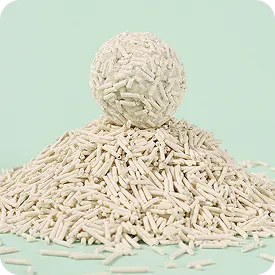
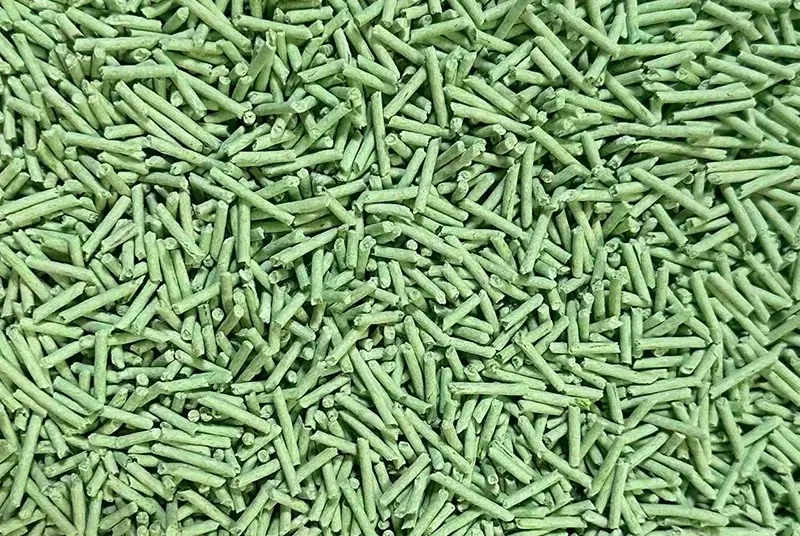
Tofu litter is made from compressed soybean residue or other plant fibers. It usually forms firm clumps and produces relatively low dust when properly processed.
For Petcare flushable cat litter, examine:
Tofu litter may dissolve more easily than bentonite, but “dissolvable” does not automatically mean safe for every plumbing system.
Recycled paper and wood-pulp litter are often low-dust options. They can work well for cats with respiratory sensitivity, although some products have weaker odor control or do not form scoopable clumps.
Paper pellets may also absorb water without dispersing quickly. Before choosing this type of flushable cat litter, check the manufacturer’s disposal instructions and perform a controlled water test.
Bentonite clay is highly absorbent and creates strong clumps, but it is generally unsuitable for flushing. Clay can swell, settle, and accumulate inside household drainpipes.
We do not recommend flushing:
The safest disposal method for non-flushable litter is sealed bagging according to local waste regulations.
A reliable purchasing process should consider performance, documentation, and household compatibility rather than relying only on marketing language.
| Evaluation criterion | What to check | Practical target |
|---|---|---|
| Granule consistency | Particle-size distribution and fines | Uniform granules, with critical dimensions measured to 0.01 mm where applicable |
| Dust control | Dust-chamber or internal screening data | Low visible dust during pouring and scooping |
| Clumping | Wet strength and scoopability | Stable clump after approximately 5–10 minutes |
| Dispersion | Water breakdown and agitation test | Breaks into smaller particles without forming a persistent mass |
| Odor control | Ammonia and odor-panel testing | Noticeable odor reduction during normal household use |
| Quality control | Batch inspection and traceability | Ideally 100% packaging inspection and documented batch records |
| Customer support | Response and complaint handling | A documented response target, such as 24 hours |
Testing terminology matters. Ask whether the supplier uses internal QC protocols, sieve analysis, moisture testing, microbial screening, and packaging drop tests. ASTM D5338 and ISO 14855 are relevant to controlled biodegradation or composting evaluations, but neither standard alone proves that a product is safe for every sewer network.
There is currently no single universal ASTM or DIN certification that guarantees all cat litter is safe to flush in every toilet, septic system, or municipal wastewater plant. Therefore, we should treat “flushable” as a conditional product claim and verify the supporting test method.
Cats can reject a new substrate because of texture, fragrance, dust, or unfamiliar scent. A gradual transition improves acceptance.
For two or three days, record:
This baseline helps us determine whether Petcare litter is solving a real problem or simply changing the material.
Use the following transition schedule:
If the cat avoids the box, return to the previous ratio and extend each stage. Never force a cat to use unfamiliar litter by removing all alternatives.
A clean, correctly sized litter box is essential. We recommend:
Fragrance can mask odor for people while creating aversion for cats. Unscented Petcare formulations are often a better starting point for sensitive animals.
Even suitable flushable cat litter should be introduced to the toilet cautiously. The following method reduces the chance of blockage.
Scoop feces and urine clumps separately. Do not flush large amounts at once. A practical household limit is one small clump at a time, followed by sufficient water flow.
If the clump is large or dense, divide it into smaller pieces. A clump that remains intact after several minutes in water should go into a sealed waste bag instead.
Flush one small quantity and observe the toilet bowl and drain behavior. Slow drainage, rising water, gurgling, or repeated backflow indicates a potential restriction.
Do not continue flushing if:
In these situations, dispose of the litter in household waste and consult a licensed plumber if symptoms persist.
“Flushable” does not mean universally risk-free. Cat feces may contain parasites, including Toxoplasma gondii. Some wastewater systems are not designed to remove all pathogens, and certain households should avoid flushing cat waste entirely.
We recommend extra caution for:
Always follow local wastewater guidance. If local authorities, a septic professional, or a property manager advise against flushing, use sealed disposal instead.
Tracking often results from lightweight granules, insufficient mat coverage, or excessive litter depth.
Try:
The likely causes are sudden change, fragrance, texture, or box placement. Return to the previous mixture ratio, remove fragrance sources, and place a second box nearby.
If refusal continues for more than 24 hours, monitor urination carefully. Avoiding the litter box can indicate stress or a urinary health issue and may require veterinary advice.
Odor is influenced by litter depth, box ventilation, clump removal, diet, and the number of cats. Improve the cleaning schedule before adding deodorizing powders, which may irritate sensitive cats.
Petcare litter should be assessed over at least seven days under consistent conditions. Record odor at the same time each day instead of judging performance after only one use.
Stop flushing immediately. Use a plunger only if the blockage is minor and the toilet is designed for standard plunging. Do not repeatedly add chemical drain cleaners, as they can damage plumbing and create hazardous fumes.
For recurring slow drainage, contact a qualified plumber. The problem may be an existing pipe restriction rather than the litter alone.
A low-cost evaluation kit can make the transition more objective:
For a basic dispersion check, place a measured 20–30 gram sample in water, wait 5, 10, and 30 minutes, and gently agitate it. Photograph the result and record whether the material disperses or remains as a dense mass. This is only a household screening method, not a substitute for laboratory certification or wastewater approval.
Consider a two-cat household replacing a heavily tracking clay litter. The owners first placed two boxes side by side and introduced Petcare tofu-based litter at a 25% ratio. During the first week, they recorded daily litter use, odor, tracking, and box acceptance.
Their process included:
The key lesson was not that every clump should be flushed. The successful outcome came from controlled introduction, measured use, and a clear stop rule. This approach is more reliable than treating “flushable” as permission to dispose of unlimited material.
Before placing a large order, request specific technical information:
A dependable supplier should explain limitations clearly instead of promising universal compatibility. Documentation, transparent labeling, and responsive technical support are important indicators of trustworthiness.
Before purchasing or flushing Petcare flushable cat litter, confirm:
The best flushable cat litter strategy combines material selection, gradual cat training, disciplined box maintenance, controlled flushing, and realistic plumbing precautions. Corn, wheat, tofu, paper, and wood-fiber products may offer different balances of clumping, dust control, odor management, and biodegradability, while bentonite and silica products generally should not be flushed.
With Petcare, we recommend starting with a small trial, measuring performance for 7–10 days, checking available quality documentation, and using household testing tools to identify problems early. Most importantly, flush only small, broken-down quantities when local conditions allow it. When plumbing, septic, health, or municipal restrictions apply, sealed disposal remains the safer choice.
Latest Blog / Insights
Hot Products


Let’s Get Started on Your Cat Litter Journey.