Crushed Tofu Cat Litter: Improved Absorption and Softer Feel
Mar. 13, 2026
Share:
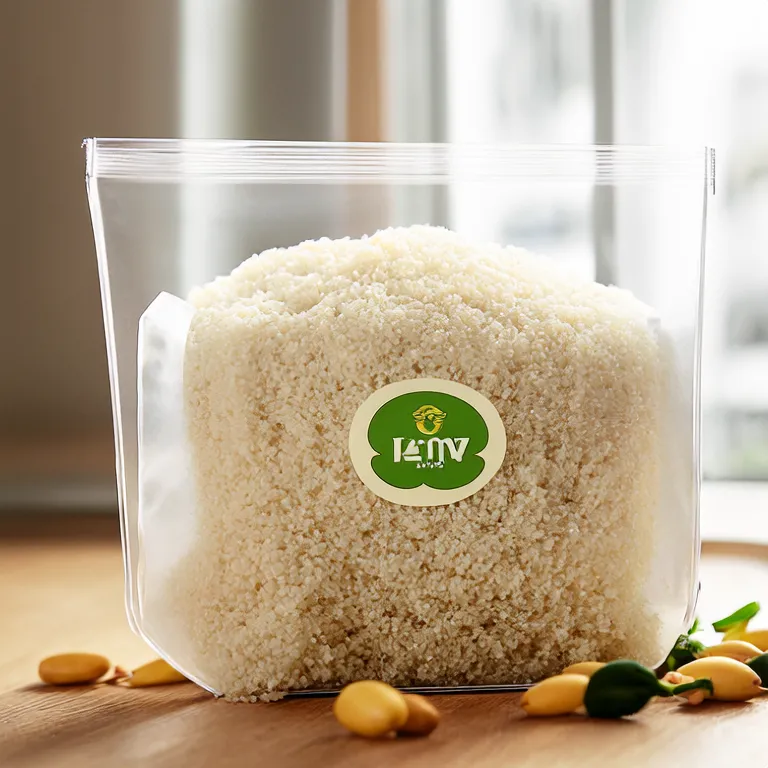
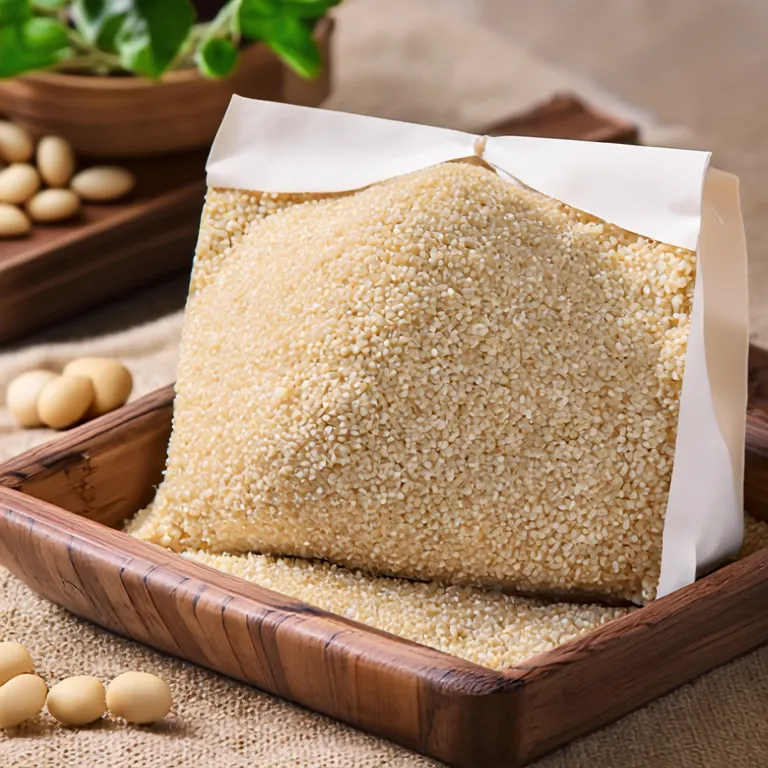
Crushed Tofu Cat Litter offers improved absorption and a softer feel. Many pet owners face issues with traditional cat litter products. Dust, odors, and hard textures can be frustrating. Crushed tofu litter is made from soybeans, making it a natural alternative. This product absorbs moisture quickly and reduces odors effectively. Plus, it is gentle on your cat\'s paws. Interested in knowing more about its benefits? Let\'s explore how this litter can change your cat\'s experience.

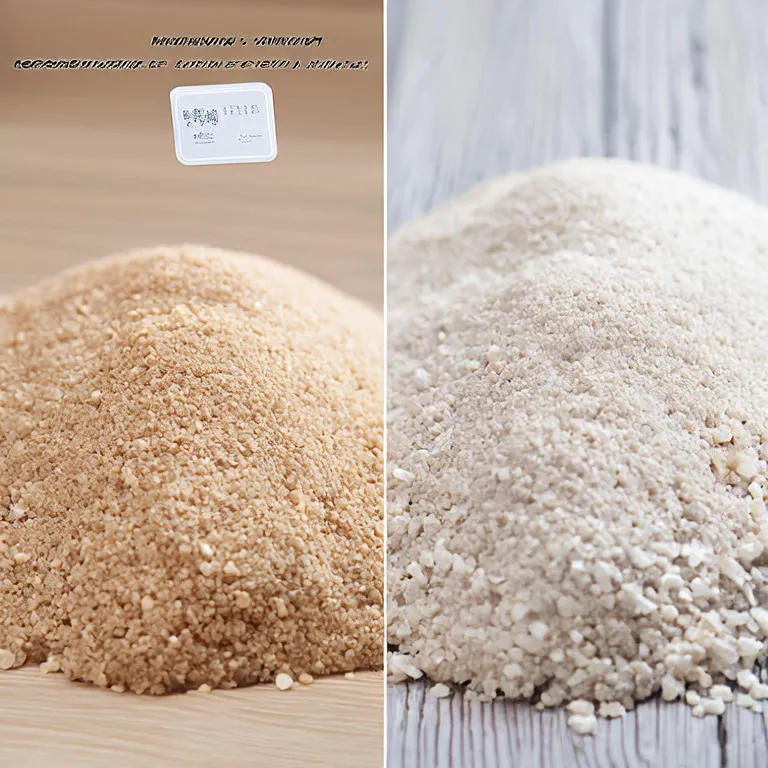
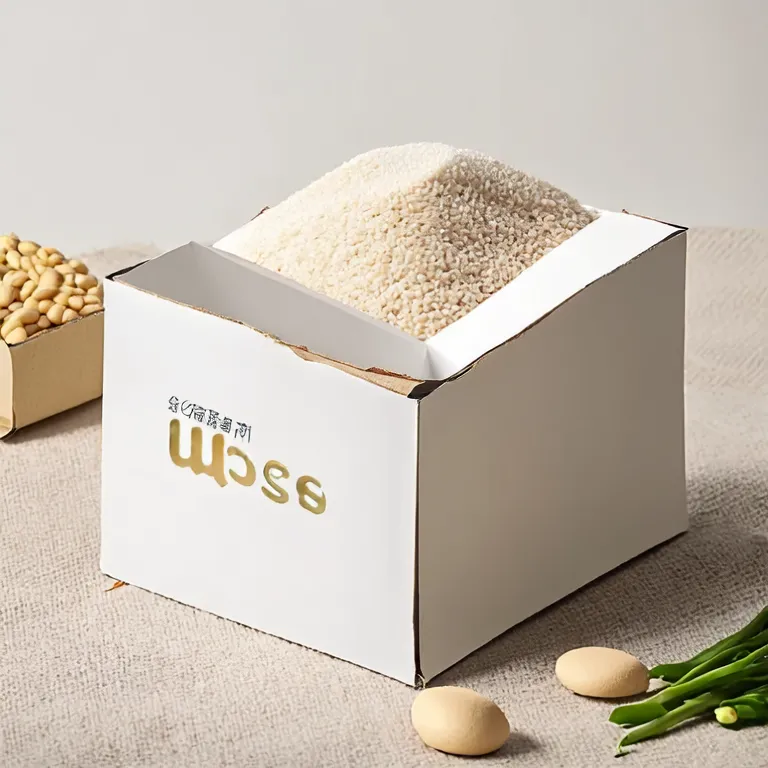
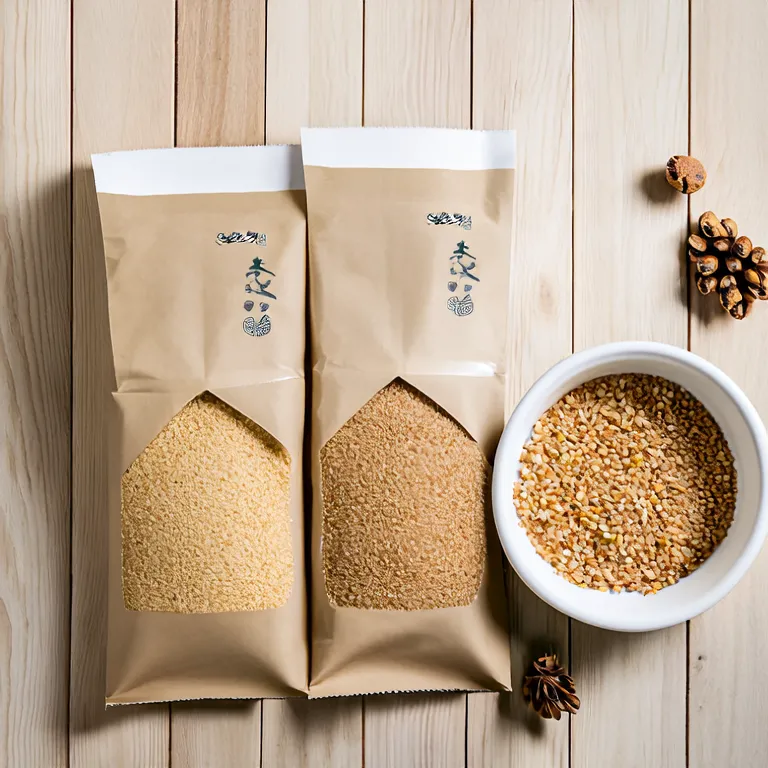
Crushed Tofu Cat Litter is an eco-friendly, highly absorbent, and softer alternative to traditional cat litter made from natural soybeans. It effectively controls odors and is gentle on your cat's paws.
There are several key benefits to using Crushed Tofu Cat Litter:
Natural Material: Made from soy, it is biodegradable.
Dust-Free: Produces minimal dust, which is safer for your cat and your home.
Odor Control: Effectively absorbs odors without chemical additives.
Comfortable Texture: Softer on your cat’s paws compared to clay litter.
Using materials sourced from soybeans makes this litter an excellent choice for the eco-conscious pet owner. It breaks down easily, making it better for the environment than traditional options, which can be harmful.
Many cat litters produce dust when they are used or refilled. Crushed Tofu Cat Litter minimizes this issue, creating a healthier environment for both pets and humans.
The natural properties of tofu work to absorb moisture and control smells. This helps keep your home smelling fresh without the use of harsh chemicals.
Thanks to its softness, cats can use the litter box comfortably. This can make a difference in their willingness to use the litter box, preventing accidents.
The key ingredients in Crushed Tofu Cat Litter include:
Soybean husks
Natural starches for binding
Water-absorbing granules
| Type of Litter | Material | Odor Control | Dust Levels | Biodegradable |
|---|---|---|---|---|
| Crushed Tofu | Soybean | Excellent | Low | Yes |
| Clay | Clay Mineral | Fair | High | No |
| Wood Pellets | Wood | Good | Medium | Yes |
Compared to traditional cat litter, Crushed Tofu Cat Litter performs remarkably well.
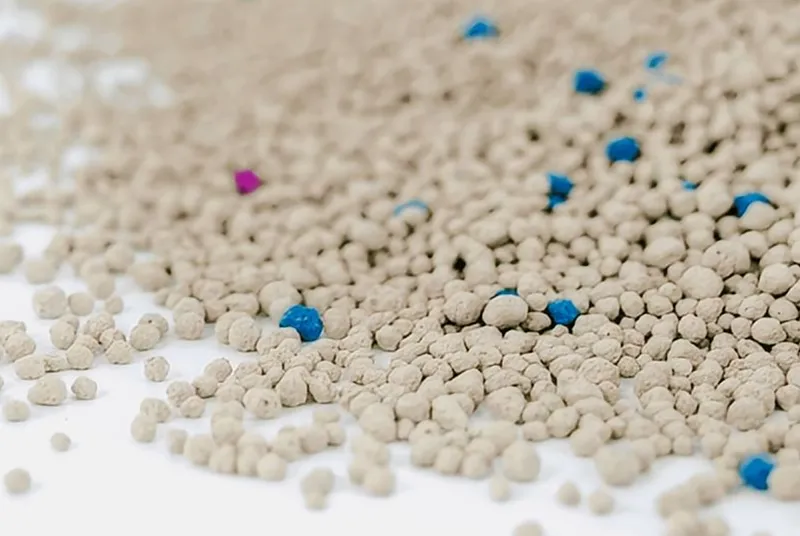
The smaller particles provide greater surface coverage, helping the litter contact liquid quickly and form compact clumps. Actual absorption performance depends on the raw material ratio, particle size, moisture content and production process.
Using the Crushed Tofu Cat Litter benefits not only your cat but also the planet. It is a fully biodegradable product. When disposed of, it decomposes naturally rather than sitting in landfills for years. Choosing this litter helps reduce your carbon footprint, making it a responsible choice for pet care.
| Comparison | Crushed Tofu Cat Litter | Regular Striped Tofu Litter |
|---|---|---|
| Particle shape | Small, irregular granules | Cylindrical pellets |
| Typical particle size | PetCare: 1–3.5 mm | PetCare: 1.5, 2.0 or 3.0 mm diameter |
| Paw feel | Softer, more sand-like | Firmer pellet texture |
| Surface coverage | More complete coverage | More space between pellets |
| Clump size | Generally smaller and more compact | Usually larger clumps |
| Tracking | May be higher with very fine particles | Larger pellets may track less |
| Product positioning | Premium, sensitive-paw and upgrade lines | Mainstream retail and entry-level tofu litter |
| Suitable channels | Premium brands, e-commerce, specialist pet stores | Supermarkets, distributors and general pet stores |
| Customization | Formula, scent, color and packaging | Formula, diameter, scent, color and packaging |
Before placing a bulk order for crushed tofu cat litter, buyers should evaluate more than fragrance, packaging, and unit price. Product performance can vary significantly depending on the raw material ratio, particle size, moisture content, binding ingredients, production process, and storage conditions. A structured sample test helps private label brands reduce quality risks and establish clear acceptance standards before mass production.
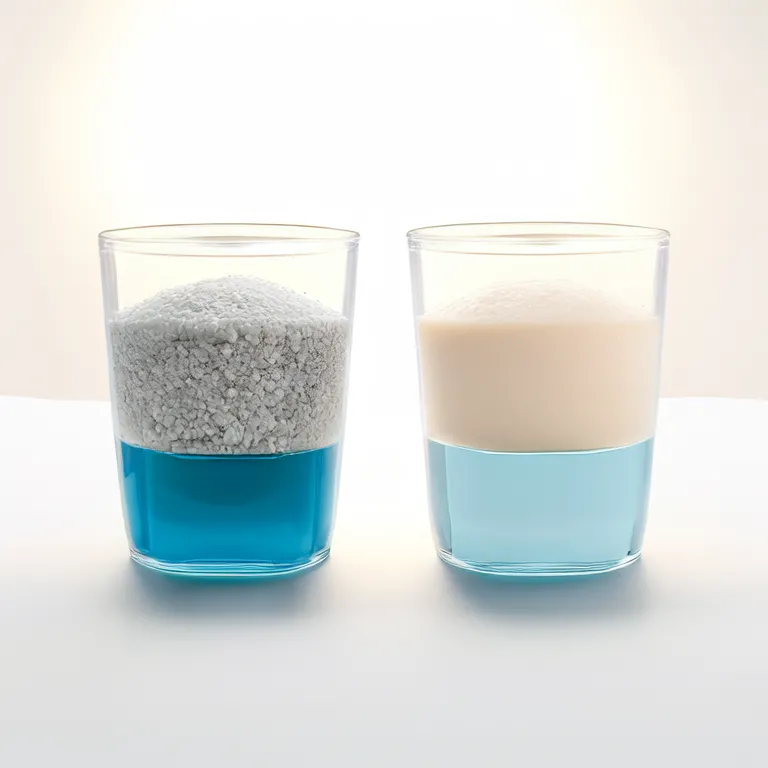
Absorption capacity indicates how much liquid the litter can hold before becoming saturated. Buyers can add a fixed volume of water to a measured amount of cat litter and record the weight or volume required for complete absorption.
The test should use the same litter weight, liquid volume, water temperature, and waiting time for every sample. This makes it easier to compare formulas from different suppliers.
Higher absorption is useful, but it should not be evaluated alone. A highly absorbent formula may still produce weak clumps or leave wet material at the bottom of the litter box.
Measure how quickly the litter forms a scoopable clump after contact with liquid. Then test whether the clump remains intact when lifted, shaken, or dropped from a controlled height.
Strong clumps can help users remove waste without breaking it into small pieces. This reduces contamination of unused litter and may improve overall product efficiency.
Buyers should evaluate:
Time required to form a stable clump
Clump size and shape
Resistance to breaking during scooping
Residue left on the scoop
Whether the clump sticks to the litter box
An approved production sample should be retained as a reference for future batch inspections.
Low dust is an important selling point for tofu cat litter, but dust levels may increase after bagging, stacking, and long-distance transportation. Buyers should test both newly produced samples and samples that have undergone a basic transport simulation.
Pour the litter from a consistent height into a clean container and observe the amount of visible airborne dust. The sample can also be screened to measure the percentage of fine particles.
Check for:
Dust generated when opening the bag
Dust generated when pouring
Fine powder at the bottom of the package
Particle breakage after shaking or transportation
Dust consistency between different batches
The supplier should explain how the product is screened and how broken particles are controlled before packaging.
Crushed tofu litter provides a softer, more sand-like texture, but smaller particles may be carried outside the litter box more easily than larger pellets.
Tracking should be tested under realistic conditions rather than judged only by particle size. Granule weight, surface texture, density, litter depth, cat paw condition, and litter mat design can all influence the result.
Private label buyers should compare different particle-size ranges and choose a balance between paw comfort, clumping performance, and tracking control.
Odor control depends on absorption speed, raw materials, moisture management, fragrance, and any additional deodorizing ingredients. Buyers should not rely only on how strongly a sample smells when the bag is opened.
A controlled test should compare odor levels over a fixed period using the same litter quantity and test conditions. Both scented and unscented samples should be evaluated.
Confirm whether the formula uses:
Fragrance only
Plant-based deodorizing ingredients
Activated carbon
Deodorizing granules
Antibacterial additives
Any odor-control or antibacterial claim printed on the packaging should be supported by appropriate testing and documentation.
Particle size affects paw feel, liquid contact, clump structure, tracking, and suitability for different litter boxes. Buyers should confirm both the target particle-size range and the acceptable percentage of oversized or undersized particles.
Inspect multiple bags from the same batch to check:
Particle-size uniformity
Color consistency
Fragrance consistency
Broken particle percentage
Foreign material
Moisture or caking
Variation in bag weight
For private label production, these requirements should be included in the approved specification rather than agreed upon only through verbal discussion.
Tofu cat litter is made from plant-based materials, so packaging and moisture control are especially important. Excessive moisture may cause soft particles, caking, mold risk, reduced absorption, or packaging deformation.
Buyers should test sealed samples under the temperature and humidity conditions expected during shipping and storage. The supplier should confirm:
Product moisture specification
Recommended storage conditions
Packaging barrier structure
Shelf life
Bag-sealing method
Quality-control procedures for moisture
Handling requirements after opening
For humid markets, a higher-barrier packaging material may be more important than choosing the lowest-cost bag.
When the product is marketed as water-soluble or flushable, buyers should test how quickly small clumps break down in water. The test should also examine whether the material expands, settles, or remains intact.
Flushability should never be treated as a universal claim. Plumbing conditions, septic systems, disposal regulations, and permitted flushing quantities vary between markets. Packaging instructions should clearly state that only small amounts may be flushed where local systems and regulations allow.
Good product performance can be affected by weak packaging. Test filled bags for sealing strength, drop resistance, compression resistance, leakage, and print durability.
For e-commerce or long-distance export shipments, buyers should check:
Heat-seal strength
Bag puncture resistance
Handle strength
Carton or outer-bag protection
Pallet stability
Damage after stacking
Particle breakage after transport simulation
Barcode and label readability
The packaging test should use the final retail bag material, not only a temporary sample bag.
| Test Item | What to Evaluate | Why It Matters |
|---|---|---|
| Absorption | Liquid absorbed per fixed litter weight | Influences usage efficiency |
| Clumping speed | Time required to form a stable clump | Affects cleaning convenience |
| Clump strength | Breakage during scooping and handling | Reduces contaminated litter |
| Dust level | Airborne dust and fine particles | Influences user experience |
| Tracking | Particles carried outside the litter box | Affects household cleanliness |
| Odor control | Performance over a fixed test period | Supports product positioning |
| Particle consistency | Size, color and shape uniformity | Maintains batch quality |
| Moisture resistance | Caking and softness during storage | Protects shelf stability |
| Water solubility | Breakdown of small clumps in water | Supports disposal instructions |
| Packaging durability | Seal, drop and compression resistance | Reduces shipping damage |
Before confirming mass production, buyers should document the approved formula, particle size, test methods, packaging structure, acceptable tolerances, and inspection criteria. These specifications can then be included in the purchase agreement and used for pre-shipment quality inspection.
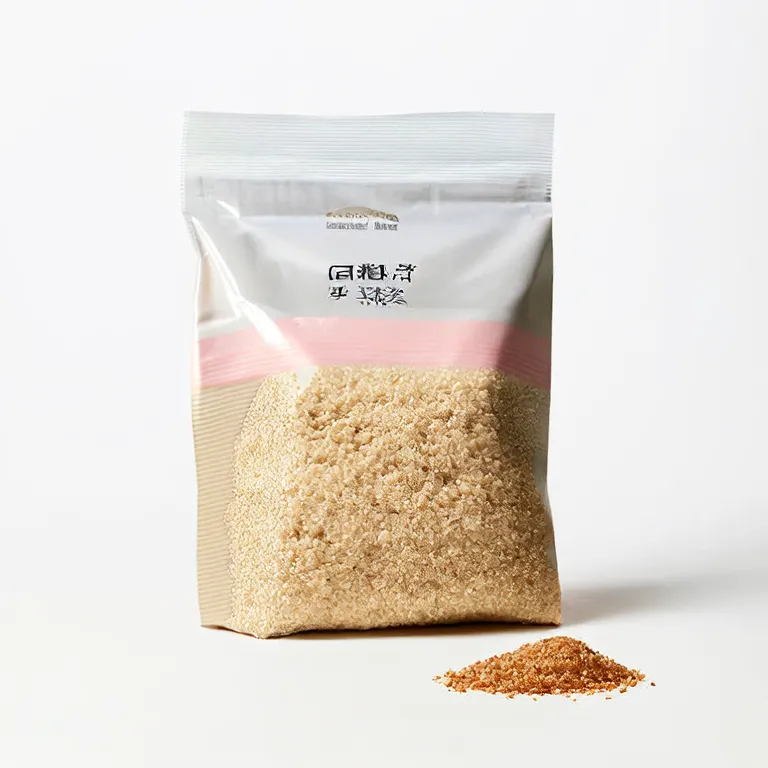
PetCare can provide crushed tofu cat litter samples for performance evaluation and private label development. Buyers can submit their target market, required particle size, fragrance, packaging size, estimated order quantity, and performance priorities to receive a suitable formula recommendation.
Crushed Tofu Cat Litter provides improved absorption and a softer feel for your pet. It is made from natural, biodegradable materials that are gentle on your cat\'s paws. With its excellent odor control and minimal dust, it stands out as an ideal alternative to traditional cat litter. By making this switch, you enhance your pet\'s litter experience while contributing positively to the environment.
Q: Is Crushed Tofu Cat Litter safe for cats?
A: Yes, it is made from natural ingredients and is safe for all cats.
Q: How often should I change the litter?
A: It is recommended to change it every one to two weeks, depending on usage.
Q: Does it control odors well?
A: Yes, it effectively absorbs odor and moisture, keeping your home fresh.
Q: Is it easy to clean?
A: Absolutely. It clumps well, making it easier to scoop and clean.
Q: Can I flush it down the toilet?
A: It may be flushable, but check local regulations before doing so.
Latest Blog / Insights
Hot Products


Let’s Get Started on Your Cat Litter Journey.