Understanding the differences between clumping and non-clumping cat litter is essential for pet owners looking to provide the best environment for their furry friends. With bulk kitty litter being a significant factor in your expenses as a cat owner, making an informed decision can help enhance cleanliness and odor control in your home. This article explores the features, benefits, and drawbacks of clumping and non-clumping cat litter, helping you choose the best option for your needs.
What is Clumping Cat Litter?
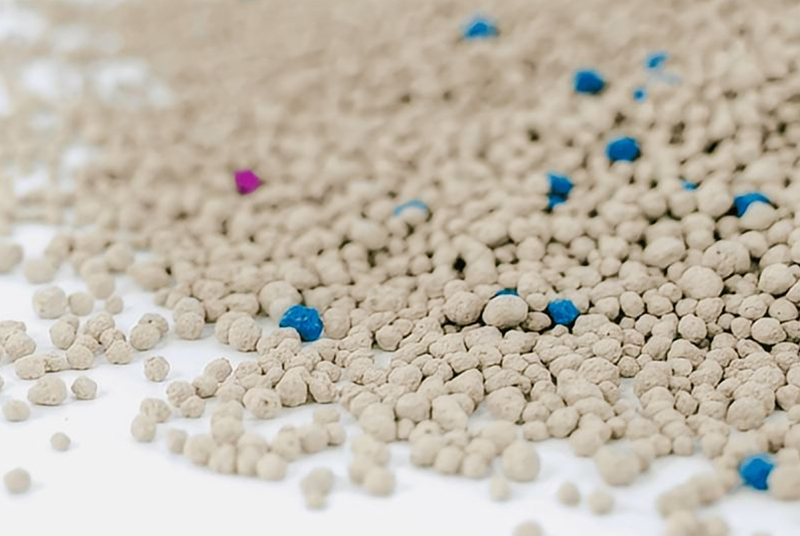
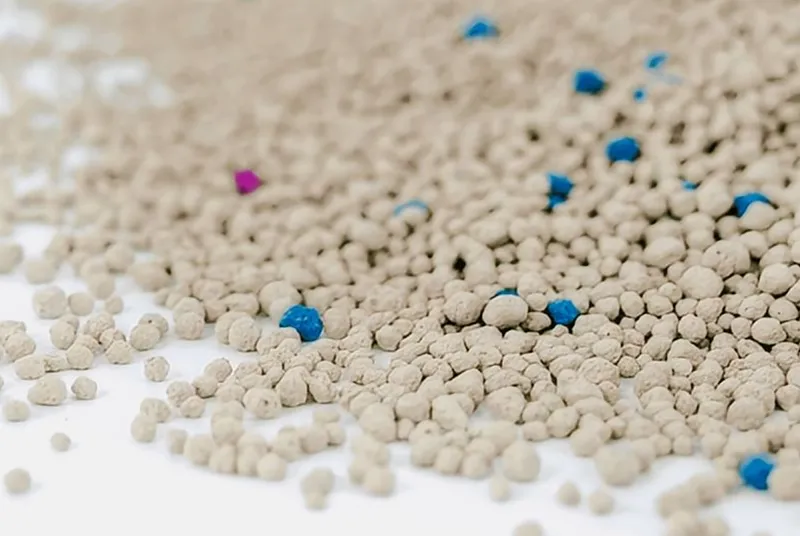
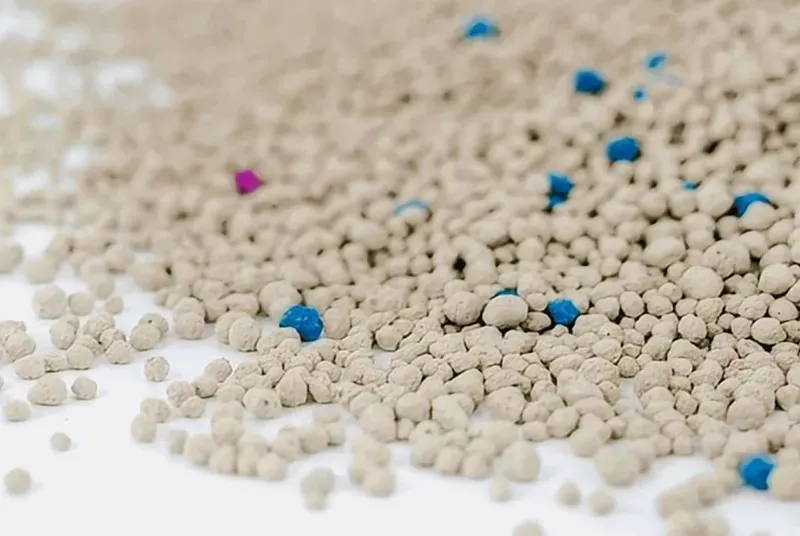
Clumping cat litter is made from materials that form solid clumps when exposed to moisture. This makes it easy to scoop out waste, keeping the litter box cleaner and odors at bay.
Key Features of Clumping Cat Litter
- Ease of Use: Clumping litter simplifies the cleaning process, as you can easily scoop out solid waste and clumps.
- Odor Control: The clumping mechanism traps odors effectively, which can be a significant benefit in maintaining a pleasant home environment.
- Durability: Clumping litter often requires less frequent changing than non-clumping types, potentially saving you money in the long run.
Popular Materials
- Bentonite Clay: Most common type; offers excellent clumping and odor control.
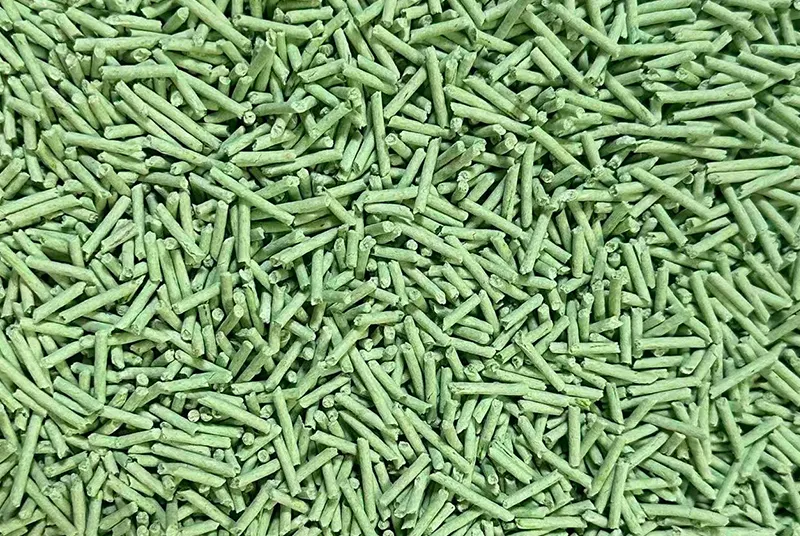
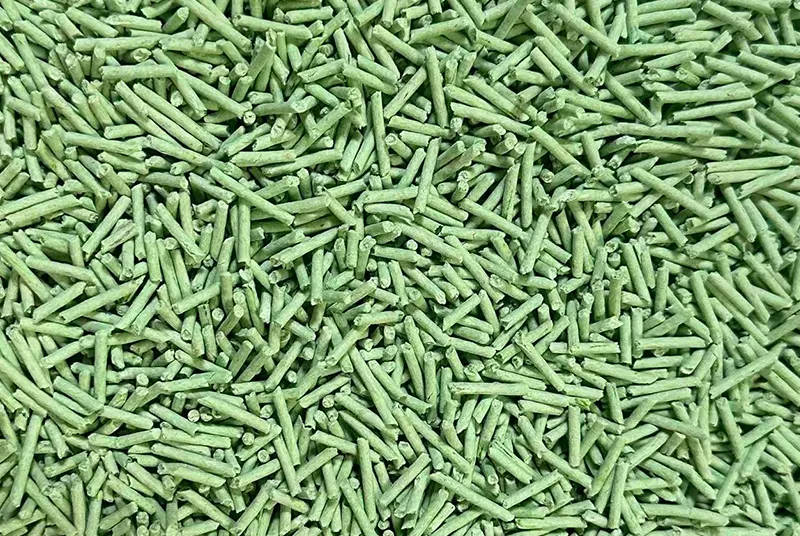
- Natural Alternatives: Made from corn, wheat, or other biodegradable materials; safer for the environment.
What is Non-Clumping Cat Litter?
Non-clumping cat litter absorbs moisture rather than forming clumps, requiring more frequent changes and a different cleaning technique.
Characteristics of Non-Clumping Cat Litter
- Absorbency: Non-clumping litter typically has great absorbent properties, soaking up moisture quickly.
- Cost-Effectiveness: Generally, non-clumping litter can be less expensive upfront; however, it may require more frequent replacement.
Common Types of Non-Clumping Litter
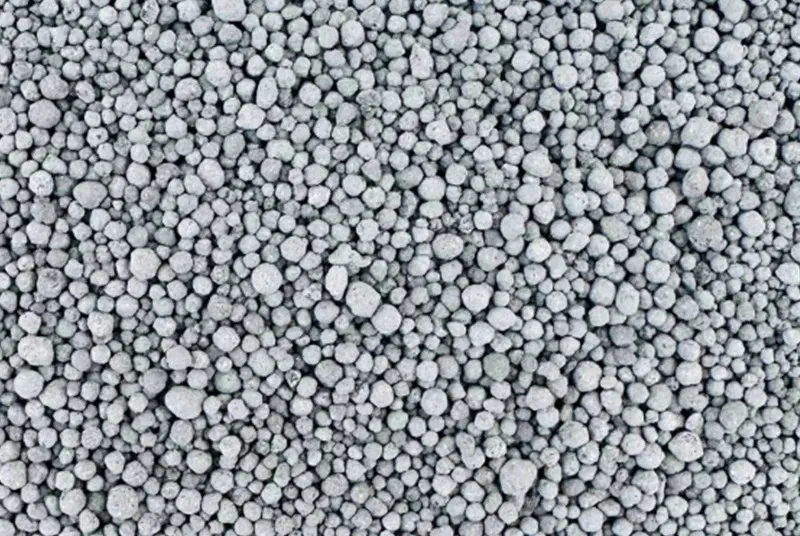
- Clay-based Litter: Made from diatomaceous earth or other natural materials; known for good absorbency.
- Biodegradable Options: Derived from materials like recycled paper or wood shavings; eco-friendly and safe for cats.
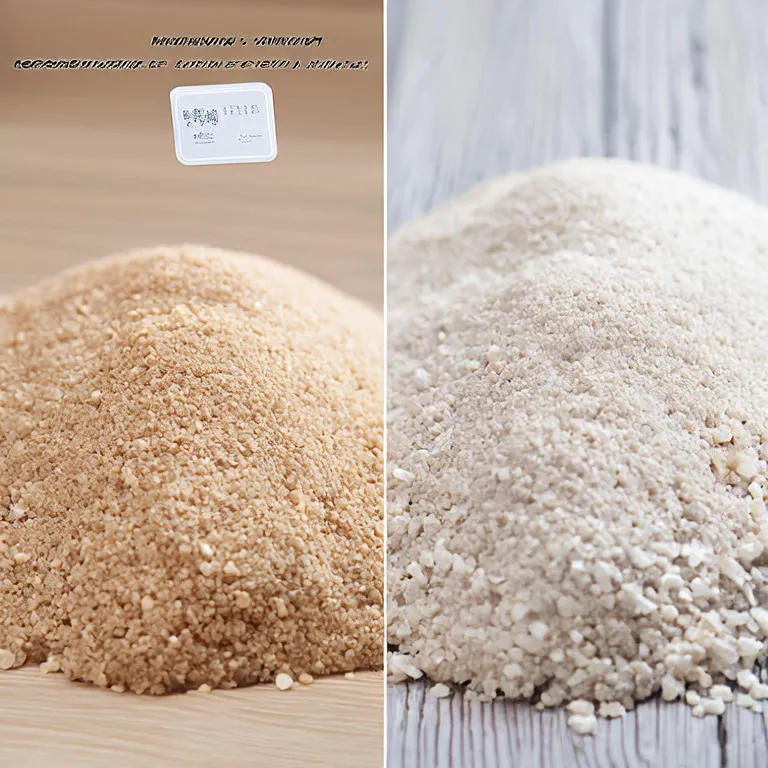
Clumping vs Non-Clumping: A Comprehensive Comparison
Understanding the main differences will help you decide which litter type suits you and your cat best.
Cleaning and Maintenance
- Clumping Litter: Easy to clean, as waste can be efficiently scooped out, which helps in maintaining a cleaner box longer.
- Non-Clumping Litter: Requires complete change more frequently, which can be more time-consuming overall.
Cost Effectiveness
- Clumping: May have a higher initial cost but leads to savings due to less frequent changes.
- Non-Clumping: Lower price tag initially but may end up costing more over time due to its replacement frequency.
How to Choose the Right Cat Litter for Your Needs
- Consider Your Cat’s Preferences: Your cat’s behavior can guide your choice. Cats often prefer fine textures that feel pleasant under their paws.
- Evaluate Odor Control Needs: If odor control is a primary concern, clumping litter might be a better fit.
- Assess Cleaning Time: If you want quicker clean-up, choosing clumping litter will save you time.
- Think About Dust Levels: Some cats may be sensitive to dust; look for low-dust formulations if necessary.
Final Thoughts
Ultimately, the choice between clumping and non-clumping cat litter comes down to personal preference and your cat\'s needs. Testing different types can provide insights into what suits you and your pet best.
Additional Tips for Cat Litter Usage
- Experiment with Depth: Try different litter depths in the box to see which your cat prefers.
- Regularly Clean the Litter Box: This promotes good hygiene and can help prevent urinary tract issues in cats.
Consulting with Professionals
Consider discussing your choices with a veterinarian, especially if you notice any behavior changes in your cat related to litter usage.