Cat Litter Trends in 2026: What Pet Owners Prefer
Jun. 11, 2026
Share:
The cat litter market is experiencing significant transformations as pet owners become more discerning about health, sustainability, and convenience. In 2026, pet owners, particularly millennials and Gen Z, are prioritizing eco-friendly options and advanced technology in their litter choices. A recent survey conducted by the American Pet Products Association (APPA) reported that 64% of cat owners are seeking biodegradable litter solutions, which tend to minimize odor and provide better clumping capabilities. Understanding these shifting preferences can help manufacturers and retailers adjust their offerings to meet consumer demands more effectively.
The key driving factors behind these trends include heightened environmental awareness, innovation in materials, and an increasing focus on pet well-being. The growth of eco-friendly cat litters, which accounted for a remarkable 52% increase in sales from 2023 to 2025 according to Pet Industry Distributors Association (PIDA), reflects a shifting sentiment towards sustainable products. Innovations such as litter made from recycled plant materials and improved clumping technologies are also emerging. For instance, products like those from Petcare have effectively combined biodegradable components with enhanced absorption rates, appealing to the eco-conscious consumer.
As mentioned earlier, there is a strong preference for biodegradable litters, with a substantial 75% growth noted in products that utilize recycled or natural materials by 2026. This shift is not only driven by a desire to reduce carbon footprints but also by the effective odor control and clumping provided by newer formulations.
Smart litter boxes equipped with sensors to monitor usage and health indicators are gaining traction. According to a recent consumer technology survey, 43% of pet owners are willing to invest in smart litter technologies, especially those offering health monitoring features that can alert owners about potential health issues in their cats.
Pet owners are expressing growing concerns about the allergens and mess associated with traditional litters. A study published by the Veterinary Information Network found that the demand for dust-free and low-tracking litter types surged by 61% over three years, indicating that such products are now a must-have for curtailing respiratory issues and keeping homes clean.
Instead of offering one universal formula, retailers and pet brands are developing different SKUs for eco-conscious households, multi-cat homes, sensitive cats, automatic litter boxes and price-focused consumers.
| Consumer Need | Product Specification | Private Label Opportunity |
|---|---|---|
| Less household mess | Low dust and controlled particle size | Low-tracking product line |
| Easier scooping | Fast and strong clumping | Premium clumping formula |
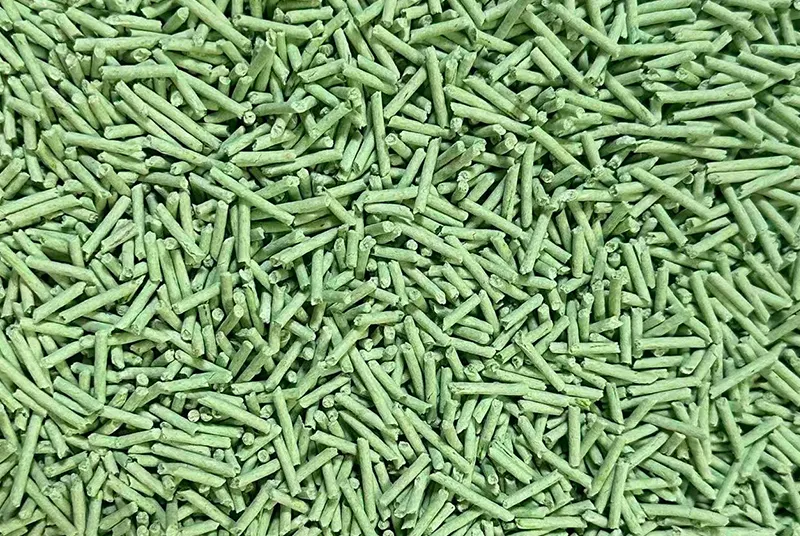
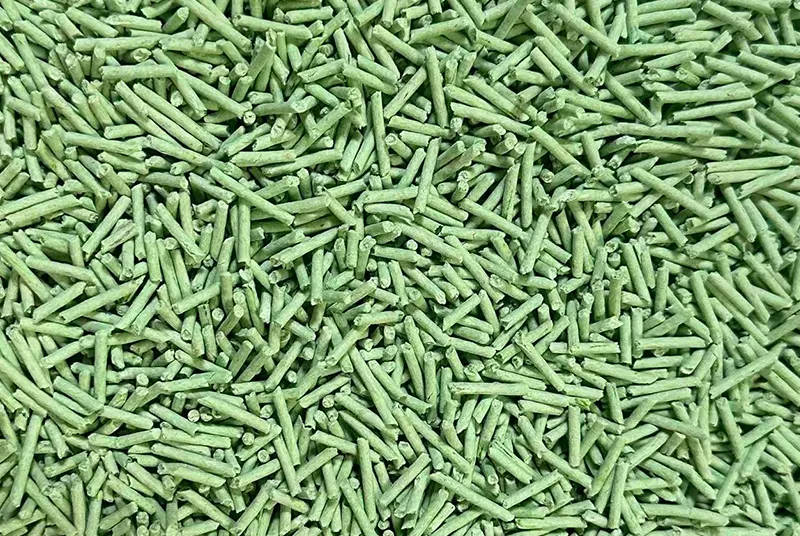
| Sustainability | Tofu or plant-based material | Eco-friendly range |
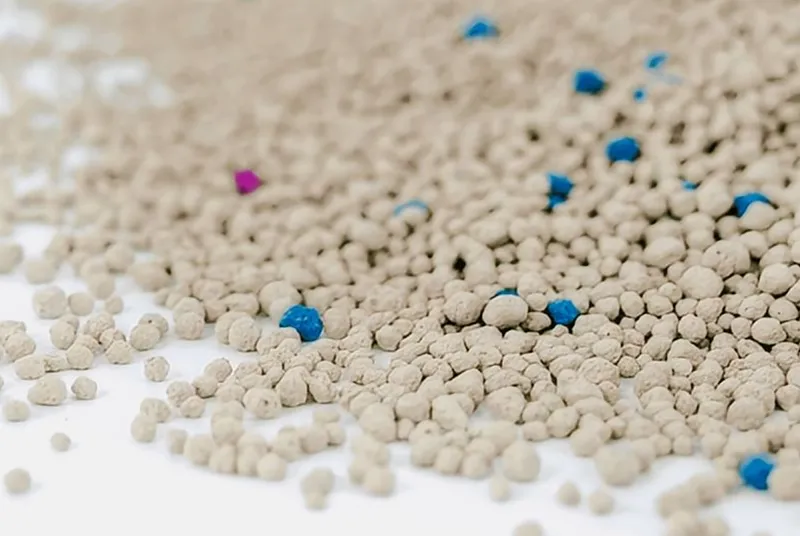
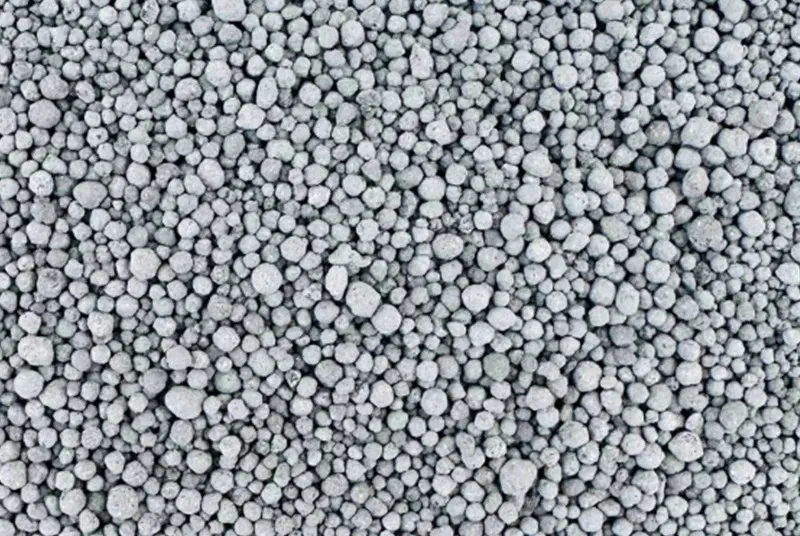
| Price sensitivity | Bentonite-based formula | Mainstream value range |
| Automatic litter boxes | Controlled granule size and firm clumps | Machine-compatible SKU |
| Sensitive fragrance preference | Unscented or mild scent | Sensitive-cat range |
| Multi-cat households | Strong odor control | Multi-cat formula |
| Convenience | Lightweight bag and regular delivery | Subscription product |
Finally, convenience-driven subscription models are becoming prevalent, with a 34% annual increase reported in pet litter subscription services. Petowners appreciate the ease of delivery and the ability to monitor usage, ensuring they never run out of litter again.
The emergence of these trends significantly impacts buyers\' decision-making processes. A clear understanding of these preferences allows pet owners to make informed choices that cater to their ethical and lifestyle considerations. With data showing that over 70% of cat owners are now more inclined to try new brands that align with their values, it is crucial for businesses to adopt these innovations to capture customer loyalty. Petcare has positioned itself well within these dynamics, providing products that align with modern pet owner\'s values.
For cat owners navigating these trends, consider the following practical tips:
Research the sustainability credentials of various cat litter brands before making a purchase, focusing on certifications and material sources.
Invest in smart litter boxes that offer health monitoring capabilities; they are worth the investment for proactive pet care.
Stay informed about seasonal promotions from subscription services to maximize value whilst maintaining convenience.
Cat litter brands should build product ranges around specific consumer needs rather than relying on one universal formula. Plant-based litter can target sustainability-focused buyers, while bentonite products remain suitable for customers who prioritize strong clumping and competitive pricing.
Retailers should also offer both unscented and lightly scented options, as fragrance preferences vary between markets. Products designed for automatic litter boxes should be tested for particle size, clumping speed, dust level, and screening compatibility before making performance claims.
For private label development, brands should focus on measurable benefits such as low dust, firm clumps, odor control, reduced tracking, and packaging durability. Offering several clearly positioned SKUs can help retailers reach different price segments and sales channels.
| Consumer Need | Product Opportunity |
|---|---|
| Sustainable materials | Tofu or plant-based cat litter |
| Strong clumping | Bentonite or optimized mixed formulas |
| Less household mess | Low-dust and low-tracking litter |
| Sensitive fragrance preference | Unscented or mild-scent formulas |
| Automatic litter boxes | Tested, controlled-particle-size litter |
| Premium performance | Crushed tofu or enhanced odor-control litter |
Before launching a new product, buyers should test samples, confirm quality specifications, and verify that packaging claims are supported by actual product performance.
Plant-based litters such as tofu, wood, paper and cassava products are attracting more attention, particularly among sustainability-focused buyers. However, bentonite litter remains widely used because of its familiar texture, strong clumping performance and competitive price. The best-selling material varies by region, price segment and sales channel.
Smart litter boxes utilize sensors to track your cat's bathroom habits, providing data through a connected app. This can alert owners to unusual behaviors or potential health concerns.
Subscription services are becoming increasingly popular due to their convenience and the ability to customize delivery frequencies. Many cat owners find them worthwhile for ensuring a consistent supply of litter without last-minute store trips.
PetCare works with pet brands, importers, distributors and retailers to develop bentonite and tofu cat litter products for different market segments. Buyers can customize the formula, particle size, fragrance, color, bag structure and private label artwork according to their target country and sales channel.
To receive a product recommendation, provide:
Target market
Sales channel
Preferred litter material
Required bag size
Estimated order quantity
Target retail price
Performance priorities
Packaging requirements
Latest Blog / Insights
Hot Products


Let’s Get Started on Your Cat Litter Journey.