How is cat litter made, and how can buyers check quality before placing a large order? The answer depends on the raw material, production line, moisture target, particle size, and packing method. This guide explains the complete cat litter manufacturing process for bentonite clay, silica gel, tofu cat litter, wood litter, and corn litter.
For overseas buyers and distributors, a stable supply is as important as a low price. A reliable cat litter factory should control odor control, clumping strength, dust level, absorption, packaging, and batch consistency from the first inspection to the final shipment.

1. What Is the Cat Litter Production Process?
The cat litter production process changes raw materials into clean, dry, safe, and easy-to-use litter. Most factories use a controlled sequence: material inspection, crushing or mixing, forming, drying, screening, dust removal, quality testing, and packing.
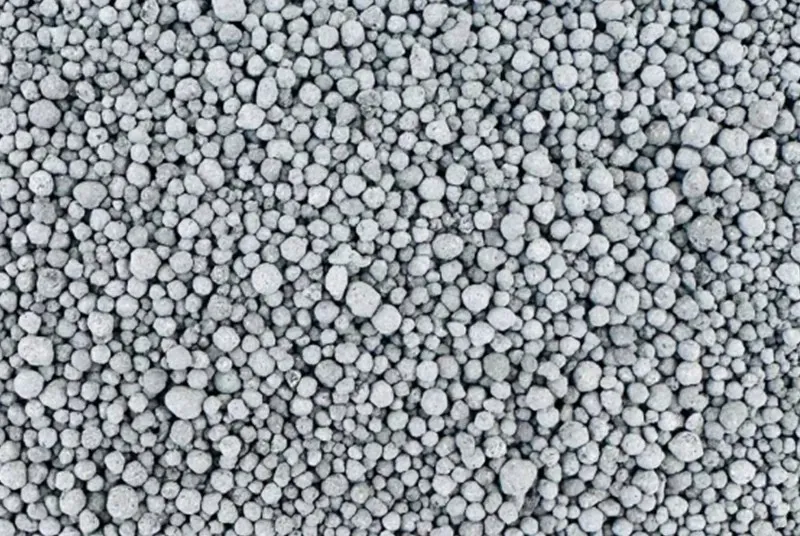
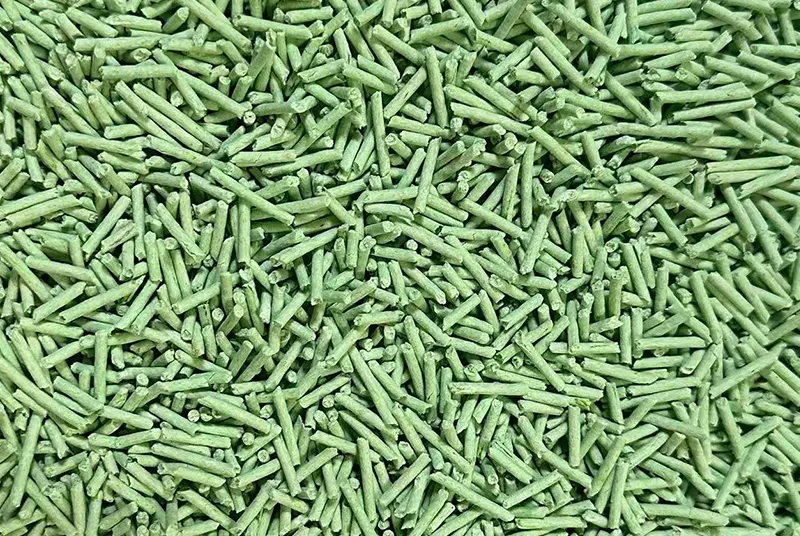
The exact method depends on the product type. Bentonite litter is mined, crushed, granulated, dried, screened, and treated for dust control. Tofu litter is made from bean fiber and other plant materials, then extruded and dried. Silica gel litter is produced through a chemical gel process and then shaped into absorbent granules.
A simple production flow chart
- Raw material receiving
- Raw material testing
- Crushing, mixing, or grinding
- Granulation or extrusion
- Drying and moisture control
- Screening and particle grading
- Dust removal and optional treatment
- Final quality inspection
- Automatic or manual packing
- Warehouse storage and shipment
This flow helps buyers understand where product problems may occur. Weak clumping can come from poor raw material or incorrect moisture. Excess dust may result from over-crushing, weak screening, or poor transportation control.
2. How Are Raw Materials Selected and Tested?
Raw material selection is the first major quality decision. A factory should check every incoming batch instead of trusting only the supplier certificate. The inspection normally includes appearance, moisture, odor, particle condition, impurities, and basic absorption performance.
Main raw materials by product type
| Cat litter type | Main raw material | Main production concern |
|---|---|---|
| Bentonite litter | Sodium bentonite or calcium bentonite clay | Clumping, dust, odor control, and particle size |
| Tofu litter | Pea fiber, soybean residue, corn starch, or plant fiber | Moisture, pellet strength, biodegradability, and odor |
| Wood litter | Pine, fir, or other processed wood fiber | Moisture, resin odor, pellet durability, and cleanliness |
| Corn litter | Corn fiber, corn starch, or corn residue | Absorption, mold prevention, and storage stability |
| Silica gel litter | Silicon dioxide crystals | Crystal size, water absorption, and dust level |
For bentonite products, the clay source affects clumping speed and clump strength. For plant-based litter, the fiber and starch ratio affects pellet shape and breakdown. A factory such as Petcare should keep approved samples from each batch for later comparison.
3. How Is Bentonite Cat Litter Made?
Bentonite cat litter is one of the most common products in the global market. It is popular because it forms a solid clump when wet and can provide strong odor control when the formula and process are well managed.
Step 1: Crushing and impurity removal
Large clay blocks are crushed into smaller pieces. Magnets, screens, and air separation equipment can help remove metal pieces, stones, and oversized material. The goal is to create a consistent feed for the next stage.
Step 2: Mixing and granulation
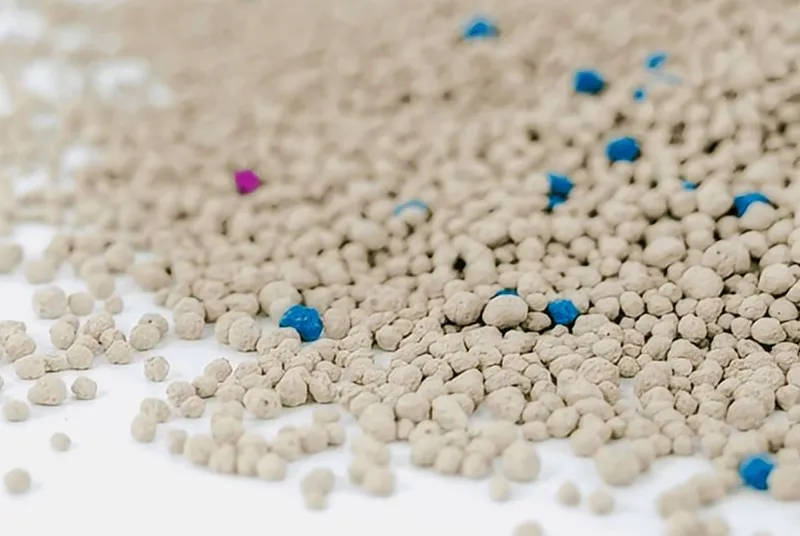
The crushed clay may be mixed with minerals, deodorizing materials, or fragrance according to the product formula. A granulator then forms the material into particles. Common retail grades include fine, standard, and larger granules.
Step 3: Drying
A rotary dryer or similar system reduces moisture to the factory target. Many products are controlled near 5 to 10 percent moisture, but the correct range depends on the clay source and formula. Excess heat can damage performance, while high moisture can reduce shelf life.
Step 4: Screening and dust collection
After drying, vibrating screens separate particles by size. Air collectors remove fine dust. A strong screening system improves product appearance and reduces the amount of powder inside the bag.
4. How Is Tofu and Plant-Based Cat Litter Produced?
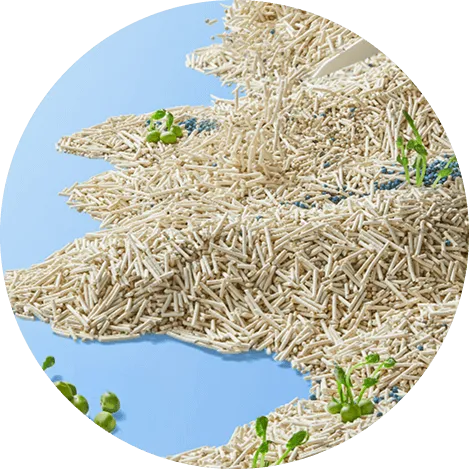
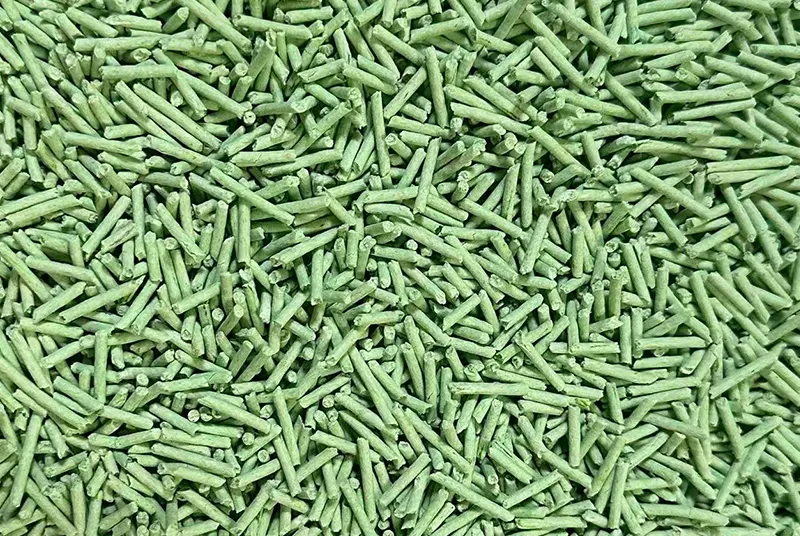
Tofu cat litter is made from renewable plant materials. The process usually starts with cleaning and grinding plant fiber. The material is mixed with starch and other approved ingredients, then shaped into cylindrical pellets through an extrusion machine.
Typical tofu litter steps
- Clean and inspect plant fiber
- Grind the material into a uniform powder or fiber blend
- Add starch and other formula ingredients
- Mix the formula with controlled water content
- Extrude the mixture into pellets
- Cut pellets to the required length
- Dry the pellets to a stable moisture level
- Screen broken pellets and fine powder
- Add optional natural fragrance or deodorizing ingredients
- Pack in moisture-resistant bags
Plant-based litter is sensitive to moisture during storage. If the product is packed before it is fully stable, pellets may soften, break, or develop an unpleasant smell. Buyers should request moisture-resistant packaging and confirm storage conditions before shipment.
Important production controls
The extrusion temperature, water ratio, pellet length, and drying time all affect performance. Pellets that are too soft may break during transportation. Pellets that are too hard may absorb liquid slowly. The best formula balances quick absorption with low breakage.
5. How Is Silica Gel Cat Litter Made?
Silica gel litter is made from porous silicon dioxide crystals. These crystals absorb liquid into their internal pores instead of forming a traditional clay clump. Production requires chemical processing, controlled drying, crystal shaping, and dust removal.
The silica material is prepared into a gel, dried, and broken or formed into crystals. The crystal size can affect absorption speed, tracking, sound, and user preference. Smaller crystals may feel softer, while larger crystals can reduce tracking in some applications.
Buyer checks for silica gel litter
- Liquid absorption rate
- Crystal size distribution
- Dust percentage
- Color stability
- Odor after use
- Packaging resistance to humidity
Silica gel litter should be stored in a dry warehouse. Damaged packaging can allow moisture to enter the bag and reduce the product's absorption capacity before it reaches the consumer.
6. Why Are Drying and Moisture Control So Important?
Drying affects clumping, absorption, storage life, weight accuracy, and product safety. A stable drying system uses controlled temperature, airflow, and residence time. Operators should record these conditions for every production batch.
| Control point | If the value is too high | If the value is too low |
|---|---|---|
| Moisture | Soft pellets, odor, mold risk, and heavy product | Brittle particles and weaker clumping in some formulas |
| Drying temperature | Color change, odor loss, or material damage | Unstable product and poor storage performance |
| Drying time | Higher energy use and possible over-drying | Wet centers and inconsistent batches |
| Airflow | More fines and product loss | Uneven drying and high residual moisture |
A professional cat litter factory does not judge moisture only by touch. It uses a moisture meter or laboratory method and records the result. This data supports consistent quality for private label and distributor orders.
7. How Are Particle Size, Dust, and Clumping Controlled?
Particle size influences tracking, absorption speed, package appearance, and customer satisfaction. Screening equipment separates fine material from saleable granules. A factory may use several screens to create a standard grade or a custom grade.
Common quality measurements
- Particle size distribution, such as 0.5 to 2.5 millimeters
- Dust content after screening
- Clump strength after a fixed waiting period
- Liquid absorption by weight
- Broken pellet percentage
- Bulk density and net weight accuracy
Clumping tests should use the same liquid volume, waiting time, and test container for each batch. For example, a factory may test the clump after 5 to 10 minutes. Using one method makes results easier to compare between suppliers.
Dust control includes screening, enclosed transfer points, cyclone collection, and final vacuum removal. It is not enough to add a dust-control claim to the bag. The factory should test the finished product after packing and transport simulation.
8. What Happens During Final Quality Inspection?
Final inspection confirms that the finished cat litter matches the approved sample and purchase specification. Quality staff should take samples from different points in the batch, not only from the first bags packed.
A practical final inspection checklist
- Check product color and general appearance
- Measure moisture content
- Check particle size and broken material
- Test dust level
- Test absorption or clumping performance
- Check fragrance strength if fragrance is used
- Verify bag weight and seal strength
- Check printing, barcode, and production date
- Confirm carton quantity and pallet condition
For export orders, the inspection report should include the product name, batch number, production date, test results, packaging details, and inspector name. This record helps resolve quality questions quickly and supports repeat orders.
9. How Is Cat Litter Packed for Overseas Shipping?
Packaging protects the product from moisture, leakage, crushing, and contamination. Common formats include plastic bags, paper bags with inner liners, stand-up pouches, woven bags, and cartons. The best choice depends on product type, retail market, order quantity, and shipping route.
| Packaging option | Main advantage | Suitable use |
|---|---|---|
| Plastic bag | Good moisture protection and lower cost | Bulk and value products |
| Paper bag with inner liner | Better printed appearance and added protection | Private label retail products |
| Stand-up pouch | Strong shelf presentation and resealing options | Premium retail products |
| Woven bag | High strength for large quantities | Wholesale and commercial supply |
Before shipment, bags should pass a seal test and a drop test. Pallets should be wrapped to reduce movement during ocean transport. Buyers should also confirm whether the printed packaging meets local labeling rules.
10. How Can Overseas Buyers Choose a Reliable Cat Litter Factory?
The lowest quotation does not always provide the lowest total cost. A weak product can lead to complaints, returns, poor reviews, and lost shelf space. Buyers should compare the factory's process control, test records, packaging ability, and production capacity.
Questions to ask before placing an order
- Which raw materials are used, and where are they sourced?
- What moisture range is controlled for the finished product?
- How is dust measured?
- What is the average absorption or clumping result?
- Can the factory provide a batch test report?
- What packaging sizes and materials are available?
- Can the factory produce private label bags?
- What is the minimum order quantity?
- How are products stored before shipment?
- How does the factory handle complaints and replacement claims?
Petcare supports buyers by connecting raw material control with finished product inspection. A useful supplier should provide a clear specification sheet, an approved sample, production updates, and shipment documents.
Conclusion: A Stable Process Creates a Stable Cat Litter Product
Cat litter production is more than mixing material and filling bags. Each stage affects the final user experience. Raw material quality affects absorption. Granulation affects particle size. Drying affects stability. Screening affects dust. Packaging affects shelf life and shipping condition.
For overseas buyers and distributors, the safest purchasing method is to compare measurable data instead of general claims. Check moisture, dust, absorption, clump strength, particle size, packaging strength, and batch records. With controlled production from raw material to finished product, Petcare can help customers build a more reliable cat litter supply chain.