Cat Litter Buying Guide: Everything You Need to Know
Jun. 25, 2026
Share:
When it comes to choosing the right cat litter, I understand that both new cat owners and seasoned feline enthusiasts face a multitude of options. From clumping clay to crystal and natural biodegradable types, the choice can seem overwhelming. However, I\'ve found that by following a structured approach, you can streamline your decision-making process, ensuring both you and your cat find the ideal litter. Here’s an effective guide that combines practical strategies, expert advice, and real-life stories to help you navigate the complex world of cat litter.
The first step in selecting the right cat litter is to consider your cat’s preferences and needs. Cats can be finicky creatures; many have strong opinions about their litter type. Here are the crucial factors to consider:
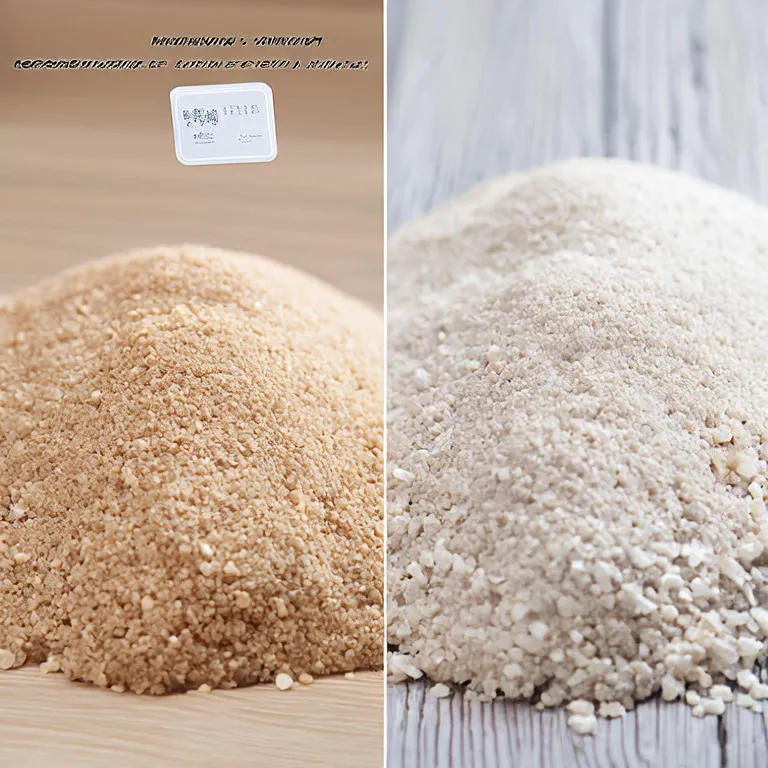
Texture: Observe whether your cat prefers finer textures or coarser granules. Research indicates that nearly 70% of cats favor finer, clumping litters, likely due to their natural instinct to dig and cover their waste (source: Journal of Veterinary Behavior).
Odor Control: Look for litter with strong odor-controlling properties. Many brands, such as {brandname}, offer formulations designed to neutralize smells effectively.
Dust Levels: If you or your cat have respiratory sensitivities, opt for low-dust, hypoallergenic options. This can significantly impact your cat’s comfort and well-being.
By paying attention to your cat\'s behavior and reactions, you can select a litter that meets their comfort and health needs.
Grasping the types of cat litter available will help you make an informed choice:
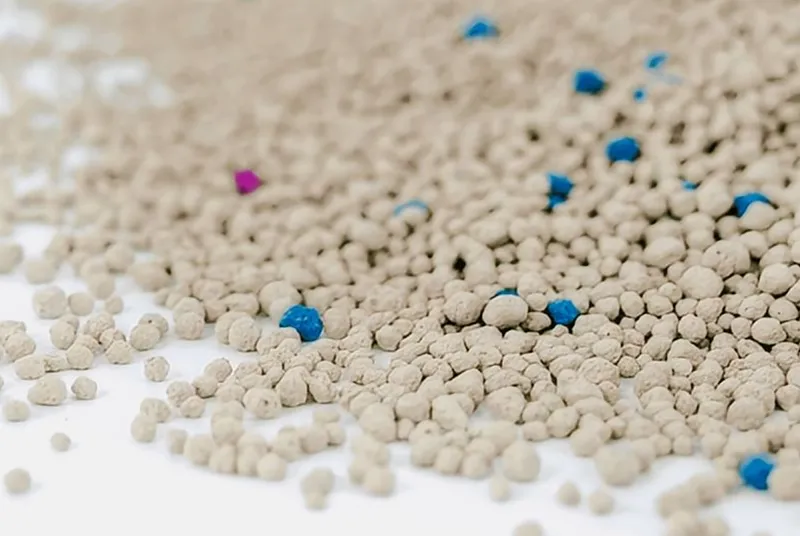
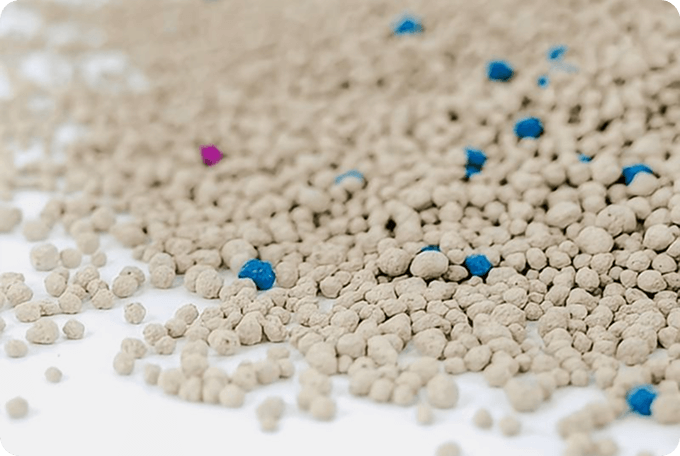
Clumping Clay Litter: This is the most common type. It forms solid clumps when wet and is easy to scoop.
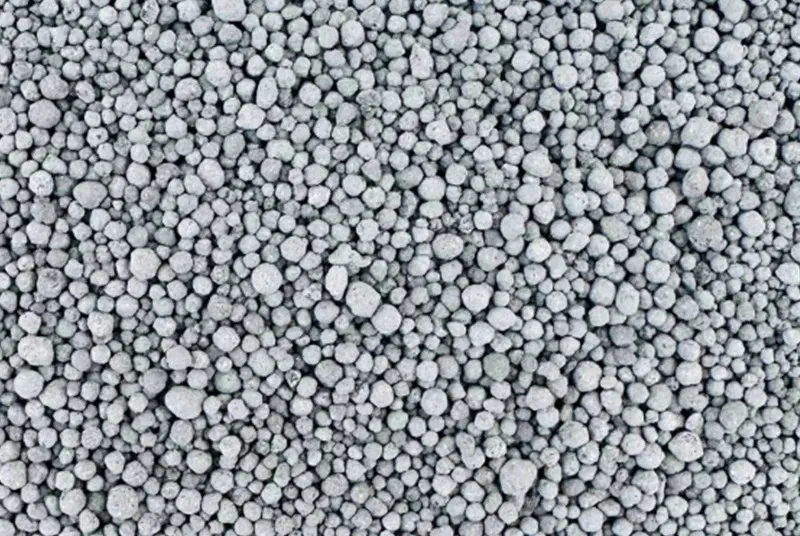
Non-Clumping Clay Litter: This absorbs moisture but does not clump. It requires more frequent changes.
Crystal Litter: Made from silica gel crystals, it absorbs moisture and controls odor.
Natural Litter: Made from wood, corn, wheat, or recycled paper, it\'s biodegradable and eco-friendly.
By evaluating these types based on your unique lifestyle and your cat’s habits, you will be equipped to make a sound decision.
Real-life experiences can profoundly influence your decision. For instance, I spoke with a cat owner who transitioned from traditional clay litter to a natural corn-based option from {brandname}. They reported immediate improvements in their cat\'s litter box behavior and noticed significantly less tracking around the house—an unexpected bonus!
Here’s a simple success strategy:
Despite your best intentions, you might face challenges during the transition, such as:
Refusal to Use the New Litter: If your cat shows resistance, revert to the previous litter temporarily while introducing the new one gradually through the method mentioned above.
Excessive Tracking: For litters that are prone to tracking, consider using a litter mat to catch stray granules.
Allergies and Sensitivities: Always monitor your cat closely for signs of allergic reactions, such as sneezing or excessive grooming, and consult your vet as needed.
To aid in making your purchase, consider online platforms that offer comparable charts and detailed reviews of litter products, like those found on Petcare\'s Litter website.
In conclusion, the journey to finding the right cat litter begins with understanding your cat’s needs and exploring the myriad options available. By thoroughly assessing factors like texture, odor control, dust levels, and personal preferences, you can select the ideal product for your feline friend.
As you move forward, remember the success stories shared and utilize the techniques provided to overcome potential hurdles. Equip yourself with knowledge, and don’t hesitate to conduct small tests to find the litter that best fits your life.
Now that you have a comprehensive guide at your fingertips, I encourage you to take the next step: after choosing a litter, observe your cat’s reaction and make adjustments as needed. Soon, you and your beloved pet will enjoy a harmonious and clean litter experience.
Latest Blog / Insights
Hot Products


Let’s Get Started on Your Cat Litter Journey.