Carbon Bentonite Cat Litter: Combining Clumping Performance and Odor Control
Oct. 30, 2026
Share:

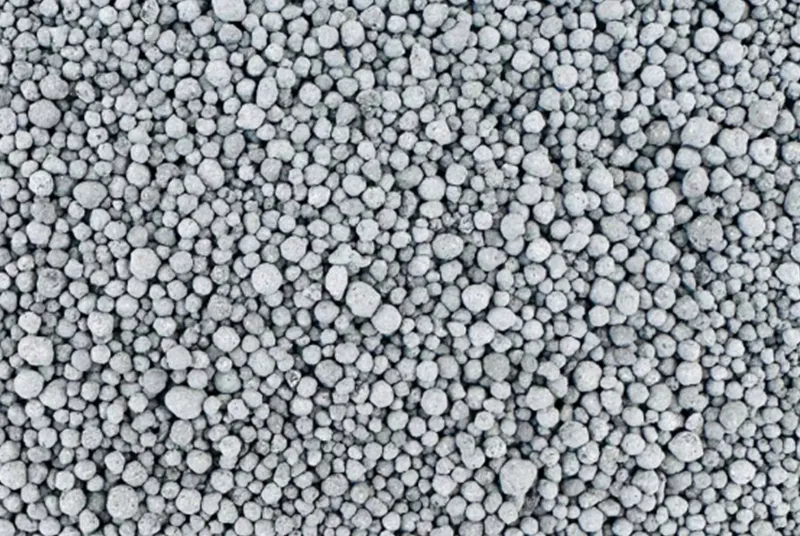
carbon bentonite cat litter combines fast clumping with odor control for a cleaner litter box. Activated carbon helps reduce ammonia odor, while sodium bentonite forms solid clumps around urine. Low dust litter is also important because cats and owners may breathe dust during pouring and digging.
Many cat owners want an unscented carbon cat litter that controls odor without adding a strong perfume. A multi-cat household creates more moisture and odor, so ordinary clay litter may need frequent replacement. Carbon bentonite litter uses the absorbent structure of bentonite and the porous surface of carbon to address both problems.
The main question is simple: can this type of litter absorb liquid quickly, form a scoopable clump, and keep the litter box fresh? The answer depends on the formula, particle size, carbon quality, and production controls.
Carbon bentonite cat litter can provide strong clumping performance and improved odor control when it uses well-graded sodium bentonite, active carbon with suitable pore structure, and controlled moisture. A practical product should form a firm clump within about 5 to 10 seconds, keep dust low, and pass routine checks for moisture, particle size, bulk density, odor absorption, and packaging strength. It is a useful option for single-cat and multi-cat homes, but users should still remove waste daily and keep the litter box dry and clean.
Sodium bentonite contains clay minerals that expand when they contact moisture. This creates a compact clump around urine. The user can remove the wet section without replacing all the litter.
Activated carbon has a porous surface. These pores can hold some odor compounds, including compounds linked to ammonia and organic waste. Carbon does not replace cleaning, but it can reduce the odor that remains between litter box changes.
Fine particles may absorb liquid quickly, but they can also create more dust. Large particles may reduce dust, but they can slow clump formation. A balanced product often uses a controlled particle range, such as 0.5 to 2.5 millimeters, with very fine dust screened out.
Good clumping litter should stay together during scooping. A weak clump breaks apart and leaves wet material behind. A practical quality target is a clump that remains mostly intact after lifting and a short drop test from about 15 to 20 centimeters.
Activated carbon supports odor absorption. This is useful for owners who prefer unscented carbon cat litter. Odor control is strongest when the litter box also has enough depth, good airflow, and regular waste removal.
Because the wet area becomes removable, users may discard less clean litter. The actual saving depends on cat habits, scoop size, litter depth, and cleaning frequency. A common starting depth is 6 to 8 centimeters.
More cats produce more urine and waste. Carbon bentonite litter for multi-cat homes can help manage odor between cleanings. However, even high-absorption litter requires daily scooping in a busy household.
Clumping clay litter does not require a major change in routine. Pour the litter into a clean box, remove solid waste daily, and top up the box when the level becomes low.
| Litter type | Clumping performance | Odor control method | Dust and tracking considerations | Typical user need |
|---|---|---|---|---|
| Carbon bentonite cat litter | Fast and firm when the bentonite grade is suitable | Activated carbon plus mineral absorption | Depends on particle grading and screening | Owners seeking clumping and odor control |
| Standard bentonite litter | Usually strong, depending on clay quality | Absorption and routine cleaning | May create dust if fines are not removed | Daily scooping at a lower product cost |
| Silica gel litter | Usually non-clumping or partially clumping | Moisture capture in silica pores | Granules can feel hard under a cat's paws | Longer use between full changes |
| Wood pellet litter | Often non-clumping | Plant fiber and moisture breakdown | Pellets may track less, but can break into sawdust | Owners who prefer plant-based materials |
| Paper litter | Usually non-clumping | Paper fiber absorbs moisture | Often low dust, with larger soft particles | Kittens, sensitive cats, or temporary use |
Ask whether the product forms a stable clump within 5 to 10 seconds. A simple test can use 50 milliliters of water poured onto a measured sample. The clump should be easy to lift after the stated waiting time.
Strong clumps reduce breakage during scooping. Testing can include a lift test, a 15 to 20 centimeter drop test, and a visual check for loose wet pieces.
Odor results depend on the amount and grade of carbon. A useful laboratory comparison can expose equal litter samples to a controlled ammonia concentration and measure the change with an ammonia sensor. Results should include test time, sample mass, airflow, temperature, and humidity.
Look for products that screen out fine particles during production. A dust target may be set at 1 percent or lower by mass, but the test method must be stated. Pouring and shaking tests can also show whether dust rises during normal use.
A balanced granule size can support absorption while limiting tracking. A common production target is 0.5 to 2.5 millimeters. The final range should match the product design and cat acceptance testing.
Excess moisture can reduce absorption and cause premature clumping inside the package. A practical quality target for finished clay litter is often 8 to 10 percent moisture or lower. A moisture analyzer or oven-drying method can verify the result.
Carbon bentonite cat litter should be evaluated as a complete product. Testing only one raw material does not show how the finished litter will perform. Petcare and other manufacturers can use a documented inspection plan for incoming minerals, carbon, finished granules, and sealed packages.
| Inspection item | Example target or method | Why it matters |
|---|---|---|
| Particle size | About 0.5 to 2.5 millimeters, checked with a sieve shaker | Controls absorption, tracking, and dust |
| Moisture content | Common target of 8 to 10 percent or lower, checked with a moisture analyzer | Supports storage stability and absorption |
| Bulk density | Example range of 0.75 to 0.95 grams per cubic centimeter | Influences package weight, pouring feel, and volume |
| Clump time | Target of 5 to 10 seconds with a fixed water volume | Shows how quickly the litter can be scooped |
| Clump strength | Lift test and controlled drop test | Shows resistance to breakage |
| Dust level | Mass-based screening or chamber test, with a defined limit | Supports cleaner pouring and better dust control |
| Odor adsorption | Controlled ammonia exposure with sensor readings over time | Provides a measurable odor control comparison |
| Package strength | Drop, seal, and compression checks based on the package format | Prevents leakage and moisture entry during transport |
There is no single universal test that defines every cat litter product. A responsible manufacturer should record the test method, sample size, test temperature, relative humidity, equipment calibration date, and acceptance limit. A quality system such as ISO 9001 can help organize these records, but the finished product still needs performance testing.
A useful development program compares several formula levels instead of choosing carbon content by appearance alone. For example, a laboratory team can prepare 12 trial batches using four carbon levels and three particle-size ranges. Each batch can receive at least three repeated clump tests and three odor tests.
The best formula should balance performance and cost. Too little carbon may provide limited odor improvement. Too much carbon can raise cost, change granule color, and reduce the amount of bentonite available for clumping. The final decision should use test results from both laboratory trials and real litter box use.
Some cats dislike a sudden change in texture or smell. Mix the new litter with the old litter over 5 to 7 days. Start with about 25 percent new litter and increase the amount every 1 to 2 days if the cat accepts it. Keep the box in the same quiet location during the transition.
Carbon bentonite cat litter should be produced from clean, tested raw materials. Buyers should review the package instructions and look for information about dust control, fragrance, additives, and safe handling. Cats may lick small amounts of litter from their paws, so manufacturers should control contamination during mining, processing, storage, and packaging.
Owners should avoid pouring litter near a cat's face and should provide ventilation during large-scale changes. If a cat shows coughing, breathing difficulty, vomiting, or unusual behavior after a litter change, stop using the product and contact a veterinarian.
As with all clumping clay litter, do not flush the product unless local wastewater guidance and the product label clearly allow it. Place used clumps in a sealed waste bag.
It may not be the best fit for every cat. Some cats prefer paper, wood, or silica textures. Senior cats may also need a softer surface or a lower box entrance. Cat acceptance remains an important part of product selection.
Carbon bentonite cat litter combines the liquid absorption of sodium bentonite with the odor absorption of activated carbon. Its main benefits are fast clumping, easier scooping, and support for odor control. Product quality depends on particle size, moisture, carbon performance, dust screening, and production consistency.
For the best results, choose a product with clear testing data, use enough litter to form complete clumps, scoop every day, and keep the box dry. When these conditions are met, carbon bentonite cat litter can offer a practical balance of clumping performance and odor control for both single-cat and multi-cat homes.
Latest Blog / Insights
Hot Products


Let’s Get Started on Your Cat Litter Journey.