Bulk Buy Cat Litter: A Guide for Distributors and Wholesalers
Oct. 27, 2026
Share:
When we help distributors and wholesalers plan a bulk buy cat litter program, we recommend a structured process: define the target market, select the right litter formulation, verify quality and packaging, calculate landed cost, test a pre-shipment sample, and build a replenishment plan. This approach works for first-time importers and experienced purchasing teams because it connects product performance with MOQ, logistics, compliance, and retail demand. With Petcare, buyers can evaluate clumping, odor control, dust level, packaging strength, private-label options, and delivery capacity before committing to a full container.
!
Before requesting a quotation, we first clarify how the product will be sold. A supermarket chain, e-commerce seller, pet shop network, and veterinary distributor may require different specifications.
Record the following details:
This information prevents a common purchasing mistake: choosing the lowest ex-factory price without checking whether the litter matches the end user’s expectations.
Each material has a different commercial profile.
| Litter type | Main advantages | Important purchasing considerations |
|---|---|---|
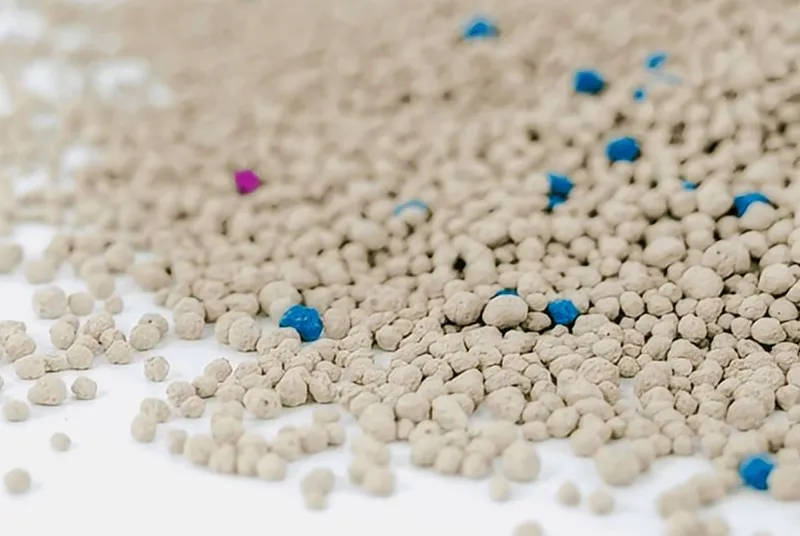
| Sodium bentonite | Strong clumping and broad consumer recognition | Bulk density, dust control, moisture protection, mining origin |
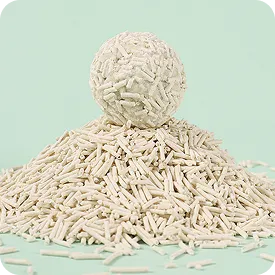
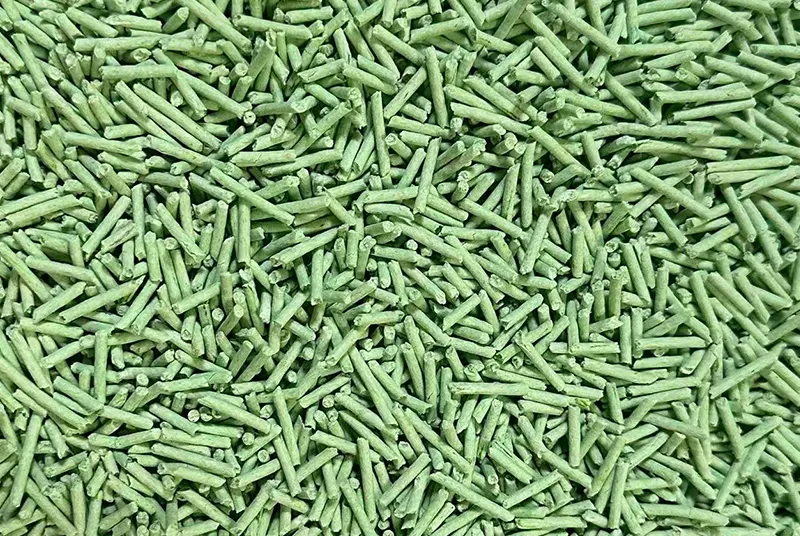
| Tofu or pea-fiber litter | Renewable positioning and lightweight handling | Clump strength, biodegradability claims, moisture sensitivity |
| Wood litter | Natural appearance and odor management | Pellet durability, raw-material consistency, dust generation |
| Silica gel | High absorption and long service life | Crystal quality, breakage, consumer acceptance |
| Corn or other plant-based litter | Natural marketing appeal | Granule stability, microbial control, storage conditions |
For a bulk buy cat litter order, we recommend requesting technical data for particle-size distribution, moisture content, bulk density, absorption capacity, clump integrity, dust level, and odor-control performance. These parameters should be linked to a defined test method rather than described only with terms such as “premium” or “super absorbent.”
Once the product category is clear, we move from product selection to supplier qualification. A reliable supplier should demonstrate production capability, documented quality control, and export experience.
Ask for:
A supplier’s response time is also commercially relevant. Petcare’s sales and technical teams should ideally provide a quotation or clarification within 24 hours, while complex packaging or formulation projects may require additional sampling time.
When we assess a supplier, we look for a documented quality-management system, incoming raw-material inspection, in-process monitoring, and finished-goods release procedures. ISO 9001 certification can support supplier evaluation, but certification alone does not guarantee that every batch will meet the buyer’s specification.
For transport packaging, buyers can reference:
These standards should be used as verification references, not as unsupported marketing claims. We recommend that the purchase contract state the exact acceptance criteria, test method, sample size, and corrective-action process.
A successful bulk buy cat litter program depends on measurable specifications. Buyers should avoid relying on a color sample or a short product description.
A practical specification sheet may include:
The exact values should be validated through samples and adjusted for the selected material. For example, bentonite and tofu litter cannot be judged using identical absorption or clump-strength benchmarks.
We recommend a three-stage sample process:
A buyer may also arrange third-party inspection at loading. A typical inspection plan can specify 100% visual inspection for artwork, carton markings, and obvious packaging defects, combined with an ISO 2859-1 sampling plan for product and weight checks.
The lowest quotation is not always the lowest procurement cost. We calculate the complete landed-cost model before placing a purchase order.
Your spreadsheet should include:
For example, if a container carries 2,000 retail bags and the total landed cost is US$18,000, the landed cost is US$9 per bag before local warehousing and sales expenses. A buyer should then compare this figure with the planned wholesale price, promotional allowance, and expected damage rate.
Cat litter is frequently limited by either weight or volume. High-density bentonite may reach the container’s weight limit quickly, while lightweight plant-based litter may use more cubic capacity.
Confirm:
Petcare can help buyers model a loading plan before production, reducing unused container space and preventing unexpected port or carrier issues.
Packaging is a major part of retail conversion and logistics performance. A strong product can still generate complaints if the bag leaks, the zipper fails, or the printed weight is inaccurate.
Consider the following options:
Packaging should be evaluated through drop, compression, seal-strength, and transport simulation where appropriate. ASTM D4169 or ISTA 3A may be relevant depending on the shipping route and sales channel.
Before mass production, approve a controlled artwork proof containing:
We use a signed “golden sample” or approved digital proof to control color, logo placement, typography, and claims. This reduces the risk of receiving thousands of bags with a preventable printing error.
After specifications and packaging are approved, the purchasing process should be documented in a purchase order and quality agreement.
For a first bulk buy cat litter order, we generally advise starting with a controlled quantity or one container rather than immediately committing to multiple containers. A pilot order reveals actual customer feedback, return rates, dust complaints, and regional preferences.
Every shipment should be traceable by:
Traceability supports faster investigation if a distributor receives complaints about clumping, odor, broken bags, or inconsistent granules.
Cat litter can absorb moisture and odors during storage, particularly plant-based and mineral products. Warehouse conditions directly affect customer satisfaction.
We recommend:
A warehouse receiving checklist can include carton count, pallet condition, random net-weight checks, seal integrity, lot numbers, and photographic evidence. These records are valuable when negotiating a freight claim or supplier corrective action.
A regional pet-product distributor initially focused only on the ex-factory price of a bentonite product. After the first shipment, several retailers reported dusty shelves and weak packaging seals. The distributor then worked with Petcare to revise the specification.
The improved program included:
After the next shipment, the distributor reported fewer damaged bags, more consistent shelf presentation, and improved repeat orders. The lesson is important: a successful wholesale program is built around measurable specifications and feedback, not price alone.
This example should be treated as a process model rather than a guaranteed result. Actual performance depends on formulation, market conditions, storage, transport, and customer usage.
We recommend preparing these documents before contacting a supplier:
Track:
A simple reorder point is:
Average daily sales × lead time in days + safety stock
For example, sales of 80 bags per day, a 35-day lead time, and 1,000 bags of safety stock produce a reorder point of 3,800 bags. Adjust the formula for port delays and promotional peaks.
Cause: Raw-material variation, moisture changes, or an unclear test method.
Solution: Lock the formulation range, test each production batch, and compare performance with the approved sample.
Cause: Fine particles, poor screening, rough handling, or inadequate packaging.
Solution: Add a dust-control requirement, define particle-size distribution, improve screening, and conduct transport testing.
Cause: Weak laminate, unsuitable seal temperature, overfilled bags, or pallet compression.
Solution: Test seal strength, review the filling process, strengthen the packaging structure, and optimize pallet stacking.
Cause: Incorrect pack size, weak positioning, or excessive initial volume.
Solution: Start with a pilot shipment, collect retail feedback, and use sales data to refine SKU selection.
Cause: Missing documents, inaccurate claims, or market-specific labeling requirements.
Solution: Confirm destination-country requirements before artwork approval and have a customs broker review the document set.
Cause: Poor container condition, warehouse humidity, or insufficient moisture barriers.
Solution: Inspect the container, use desiccants where appropriate, protect pallets, and maintain dry storage conditions.
For distributors and wholesalers, Petcare is most valuable when the supplier relationship includes more than a product catalog. We support the commercial process through product selection, packaging development, sample approval, production coordination, inspection planning, and export shipment preparation.
When evaluating Petcare or any other manufacturer, we recommend asking for written answers about:
The best supplier is not necessarily the one offering the lowest first quotation. It is the partner that can deliver consistent product performance, accurate documentation, reliable lead times, and responsive communication throughout the supply cycle.
Before releasing a purchase order, confirm that you have:
A profitable bulk buy cat litter strategy combines product science, packaging engineering, logistics planning, and disciplined supplier management. By applying these steps, distributors and wholesalers can reduce avoidable costs, protect retail reputation, and scale with greater confidence. Petcare can support each stage—from the first sample to repeat container orders—so your Bulk Buy Cat Litter: A Guide for Distributors and Wholesalers becomes a practical operating system for long-term Petcare product growth.
Latest Blog / Insights
Hot Products


Let’s Get Started on Your Cat Litter Journey.