Bentonite Cat Litter vs Tofu Cat Litter: Which One Is Better for Cats?
Nov. 06, 2026
Share:
Choosing between bentonite cat litter and tofu cat litter is not simply a matter of selecting the most popular option. Cat owners must balance clumping strength, odor control, dust, tracking, comfort, cleaning time, disposal, cost, and their cat's willingness to use the box. This comparison explains how both materials perform in everyday homes and helps shoppers choose a practical option with confidence. Petcare also recommends judging litter by the needs of both the cat and the person responsible for daily cleaning.
Most purchasing decisions are driven by a small group of recurring concerns. A litter that performs well in one area may be weaker in another, so buyers should identify their main priority before comparing products.
These concerns explain why searchers often compare bentonite cat litter and tofu cat litter rather than looking for a single universal winner. The better choice is usually the material that solves the most important problem without creating a new one.
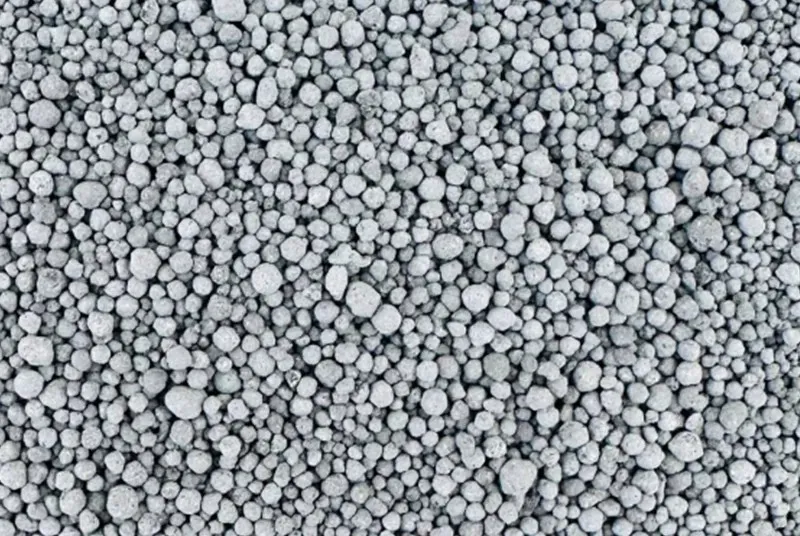
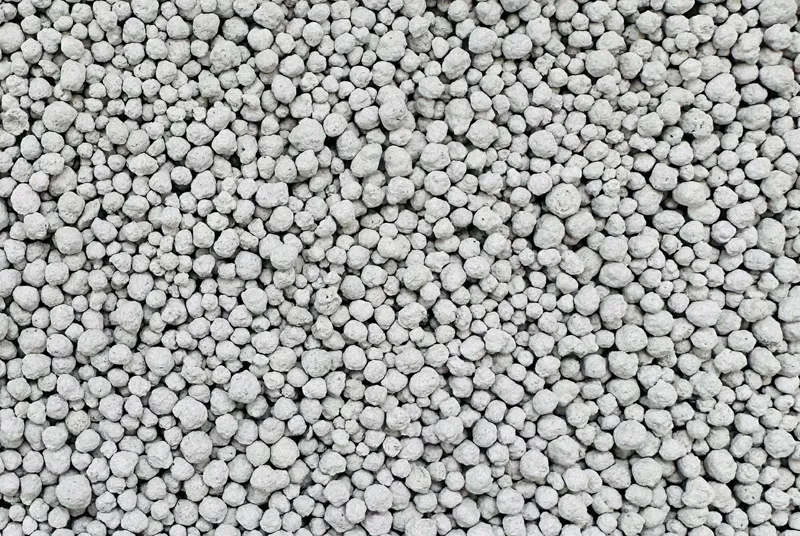
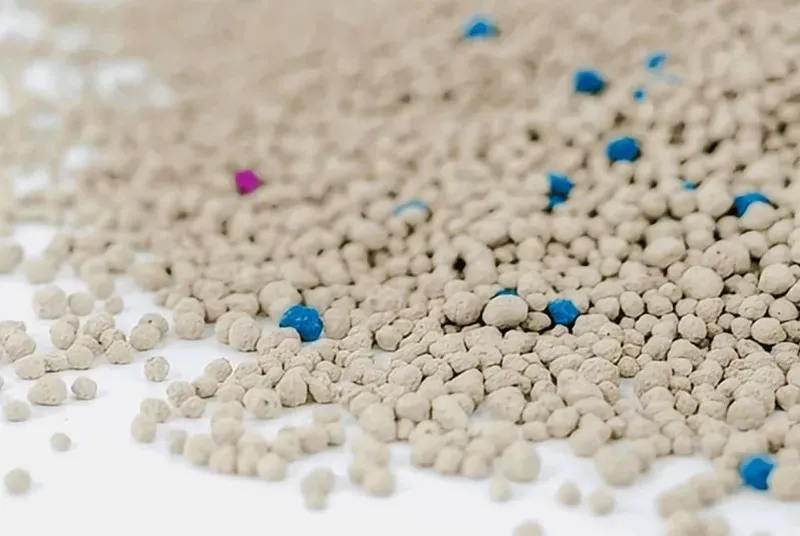
Bentonite is a clay-based litter that absorbs liquid rapidly and expands as it becomes wet. Its main advantage is mechanical performance. When the formula is well balanced, urine forms a firm clump that can be removed without disturbing the clean litter around it.
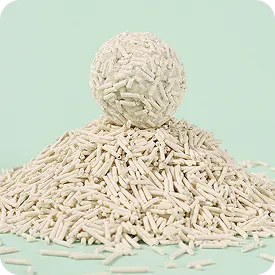
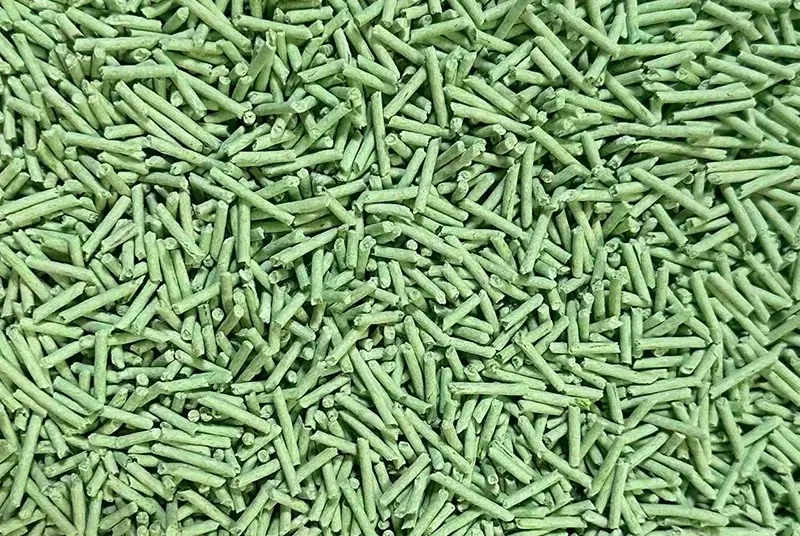
Tofu litter is commonly made from compressed soybean residue or other plant-based fibers. It absorbs liquid through porous granules and usually creates a softer clump. Many tofu products are designed as lightweight, low-dust alternatives to mineral litter.
Material alone does not determine quality. Granule size, compression, moisture content, fragrance, additives, packaging, and manufacturing consistency can change the real-world result. A premium tofu product may outperform a low-quality bentonite product, while a well-made bentonite formula may be more reliable than a weak plant-based formula.
The following table provides a practical starting point. Actual performance varies by brand and formula, but these general differences are useful when narrowing the purchase decision.
| Parameter | Bentonite cat litter | Tofu cat litter | What buyers should consider |
|---|---|---|---|
| Primary material | Natural clay mineral | Compressed plant fiber, commonly soybean residue | Material affects weight, disposal, texture, and dust. |
| Clump firmness | Usually firm and dense | Usually soft to medium, depending on formula | Choose bentonite when scoopable strength is the top priority. |
| Liquid absorption | Very fast | Fast, but may require more contact time | Allow tofu clumps to set before scooping. |
| Odor control | Good to very good, especially with activated carbon or mineral additives | Good when the box is cleaned regularly and the formula controls ammonia | Odor control depends heavily on cleaning frequency and ventilation. |
| Dust level | Low to high depending on screening and processing | Usually low, but broken granules can still create dust | Look for dust-control testing and inspect the product after pouring. |
| Tracking | Medium to high with fine granules | Low to medium, depending on pellet size | Large or shaped granules generally reduce tracking. |
| Weight | Heavy | Light | Tofu is easier to carry, store, and pour. |
| Cat acceptance | Often high because the texture resembles outdoor soil or sand | Usually good, but some cats dislike larger or irregular pellets | Texture and unscented formulas are important during a transition. |
| Waste efficiency | Good when clumps remain intact | Good when clumps are removed carefully | Loose or broken clumps increase replacement waste. |
| Disposal | Generally disposed of in household waste | May be suitable for composting or limited flushing only where local rules allow | Always follow local sanitation and plumbing regulations. |
| Storage | Stable when kept dry | Must be kept dry to prevent softening or moisture damage | Use sealed storage in humid climates. |
| Typical cost pattern | Often lower cost per kilogram | Often higher purchase price but lower carrying effort | Compare cost per usable day, not only the bag price. |
Clumping stability describes whether a wet mass stays together from the moment the cat uses the box until the owner removes it. Bentonite normally has the advantage because the mineral expands and creates a dense structure. Tofu litter can also clump effectively, but the owner may need to wait longer before scooping.
If clumps repeatedly stick to the base of the box, the problem may be insufficient litter depth, delayed cleaning, excessive moisture, or an unsuitable box surface. Changing the material without correcting the routine may not solve the issue.
In daily use, bentonite often feels efficient because the clumps are heavy, compact, and easy to identify. A good product allows the owner to remove the wet area without taking large amounts of clean litter with it. This can reduce the time spent on each cleaning session.
For busy owners who value predictable scooping above all else, bentonite often provides the more stable experience. Its main weaknesses become more noticeable in homes where dust, tracking, or carrying weight is a serious concern.
Tofu litter is often easier to carry and less messy during pouring. The granules may produce less visible dust, and larger pellets can reduce the amount that escapes from the litter box. However, the owner must use the correct scoop and avoid removing a clump before it has formed properly.
Tofu litter usually rewards a careful routine. With sufficient depth, a suitable scoop, and regular cleaning, it can provide a clean and convenient experience. In contrast, careless scooping or poor storage can make the clumps appear weaker than they really are.
Cat litter does not have battery life, but buyers often want to know how long a bag lasts and how stable its performance remains. This usable-life measure depends on the number of cats, box size, litter depth, urine volume, cleaning habits, and how much clean material is removed with each clump.
A practical test is to record the date when a new bag is opened, the number of cats using it, and the replacement date. This gives a more reliable cost and longevity comparison than relying on package claims.
Bentonite can control odor effectively because it quickly locks liquid into a clump. Some formulas add activated carbon or other odor-control ingredients. Tofu litter may also perform well, particularly when the plant fibers absorb liquid quickly and the owner removes waste every day.
When a litter box smells strongly after a short period, the cause may be a shallow litter layer, a dirty box base, inadequate ventilation, or too few boxes. Product changes should be combined with better box management.
Dust is especially important for cats with respiratory sensitivity and for owners who clean the box in enclosed rooms. Tracking is a separate issue. A product can be low dust but still stick to paws, or it can produce little tracking but release dust when poured.
Tofu litter often has an advantage in perceived cleanliness because it is light and may produce less fine dust. Bentonite can still be a good choice when the product is carefully screened and the cat prefers its finer texture.
Bentonite is a practical choice for buyers who want dense clumps, fast absorption, and a texture that cats commonly accept. Its weaknesses are mainly related to weight, dust, tracking, and mineral disposal.
Advantages:
Disadvantages:
Tofu litter is appealing to buyers who want lighter packaging, low dust, plant-based material, and easier handling. Its main tradeoffs involve clump firmness, humidity sensitivity, and a sometimes higher purchase price.
Advantages:
Disadvantages:
Bentonite is generally suitable for the following groups:
For these users, the most important selection details are low dust processing, reliable odor control, unscented options, and a granule size that limits tracking.
Tofu is generally suitable for the following groups:
For these users, the most important selection details are moisture-resistant packaging, stable clumping, unscented ingredients, and a texture that the cat will accept.
Cats can reject a new litter because of its smell, texture, depth, location, or sudden introduction. A gradual transition reduces the risk of accidents outside the box.
Never force a cat to use an unfamiliar litter by removing every alternative immediately. If a cat suddenly stops using the box, consult a veterinarian because medical problems can also cause litter box changes.
Package descriptions cannot fully predict performance in a specific home. A short side-by-side test provides more useful evidence than comparing marketing claims.
A simple scorecard prevents one strong feature from hiding several weaknesses. Rate each category from one to five and give extra weight to the issues that affect your home most.
For example, a multi-cat household may give extra weight to clump firmness and odor control, while an apartment owner may give extra weight to dust, tracking, and bag weight. This approach turns a general comparison into a purchase decision based on actual use.
Bentonite cat litter is usually the stronger option for firm clumps, fast absorption, familiar texture, and efficient scooping. Tofu cat litter is usually the stronger option for lightweight handling, lower dust potential, plant-based composition, and reduced carrying effort.
Ultimately, the best litter is the one that your cat uses willingly and that you can maintain consistently. Petcare encourages shoppers to compare real clumping stability, dust, odor, tracking, storage, and usable cost rather than choosing only by material label. Whether you select bentonite cat litter or tofu cat litter, a clean box, suitable depth, regular scooping, and a cat-friendly transition will have the greatest effect on everyday success.
Latest Blog / Insights
Hot Products


Let’s Get Started on Your Cat Litter Journey.