Ball shaped bentonite cat litter is made for cat owners and distributors who want fast clumping, easier cleaning, and less litter spread around the home. In most products, sodium bentonite absorbs liquid and forms a firm ball that can be removed quickly. Its round granules can also support a smoother paw feel and more even pouring. As a clumping cat litter, it helps keep clean granules in the tray after daily scooping. The right particle size can improve absorption, reduce waste, and help control odor. Good odor control, low tracking, and stable quality are key buying points for overseas customers.
This guide explains the structure, performance, applications, and purchasing points of ball shaped bentonite cat litter. It also compares ball shaped litter with common crushed or irregular granules. The information is designed for pet product distributors, supermarket buyers, e-commerce sellers, and private label brands.

1. What Is Ball Shaped Bentonite Cat Litter?
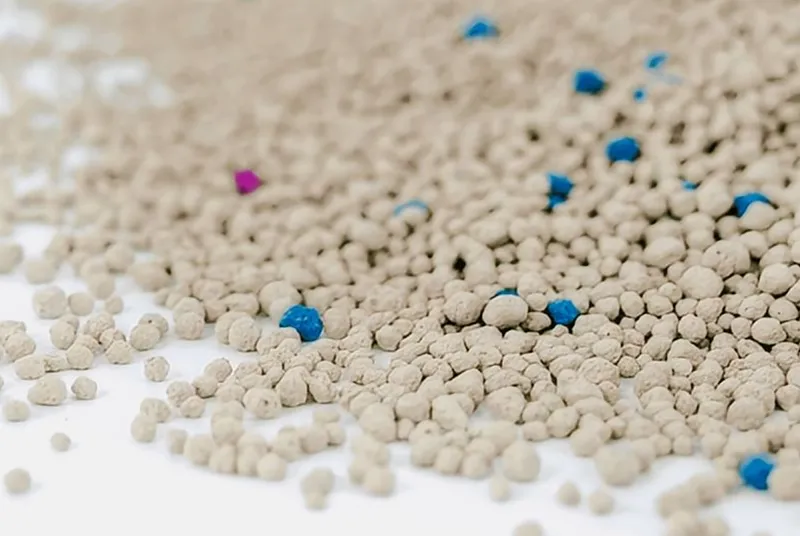
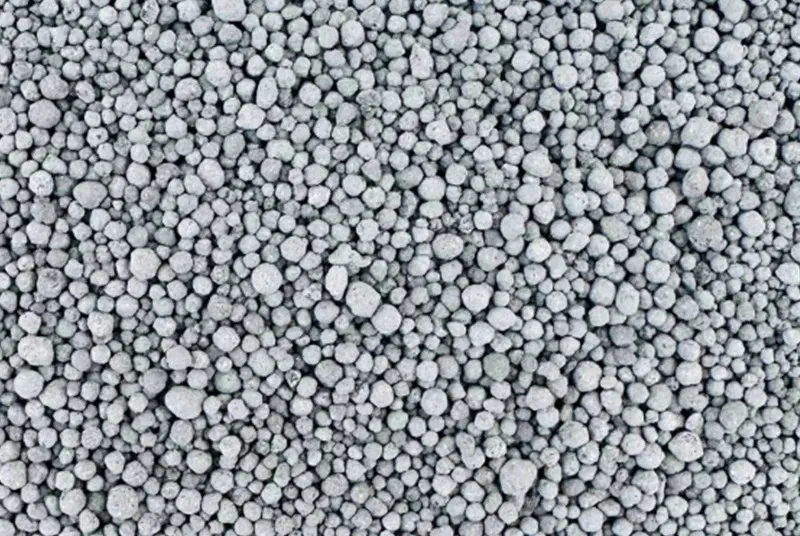
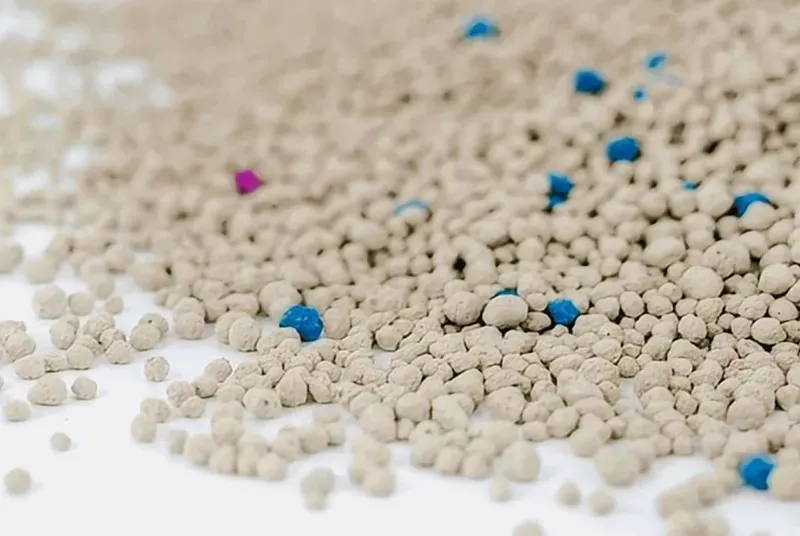
Ball shaped bentonite cat litter is a mineral cat litter made from bentonite clay that has been processed into rounded or near-rounded granules. The granules are usually screened into selected sizes, dried, and packaged for retail or bulk distribution.
Bentonite contains clay minerals that can absorb liquid. When urine reaches the granules, the clay expands and binds the wet area. With a suitable formula, the wet material forms a compact ball instead of spreading through the whole tray.
How the granules work
The round shape creates consistent contact between the granules and liquid. This can help the litter absorb evenly and make the clump easier to scoop. The final result depends on more than shape. Mineral quality, granule size, moisture level, dust removal, and packing strength also affect performance.
Common product formats
- Unscented ball shaped bentonite for sensitive cats and simple product lines.
- Scented products with floral, fresh, or natural fragrance options.
- Standard clumping litter for single-cat households.
- Low dust or extra dust-screened litter for indoor use.
- Multi-cat formulas with stronger absorption and odor management.
- Private label products packed in bags, boxes, or buckets.
2. What Are the Main Features?
1. Rounded granules
A ball shaped granule has fewer sharp edges than an irregular crushed particle. This may create a softer feeling under a cat's paws and a more regular flow when the litter is poured. Round granules can also reduce the chance of large particles becoming caught between the toes.
2. Fast liquid absorption
High-quality bentonite can absorb liquid within a short time. Fast absorption keeps moisture closer to the surface, where it can be removed during scooping. Buyers should request laboratory or production test data instead of relying only on words such as premium or super absorbent.
3. Firm clump formation
A firm clump reduces breakage during cleaning. When a clump breaks apart, wet particles may remain in the tray and create an odor problem. Clump strength should be tested after a suitable waiting period, such as 5 to 10 minutes, because immediate scooping may not show the final result.
4. Controlled dust level
Dust is a major concern for cats, owners, retailers, and warehouse workers. Screening and dedusting can remove fine particles before packing. A buyer should ask how dust is measured, which screen is used, and whether the result is checked from finished bags rather than only from raw clay.
5. Low tracking potential
Tracking occurs when particles stick to paws or move out of the tray. A suitable ball size, smooth surface, and correct moisture level can help lower tracking. A litter mat placed outside the tray can further reduce the amount carried into living areas.
6. Flexible fragrance options
Some buyers prefer unscented litter, while others want fragrance for retail differentiation. Petcare can develop unscented and scented options according to the target market. Fragrance should not hide poor mineral quality, and the scent should remain acceptable to both cats and people.
7. Bulk and private label flexibility
Overseas distributors often need different bag weights, artwork, languages, and pallet plans. A professional supplier can support product selection, packaging confirmation, quality inspection, and shipment preparation. These services are important when the same product will be sold in several countries.
3. What Benefits Do Cats, Owners, and Distributors Get?
Benefits for cats
Rounded granules can provide a more regular surface than sharp, broken particles. Many cats also prefer a clean tray with a familiar texture. A low-dust formula may make the tray more comfortable, especially in small indoor rooms. However, every cat has its own preference, so gradual product changes are recommended.
Benefits for cat owners
The main benefit is simpler daily cleaning. Owners can remove the wet ball and solid waste without replacing the whole tray every day. This helps save unused litter and keeps the tray cleaner. Firm clumps and effective odor control are especially useful for homes with two or more cats.
Benefits for retailers and importers
Ball shaped bentonite cat litter has clear selling points that are easy to explain on a product page: fast clumping, rounded granules, lower tracking, and simple maintenance. A stable product specification also makes it easier to manage repeat orders, customer reviews, and private label packaging.
Benefits for distributors
Distributors can build several product levels from one mineral category. For example, a basic line may use standard granules and plain packaging. A premium line may add tighter dust control, selected particle size, fragrance choices, and stronger packaging. This creates options for different retail prices.
4. How Does Ball Shaped Litter Compare With Other Types?
The best choice depends on the buyer's priorities. Clay type, granule design, dust treatment, packing quality, and price all influence the final result. The table below gives a practical comparison.
| Product type | Clumping performance | Dust control potential | Tracking potential | Common application |
|---|---|---|---|---|
| Ball shaped bentonite | Fast and firm when properly processed | Medium to high after screening | Low to medium, depending on size | Retail, private label, multi-cat homes |
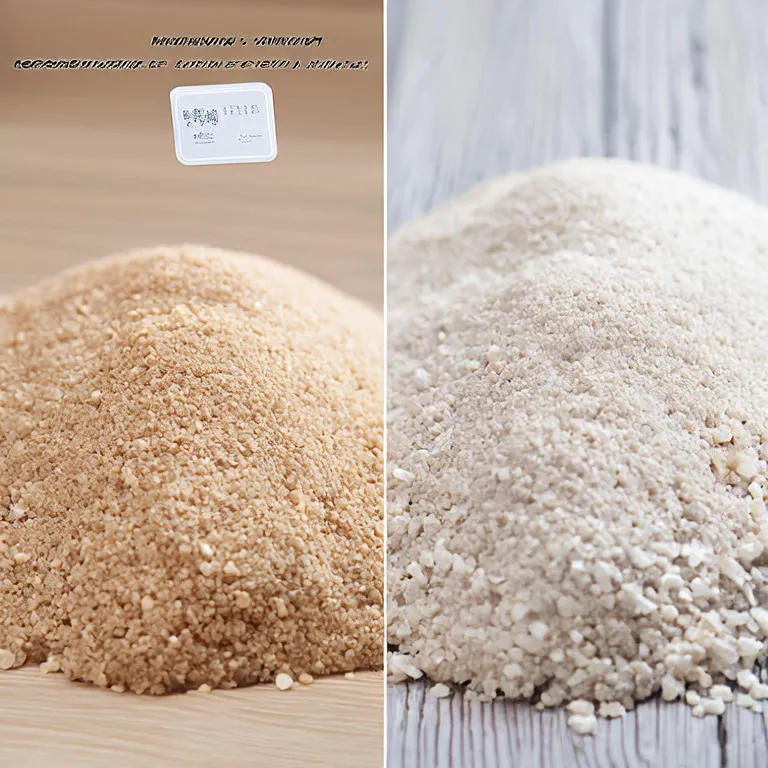
| Irregular bentonite granules | Good, but may break if quality is uneven | Medium | Medium to high | Value products and basic retail lines |
| Non-clumping clay | Does not form removable clumps | Varies by processing | Medium | Low-cost or specific user needs |
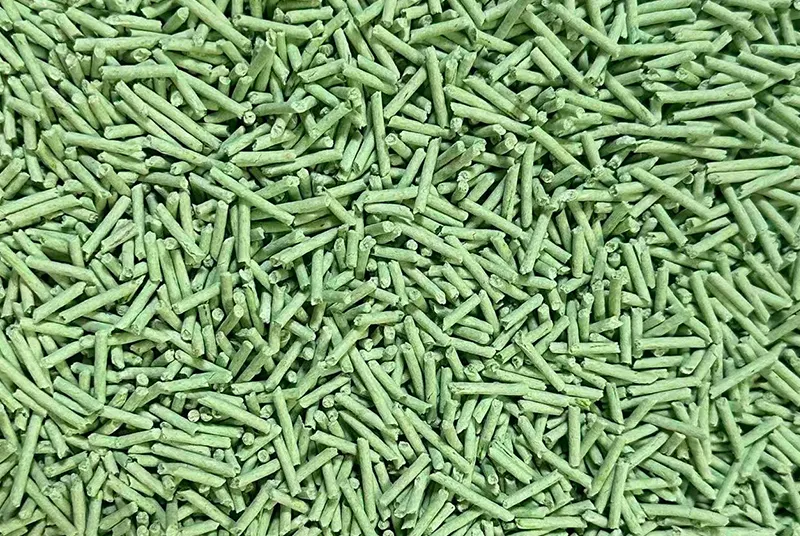
| Tofu cat litter | Usually clumps with plant-based material | Often low, depending on formula | Low to medium | Plant-based product ranges |
| Wood or paper litter | Varies; some products do not clump | Often low | Low to medium | Natural material product lines |
Ball shaped bentonite is often selected when the buyer wants a balance between strong clumping, mineral absorption, affordable cost, and broad market acceptance. It is not automatically better in every situation. Product testing should match the retailer's target customer and local regulations.
5. How Should Users Apply It in a Cat Tray?
Correct use improves absorption and reduces waste. The following process can be printed on a package or used as customer guidance.
Step-by-step use flow
- Clean and dry the empty litter tray.
- Pour in an even layer of approximately 5 to 8 centimeters.
- Place the tray in a quiet and easy-to-reach area.
- Remove solid waste and wet clumps at least once each day.
- Add fresh litter to keep the depth close to the original level.
- Stir the clean granules gently when needed.
- Wash and fully dry the tray before a complete litter replacement.
The exact depth depends on the tray, cat size, and number of cats. A deeper layer can give liquid more space to bind before it reaches the tray base. Scooping too early may break a forming clump, while waiting too long can allow odor to develop.
How to change from another litter
- Mix a small amount of the new litter with the current litter.
- Increase the new litter gradually over several days.
- Keep the tray in the same familiar location.
- Watch for changes in use, tracking, and waste texture.
- Complete the change when the cat accepts the new granules.
6. Which Applications Are Suitable for This Product?
Home use
Ball shaped bentonite is suitable for indoor homes, apartments, and small living spaces where easy cleaning matters. Low tracking can help keep floors cleaner, while odor control supports daily use in rooms with limited ventilation.
Multi-cat households
Multi-cat homes need frequent clump removal and good absorption. A stronger clumping formula can reduce wet areas and help maintain tray hygiene. Buyers should select a suitable package size because high-use households consume more litter each month.
Pet stores and supermarkets
The product can be sold in different weights, such as 5 liters, 10 liters, 15 liters, or larger bags. Store buyers can use package color, granule images, fragrance information, and clear performance claims to separate basic and premium product lines.
Online pet supply stores
Online shoppers want clear answers about dust, clumping time, granule size, fragrance, weight, and delivery packaging. Product photos should show the rounded granules and the bag label. Reviews often focus on tracking, odor, and whether clumps break during scooping.
Hotels, shelters, and breeders
Organizations that care for several cats may choose bulk packaging to control cost and reduce packing waste. They should also check handling convenience, pallet stability, storage humidity, and regular supply capacity before placing a long-term order.
7. How Can Overseas Buyers Select a Reliable Product?
Request a complete specification
A useful specification should include granule size, moisture content, dust level, absorption performance, clump strength, fragrance type, package weight, and shelf storage guidance. The buyer should also confirm whether the specification applies to every shipment or only to a sample.
Check the right quality points
| Quality point | Why it matters | Buyer question |
|---|---|---|
| Granule size | Influences paw feel, tracking, and absorption speed | What size range is controlled during screening? |
| Dust level | Influences user comfort and product reviews | How is dust tested after packing? |
| Clump strength | Influences cleaning and litter waste | How long should the clump set before scooping? |
| Moisture | Influences storage life and performance | What moisture range is accepted before shipment? |
| Packaging | Protects the product during ocean or truck transport | Is the bag suitable for the planned logistics route? |
| Batch consistency | Supports repeat sales and fewer complaints | How are production batches compared with approved samples? |
Confirm packaging and shipping details
Packaging should resist tearing, moisture, and pressure during transport. Buyers should confirm bag material, sealing method, printing colors, carton use, pallet loading, container quantity, and shipping marks. A trial order can help verify actual transport performance before a large purchase.
Consider local customer preferences
Some markets prefer unscented litter because cats or owners may be sensitive to fragrance. Other markets respond well to fresh scents and premium package design. Particle size, bag weight, language, certification needs, and retail price should be selected for the intended country rather than copied from another market.
8. What Makes Petcare a Practical Supplier Choice?
Petcare focuses on bentonite cat litter for international customers, including distributors, retailers, and private label buyers. The company can discuss ball shaped granules, dust control, fragrance selection, packaging formats, and production requirements based on the buyer's market.
A practical cooperation process begins with a product brief. The buyer provides the target market, package weight, preferred granule size, fragrance choice, expected order quantity, and delivery destination. Petcare can then help confirm a suitable product direction and arrange sample evaluation.
Typical order process
- Share the target market and product requirements.
- Review available ball shaped bentonite specifications.
- Confirm samples, packaging design, and label information.
- Test absorption, clumping, dust, fragrance, and tracking performance.
- Approve the final specification and packing plan.
- Arrange production, inspection, and shipment preparation.
This process helps reduce misunderstandings between a manufacturer and an overseas buyer. It also creates a clear reference for repeat orders and quality checks.
9. Frequently Asked Questions
Is ball shaped bentonite cat litter safe for everyday use?
Bentonite cat litter is widely used for everyday tray management. The finished product should be produced, screened, packed, and labeled according to applicable market requirements. Users should avoid placing litter near food and should wash their hands after cleaning the tray.
Does ball shaped litter create less dust?
The shape alone does not guarantee low dust. Dust level depends on raw clay, crushing, screening, drying, dedusting, and packing. A properly processed product can have lower visible dust, but buyers should request test results from finished goods.
Does rounded litter reduce tracking?
It can help reduce tracking when the granules have a suitable size and surface. Tracking also depends on the cat, tray design, litter depth, and distance to the floor. A litter mat can provide additional control.
How often should the litter be replaced?
Users should remove waste daily and add fresh granules when the level drops. A complete replacement is normally needed when the tray has a persistent odor, a wet base, or too much fine material. The timing depends on the number of cats and the tray size.
Can Petcare provide private label ball shaped litter?
Private label options can be discussed according to order quantity, package format, artwork, fragrance, granule size, and destination market. Buyers should confirm the full specification and packaging details before production.
Conclusion: Is Ball Shaped Bentonite Cat Litter Right for Your Market?
Ball shaped bentonite cat litter is a practical option for buyers seeking fast absorption, firm clumps, manageable tracking, and simple tray cleaning. Its commercial value comes from the combination of rounded granules, bentonite performance, controlled dust, fragrance flexibility, and scalable packaging.
For the best result, do not judge the product by appearance alone. Compare absorption, clump strength, dust, moisture, particle size, packaging, and batch consistency. If you are sourcing for a retail chain, distributor network, or private label brand, Petcare can help develop a specification for your target market.