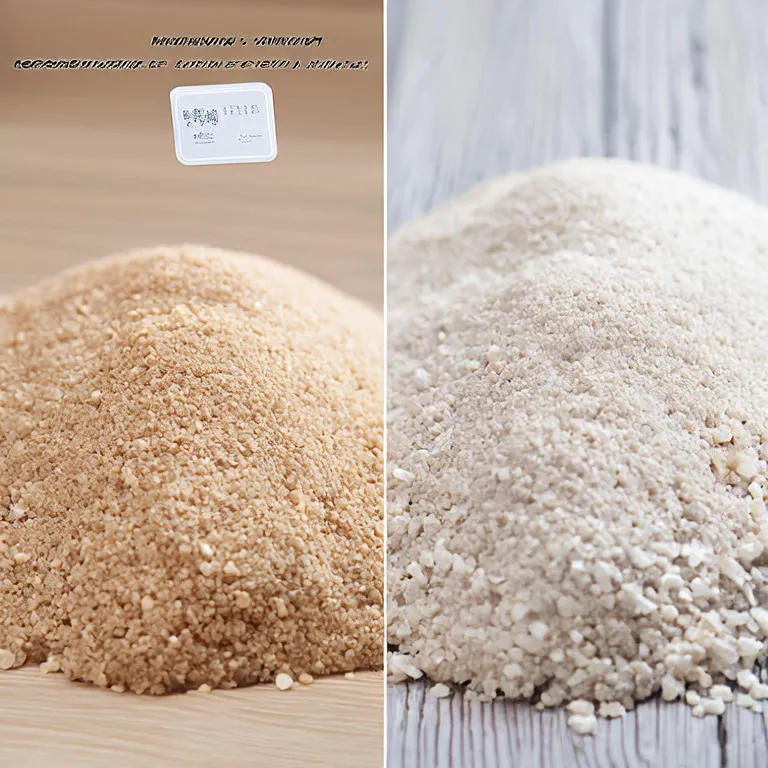
Activated Charcoal Kitty Litter vs Regular Cat Litter
Oct. 08, 2026
Share:
When cat owners search for activated charcoal kitty litter versus regular cat litter, they usually want more than a basic product definition. They want to know which litter controls odor longer, creates less dust, tracks less around the home, remains safe for cats, and offers better value over time. They also want practical guidance for apartments, multi-cat households, kittens, senior cats, and cats with sensitive paws or respiratory conditions.
Petcare understands that the best litter is not determined by one ingredient alone. The right choice depends on odor control, moisture handling, cleaning habits, cat preferences, household size, and the type of litter box being used.

Odor is usually the first reason people compare activated charcoal kitty litter with regular cat litter. Shoppers want to know whether activated charcoal removes unpleasant smells or merely covers them with fragrance.
Activated charcoal can adsorb some odor molecules because of its porous structure. It is most useful when the litter also absorbs moisture quickly and when waste is removed regularly. However, charcoal does not replace daily scooping, adequate ventilation, or a clean litter box.
Regular cat litter may control odor through clumping, mineral absorption, plant fibers, baking soda, fragrance, or other additives. Its performance can vary widely because regular cat litter is a broad category rather than one specific formula.
Many buyers are trying to reduce the time spent scooping, sweeping, and replacing litter. They want to know whether activated charcoal litter forms firm clumps, stays dry under the surface, and prevents wet litter from sticking to the bottom of the box.
The most convenient product is usually one that allows the owner to remove urine clumps and feces without discarding large amounts of clean litter. A litter that breaks apart during scooping may create more waste even if its odor control is strong.
Safety questions are especially important for kittens, senior cats, cats with respiratory sensitivity, and households with children. Buyers commonly look for low dust, limited fragrance, non-toxic ingredients, comfortable texture, and clear disposal instructions.
Activated charcoal in a cat litter formula is not the same as a cat eating a large amount of loose activated charcoal. Even so, owners should prevent cats from ingesting litter and should follow the product label. A new litter should be introduced gradually if the cat is cautious about changes.
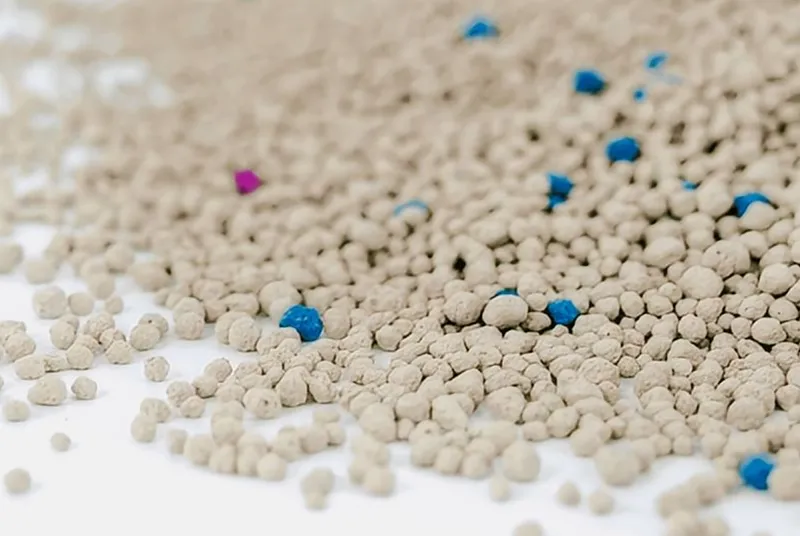
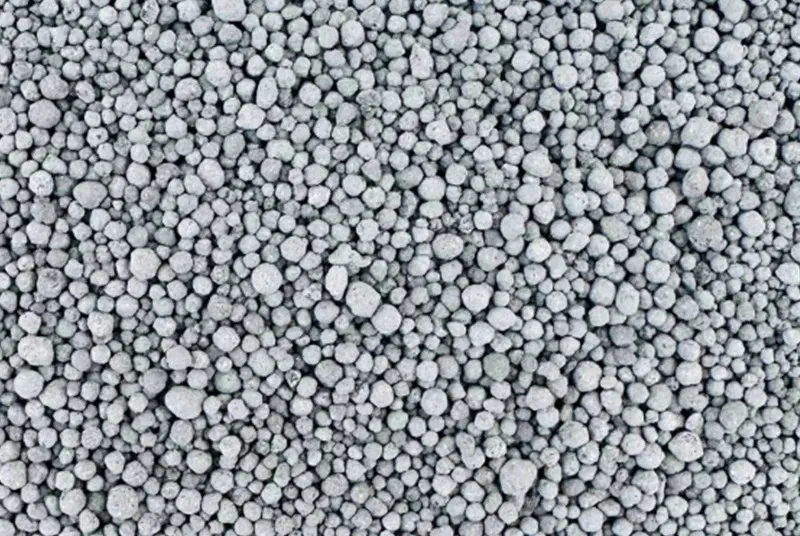
Activated charcoal is processed to create a network of small pores. These pores can trap or hold certain odor compounds. This gives charcoal litter a useful advantage in enclosed rooms, small apartments, and homes where the litter box is close to living areas.
Its performance depends on the amount and distribution of charcoal in the formula. A small amount of charcoal may provide limited benefit, while a balanced formula can help reduce odor between cleaning sessions. Moisture absorption and clump strength still matter because damp, exposed waste can smell even when charcoal is present.
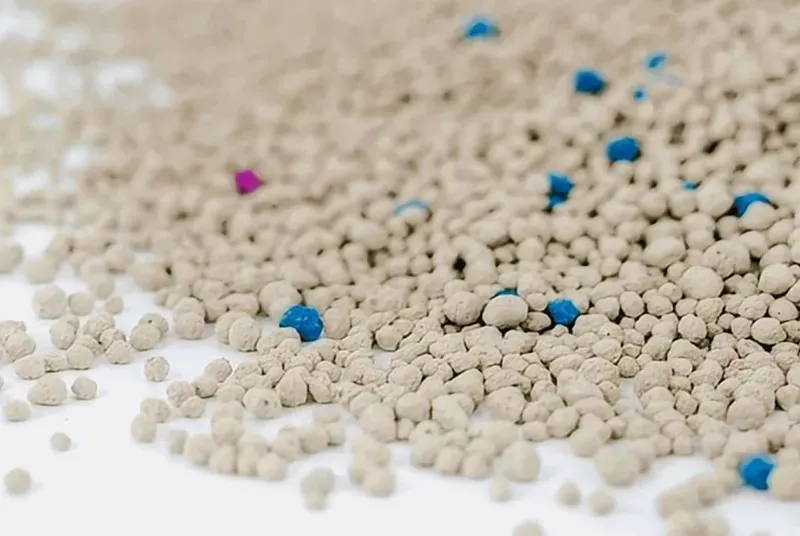
Regular cat litter can include clay, silica, paper, wood, corn, wheat, grass, or other materials. Some products absorb liquid without forming clumps. Others form clumps that allow owners to remove waste efficiently. Fragranced options may make a room smell cleaner, but strong fragrance can be unpleasant for some cats and people.
Regular litter is not automatically less effective. A well-made unscented clumping litter may perform better than a poorly formulated charcoal product. The practical comparison should focus on the full formula rather than the word charcoal on the package.
Regardless of the formula, odor control is affected by the owner's routine.
For that reason, activated charcoal kitty litter is best viewed as an odor management tool rather than a substitute for cleaning.
| Parameter | Activated charcoal kitty litter | Regular cat litter | What it means for the buyer |
|---|---|---|---|
| Primary odor method | Adsorption of some odor molecules, usually combined with absorption or clumping | Absorption, clumping, mineral control, plant fibers, baking soda, fragrance, or other methods | Charcoal may be helpful in odor-sensitive homes, but the entire formula matters |
| Odor performance | Often strong when waste is covered quickly and removed regularly | Ranges from basic to strong depending on the material and formulation | Compare real odor control rather than relying only on product claims |
| Clumping | May form firm clumps if based on clumping clay or another clumping material | May be clumping or non-clumping | Firm clumps usually reduce cleaning time and litter waste |
| Moisture handling | Depends on the carrier material and charcoal distribution | Depends on whether the product uses clay, silica, paper, wood, or another material | Fast absorption helps prevent wet surfaces and bottom sticking |
| Dust level | Can be low dust, but charcoal does not automatically guarantee low dust | Can range from very low to dusty | Look for dust-control testing or observe the product during pouring and scooping |
| Tracking | Depends on granule size, shape, and surface texture | Depends on the material and granule design | Large, rounded, or low-static granules may reduce tracking |
| Fragrance | May be unscented or combined with fragrance | May be unscented or fragranced | Unscented formulas are often preferable for sensitive cats |
| Cat acceptance | Usually depends on texture, scent, and transition method rather than charcoal itself | Varies widely by texture, smell, and the cat's previous experience | Choose a texture the cat already tolerates when possible |
| Replacement frequency | Depends on clump removal, moisture control, and household size | Depends on the product type and cleaning schedule | Calculate cost by usable days, not only by package price |
| Battery life | Not applicable to the litter itself | Not applicable to the litter itself | Battery life matters only when the litter is used with a powered self-cleaning litter box |
| System stability | Can support stable operation when granules are compatible with the litter box | Performance varies according to dust, clumping speed, and granule size | Check whether the litter sticks to rakes, screens, or sensors in automatic boxes |
A low-cost bag may not be economical if it creates weak clumps, absorbs slowly, or requires frequent full replacement. A higher-priced charcoal formula may provide better value if it reduces waste and allows the owner to keep the litter box fresher for longer.
To estimate practical cost, consider the following:
Most cats prefer a familiar texture. If a regular litter has been used for a long time, replacing it suddenly with a different charcoal formula may cause avoidance or accidents outside the box.
A gradual transition is usually more reliable:
In daily use, a strong clump should remain intact when lifted. It should not dissolve into wet granules that fall back into the box. Activated charcoal can improve odor management, but it cannot compensate for poor clump formation.
During testing at home, observe whether the product:
Dust is most noticeable when litter is poured, when a cat digs, and when clumps are broken during scooping. Tracking is most noticeable on floors between the litter box and the rest of the home.
Charcoal does not determine dust or tracking by itself. The carrier material, particle size, manufacturing process, and packaging condition have greater influence. A litter mat placed outside the box can catch some granules, but it cannot solve excessive dust from the product.
Battery life belongs to the automatic litter box rather than the litter. If a powered system is used, the litter can still affect how reliably that system operates.
For automatic litter boxes, evaluate these practical points:
A compatible charcoal formula may help reduce odor around an automatic box, but an incompatible granule size can cause jams, incomplete cleaning, or unnecessary waste. Always test a small amount before changing the entire system.
Therefore, regular cat litter is not one uniform alternative. A premium unscented clumping product and a basic non-clumping product may produce completely different experiences.
Activated charcoal kitty litter may be a practical choice for people who live in apartments, keep the litter box near common areas, or spend long periods away from home. It is also worth considering for multi-cat households where several boxes create a greater odor management challenge.
These buyers should still focus on the complete formula, because charcoal works best when the litter absorbs liquid quickly and allows waste to be removed cleanly.
Owners with full work schedules may value a litter that keeps odors controlled between cleaning sessions. A clumping charcoal formula can be particularly convenient when it produces firm, easy-to-remove clumps.
However, no litter should be treated as a solution for leaving a box uncleaned for several days. Cats may reject a dirty box even when the room smells acceptable to people.
Cats with respiratory sensitivity may do better with a low-dust, unscented formula. The presence of charcoal does not guarantee that the product will be comfortable for every cat.
Owners should check the ingredient list, avoid strong fragrance when possible, pour litter slowly, and monitor signs such as sneezing, coughing, watery eyes, or litter box avoidance. A veterinarian should be consulted if symptoms continue.
Automatic litter box owners should select a formula that matches the machine's recommended material and granule size. The most important factors are clump timing, screen clearance, dust control, and resistance to sticking.
Test the litter for several cleaning cycles before purchasing a large supply. A product that controls odor well but causes rakes, screens, or sensors to malfunction may create more inconvenience than it solves.
A home trial is more informative than a package description. For seven to fourteen days, record the following observations:
After the trial, compare the results with the previous litter. This approach reveals whether the charcoal addition creates a meaningful improvement in the particular home.
Owners can score each product from one to five in the categories that matter most:
A product with a slightly higher price may be the better choice if it scores higher in the categories that create the most daily frustration.
Activated charcoal kitty litter is a strong candidate for households that need additional odor support without depending entirely on heavy fragrance. It is especially reasonable for apartment residents, multi-cat homes, and litter boxes located close to living spaces.
The best results are likely when the product also provides firm clumping, fast moisture absorption, low dust, and a texture accepted by the cat.
Regular cat litter may be the better choice when the cat has a strong texture preference, when the owner needs a specific material, or when a low-cost and simple formula is the priority. It can also be preferable when the owner wants a non-clumping paper, wood, or plant-based product.
In this category, shoppers should compare individual formulas rather than assuming all regular litter performs the same way.
The litter box, scoop, mat, ventilation, cleaning schedule, number of cats, and litter depth all influence the final result. A high-performing litter cannot overcome an undersized box, insufficient litter boxes, or irregular waste removal.
The most reliable setup combines a cat-approved texture with effective moisture control, consistent scooping, and a box location that is quiet, accessible, and well ventilated.
In the final comparison, activated charcoal kitty litter is most valuable when odor control is a daily concern and the formula delivers strong clumping and low-dust performance. Regular cat litter remains a flexible option with many material, texture, and price choices. Petcare recommends comparing real-use results, cat acceptance, cleaning effort, and total monthly cost before making a long-term switch.
Latest Blog / Insights
Hot Products


Let’s Get Started on Your Cat Litter Journey.