A Deep Dive into Clay Based Cat Litter: Pros and Cons for Owners
Jan. 22, 2026
Share:
As cat owners, choosing the right litter type is crucial for both your feline companion and your living environment. Clay-based cat litter is one of the most popular choices on the market, often praised for its absorbency and odor control. However, potential environmental concerns and health implications raise questions for conscientious pet owners. This article provides an in-depth evaluation of clay litter by exploring its advantages, disadvantages, and suitability for different pet owner scenarios.
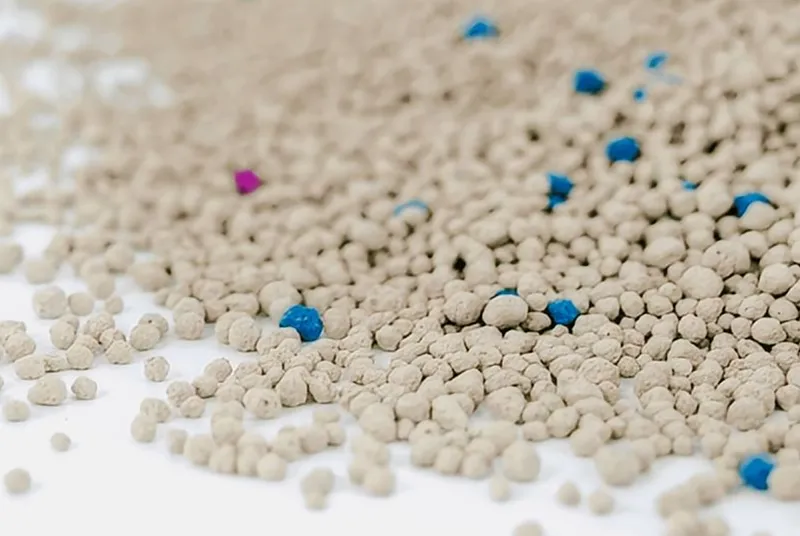
Clay-based cat litter is primarily made from either sodium bentonite or clumping clay. Its popularity stems from several key benefits:
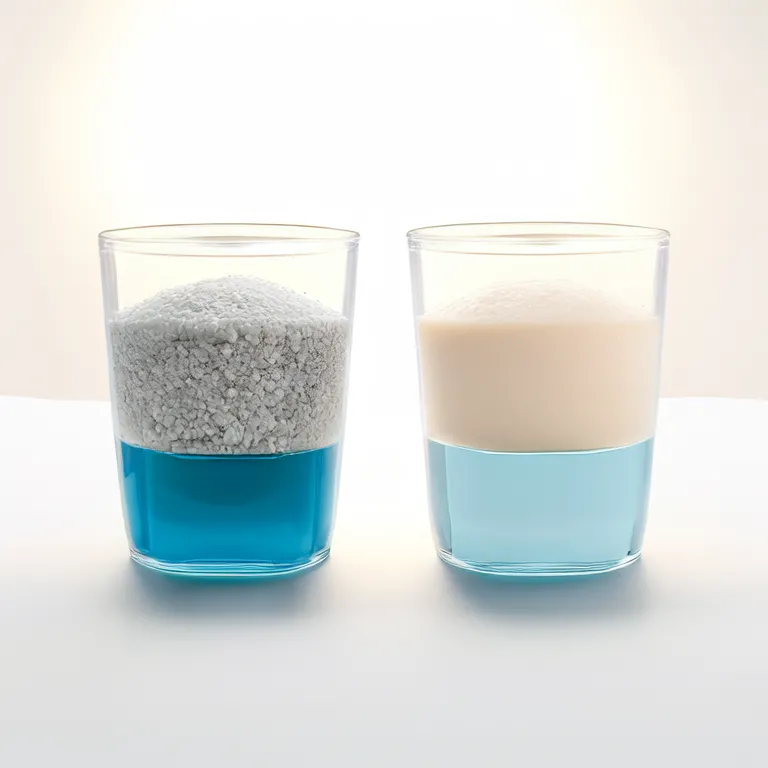
Exceptional Absorbency: Tests show that clumping clay litter can absorb up to 30 times its weight in moisture, making it highly efficient for controlling odors and keeping your cat\'s litter box dry.
Odor Control: Studies indicate that clay litter can reduce ammonia odors by as much as 75%, which can enhance the overall air quality in your home. This is particularly important in multi-cat households.
Cost-Effectiveness: On average, clay-based litter costs about $0.15 to $0.30 per pound, making it a budget-friendly option for cat owners.
For instance, brands like Petcare have developed specialized clay litters that surpass typical absorption rates, highlighting the effectiveness of high-quality clumping clay litter in real-world scenarios.
While there are plenty of advantages, it\'s essential to consider the drawbacks associated with clay-based cat litter:
Environmental Concerns: Clay mining can significantly impact ecosystems. Brands like Petcare are aware of this and have started offering eco-friendly options, yet traditional clay litter still has a substantial environmental footprint.
Health Risks: Some clays contain silica dust, which can pose respiratory risks to both cats and humans. Studies have found that prolonged exposure to silica dust can lead to lung problems. Users are encouraged to opt for low-dust formulations when available.
Weight: Clay cat litter can be quite heavy, exceeding 20 pounds per bag, which can be cumbersome for some pet owners to lift and pour.
Owners can avoid some of these issues by transitioning to eco-friendly brands or selecting alternative litter materials that are less harmful.
Deciding whether clay-based cat litter is suitable for you depends largely on your specific circumstances as a pet owner. Those who prioritize odor control and clumping ability may find significant benefits in using this type of litter. However, environmentally conscious consumers and those concerned about respiratory health might consider seeking alternatives or blended options. Ultimately, it\'s a matter of balancing the needs of your pet with your values as a consumer.
In summary, clay-based cat litter holds advantages like superior moisture absorption and cost-effectiveness but poses environmental and health risks that cannot be ignored. It is particularly suitable for pet owners who require effective odor control and don't mind the ecological implications. For eco-conscious consumers, exploring brands like Petcare\'s sustainable product lines could be a beneficial alternative.
Clay-based cat litter is known for its excellent absorbency, effective odor control, and cost efficiency, making it appealing for many cat owners.
Yes, certain types of clay litter can contain silica dust, which poses respiratory risks. Low-dust options are recommended for safety.
While clay litter may provide superior absorbency and odor control, alternatives like biodegradable litters may offer environmental benefits and reduced health risks.
Latest Blog / Insights
Hot Products


Let’s Get Started on Your Cat Litter Journey.